
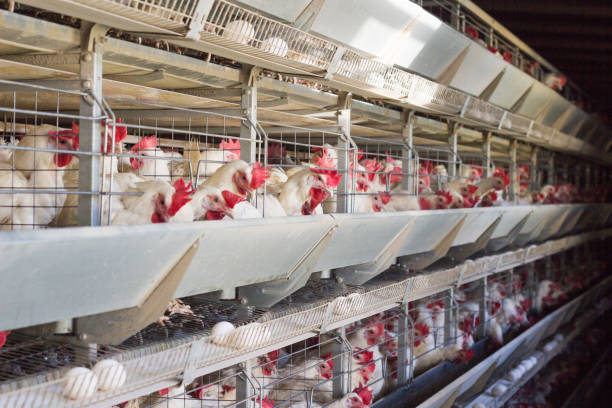
30000 Chicken Cage System for Egg Production
30000 Chicken Cage System for Egg Production
When it comes to large-scale egg farming, one of the most critical decisions you’ll make is choosing the right housing system. A 30,000 chicken cage system for egg production isn’t just about stacking cages—it’s about creating an efficient, sustainable, and high-yield environment that supports both bird welfare and business profitability. At Zhengzhou Livi Machinery Manufacturing Co., Ltd., we’ve spent over a decade perfecting poultry equipment solutions tailored to commercial farms worldwide. Whether you’re upgrading your current facility or starting from scratch, this guide will walk you through what makes a 30K-layer system work—and how to design one that brings consistent returns.
Why a Full-Line Layer Cage System Makes Sense at This Scale
Managing 30,000 laying hens manually? Not practical. That’s where a fully automated cage system turns chaos into order. Traditional floor rearing might seem cost-effective initially, but when you factor in labor, feed wastage, disease risk, and inconsistent egg collection—the numbers start tipping in favor of enclosed multi-tiered systems.
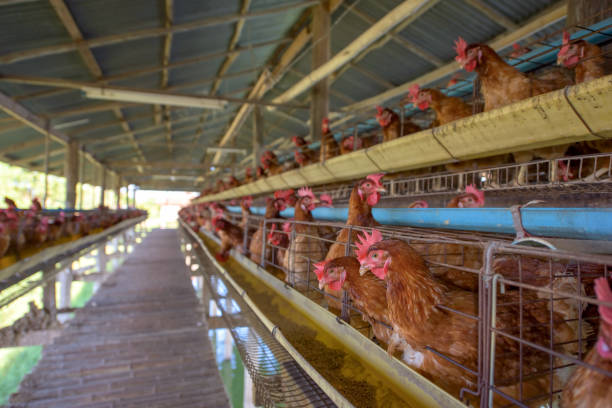
A well-designed 30,000 chicken cage setup allows vertical space utilization, which means more birds per square meter without compromising airflow or cleanliness. Our modular designs can be customized based on your building dimensions—whether it’s 120m x 18m or adjusted for different regional layouts. With three to four tiers of cages running across dozens of lines, automation handles feeding, watering, manure removal, egg collection, and even climate control—all reducing human intervention and stress on the birds.
More importantly, such systems support uniform growth and consistent peak production. Hens placed in controlled environments tend to reach maturity faster, start laying earlier (around 16–18 weeks), and maintain a lay rate above 90% during peak months. When managed properly, a full-cycle flock in a modern cage house can give you over 320 eggs per hen annually. Multiply that by 30,000 birds—you’re looking at nearly 10 million eggs a year. That kind of output demands precision engineering, and that’s exactly what our systems deliver.
Key Components of a High-Performance 30K Egg Farm Setup
So, what actually goes into a complete 30,000 chicken cage system? Let’s break down the core components that make up a turnkey solution:
Feeding system – We install chain-driven or pan-line feeders that distribute feed evenly across all levels multiple times a day. These are adjustable and minimize waste, ensuring each bird gets balanced nutrition. The feeder can be linked with timers or controlled via smartphone apps so you don’t have to be on-site to monitor feeding schedules.
Drinking system – A closed nipple饮水 line keeps water clean and prevents spillage. Fresh water flows constantly, and filters ensure no biofilm buildup. Proper hydration directly affects laying performance—birds that drink well eat better and lay consistently.
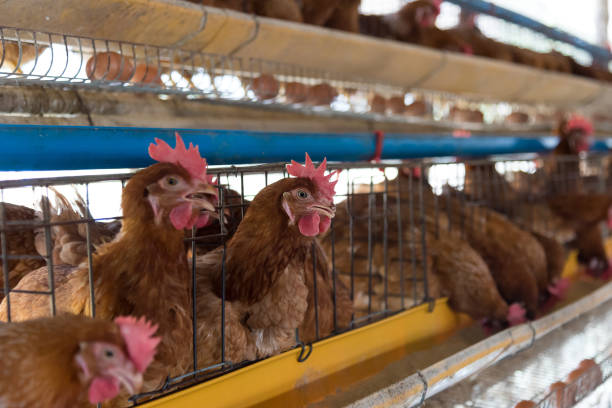
Egg collection belt – Eggs roll gently onto conveyor belts installed under each cage tier. Belts run daily (or multiple times a day) to prevent breakage and reduce floor eggs. From there, they’re transported to a central packing station. Some farms integrate grading machines later, but even basic belt systems dramatically cut labor costs and contamination risks.
Manure removal system – Built-in scraper belts or auger systems remove droppings every 1–2 days, depending on your management style. Dry manure is easier to handle, less smelly, and safer for respiratory health—both for workers and birds. It also creates valuable organic fertilizer as a side revenue stream.
Ventilation & climate control – Large houses need tunnel ventilation with cooling pads, exhaust fans, and circulation fans. Winter setups may include sidewall inlets and heaters. Sensors track temperature, humidity, and ammonia levels, triggering automatic responses to keep conditions optimal. Happy hens in stable climates = steady egg production.
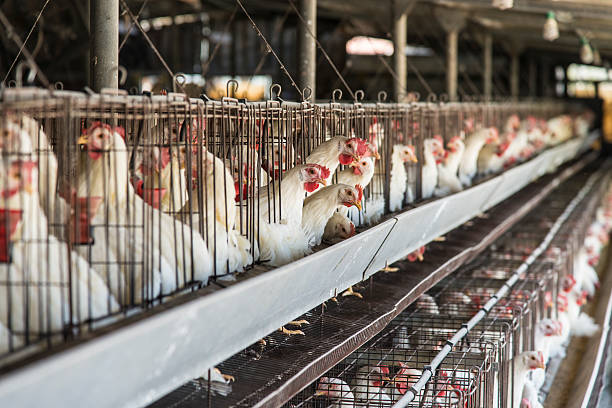
Cage structure itself – Made from hot-dipped galvanized steel, our cages resist rust and last over 15 years. Each cage holds 4–6 birds (depending on local standards), with sloped floors directing eggs forward safely. Dimensions follow animal welfare guidelines while maximizing density. Custom partitions, anti-pecking features, and nesting zones are included as needed.
All these parts work together as a network. You can monitor key metrics remotely if you choose smart integration options. And because everything is pre-engineered, installation time drops significantly—most projects get up and running within 4–6 weeks after delivery.
Real-World Benefits: What Farmers Like You Are Seeing
We’ve supplied full systems to farms in Kenya, Pakistan, Uzbekistan, Nigeria, and Vietnam—with similar results. One farmer in Punjab reported increasing his average cycle production from 72% to 91% within six months of switching to our cage setup. Labor costs dropped by almost half. Another customer in Ghana used the saved labor hours to expand broiler operations simultaneously.
The return on investment becomes clear once you run the numbers:
Feed conversion improved due to targeted feeding
Mortality rates dropped below 5% thanks to better air quality and disease control
Fewer broken eggs mean higher marketable yield
Less foot traffic reduces pathogen spread
Automation enables a single worker to manage thousands of birds effectively
And let’s not forget scalability. Today’s 30K system can easily become 50K or 80K with additional rows or phased expansions. Modular design means no major overhaul—just plug-and-play upgrades.
But beyond profits, many customers tell us their peace of mind has increased. They sleep better knowing alerts come to their phone if something goes wrong. They feel confident showing regulators their biosecurity logs. They take pride in delivering safe, high-quality eggs consistently.
Start Building Your Future Egg Farm Today
If you’re considering a 30,000 chicken cage system for egg production—or expanding your current setup—we’d love to help. At Livi Machinery, we don’t just sell equipment; we partner with farmers from site planning to final handover. Our team offers free layout drawings, capacity simulations, material estimates, and even assistance with import paperwork if shipping overseas.
Every farm is unique, so cookie-cutter solutions won’t cut it. Share your barn size, location, target breed (Hy-Line, Hisex, etc.), and preferred automation level—and we’ll craft a detailed proposal tailored to your goals. Get in touch today with your contact info and project details, and we’ll send you a full breakdown—including pricing, timeline, and recommended configurations.