
Kienyeji Chicken Cost in Kenya – Livi Machinery
Kienyeji Chicken Cost in Kenya – Affordable, Smart Solutions from Livi Machinery
If you’re exploring the world of Kienyeji chicken farming in Kenya, one of the first questions on your mind is likely: how much does it really cost to start and run a profitable Kienyeji chicken project? The good news is that with the right insights and support, this type of poultry farming can be both affordable and highly rewarding. At Livi Machinery, we’ve worked with hundreds of small-scale and commercial farmers across East Africa to build sustainable Kienyeji ventures — and we know exactly what goes into the costs, challenges, and smart solutions.
In this guide, we’ll walk you through all the essential cost factors involved in Kienyeji chicken farming, from initial setup to long-term management. More importantly, we’ll show you how using high-quality, intelligent equipment from Livi Machinery not only reduces hidden expenses but also increases productivity and flock health. Whether you’re starting small or scaling up, understanding these numbers could be the difference between breaking even and building real profit.
What Makes Up the Real Cost of Kienyeji Chicken Farming?
Let’s break down the actual expenses you’ll face when setting up a Kienyeji chicken farm in Kenya. Many people assume it’s cheap because local birds are hardy and require less intensive care than hybrids, but there’s more beneath the surface. Here’s a clearer picture:
First, you have chick acquisition. A day-old Kienyeji chick typically costs between KSh 150 and KSh 300 depending on the breeder, region, and genetics. For a starter flock of 200 chicks, that’s already between KSh 30,000 and KSh 60,000. High-performing bloodlines may cost even more — but they often bring better egg production and disease resistance, which affects long-term returns.
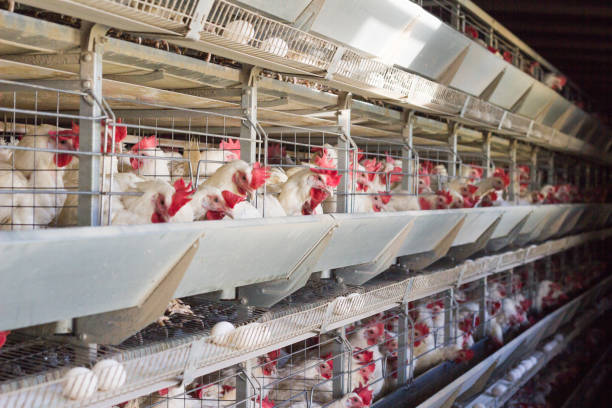
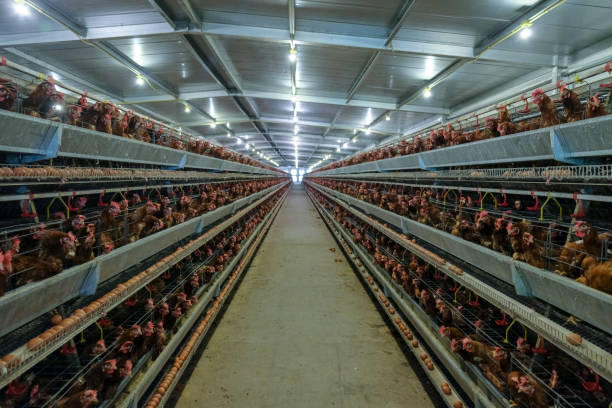
Then comes housing. While some farmers use makeshift pens made of wood and wire mesh, these often lead to higher mortality due to predators, poor ventilation, or dampness. This is where investing in proper cages makes a big difference. Our galvanized steel Kienyeji cages at Livi Machinery are designed specifically for African conditions — rust-resistant, easy to clean, and predator-proof. A medium-sized cage system for 100–150 chickens starts around KSh 35,000. That might sound steep upfront, but think about the savings: fewer lost birds, lower labor for cleaning, reduced feed waste, and better air circulation that prevents respiratory issues.
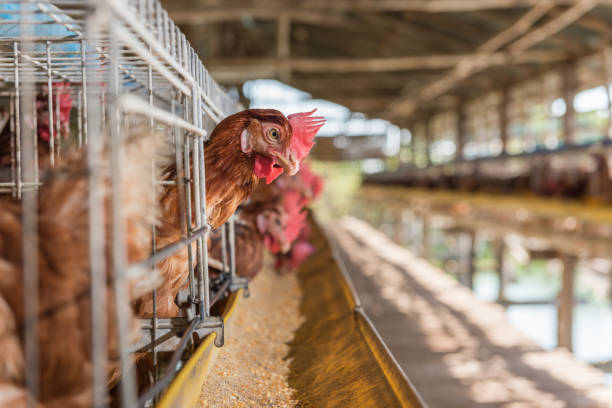
Feeding is another major line item. Local breeds eat less than broilers, but they still need balanced nutrition for growth and laying. Maize, omena, sunflower cake, and supplements add up quickly. On average, feeding one bird for six months (until maturity) can cost KSh 600–800. For larger flocks, optimizing feed efficiency becomes critical. We recommend automatic feeders and waterers — systems we provide — that cut spillage by up to 30%. Over time, this saves thousands while keeping birds healthier.
Veterinary care and vaccinations shouldn’t be skipped either. Newcastle disease remains a serious threat. Vaccines themselves aren’t expensive (around KSh 20–30 per dose), but improper handling or repeated outbreaks due to poor biosecurity can wipe out entire flocks. Having well-ventilated, elevated cages helps isolate droppings and reduce infection risks — yet another reason why smart equipment pays off.
When you tally everything — chicks, shelter, feeds, healthcare, labor — starting a modest 200-bird Kienyeji farm in Kenya usually requires between KSh 150,000 and KSh 250,000. But here’s the key: farmers who cut corners on infrastructure often pay more later in losses and repairs. With durable, scalable solutions from Livi Machinery, you’re not just spending — you’re building value.
Smart Equipment = Lower Lifetime Costs
Many farmers don’t realize that their biggest “hidden” cost isn’t the purchase price — it’s maintenance, replacement, and lost productivity. Take an old-school wooden coop, for example. It might seem cheaper, but termites, rot, and difficulty in cleaning make it a weak choice over time. Within two years, you could be rebuilding it entirely — and losing birds in the process.
Now compare that with our hot-dipped galvanized cages. They last over 10 years, resist corrosion, and come with features like sloped floors for automatic manure removal and tray collection. Yes, the initial investment is higher, but over five years, you save massive amounts in labor, vet bills, and bird performance. Plus, our modular designs let you expand gradually as your business grows — no need to rebuild from scratch.
We’ve seen farmers increase survival rates from 65% to over 90% simply by switching to improved caging systems. That kind of jump directly boosts profitability. Imagine selling 180 mature birds instead of struggling with 130 from the same batch — especially when live Kienyeji chickens sell for KSh 1,500–2,500 each in urban markets!
And let’s talk incubation. If you want to hatch your own chicks instead of buying them every cycle, a reliable incubator changes the game. Our digital incubators hold 120 to 480 eggs, maintain consistent temperature and humidity, and feature automatic turning. Priced between KSh 70,000 and KSh 180,000, they pay for themselves in just a few batches. Producing your own quality chicks means full control over breeding stock, lower long-term costs, and better consistency.
From cage design to automation, every tool we offer is built with Kenyan farms in mind. And unlike imported brands that break easily and lack local service, Livi Machinery provides fast technical support, spare parts availability, and free installation guidance.
Starting Strong: How to Build a Profitable Kienyeji Project
So how do you begin without overspending? Start by planning your scale. Are you raising chickens part-time as a side hustle or aiming for full commercial supply? Define your goals clearly. Then choose equipment that matches — not overshoots — your current capacity, but allows room to grow.
Next, source quality day-old chicks or point-of-lay pullets from certified breeders. Cross-check reviews and ask about vaccination history. Avoid traders offering suspiciously low prices — unhealthy stock leads to disaster down the road.
Set up your house in a dry, shaded area with good airflow. Elevate cages at least 2 feet off the ground to prevent moisture buildup and rodent access. Install nipple drinkers and hanging feeders to keep food clean and minimize waste.
Also consider adding simple tech tools: thermometers, hygrometers, and light timers for consistent lighting schedules during lay cycles. These small upgrades help maintain ideal conditions without constant monitoring.
And remember — success doesn’t come overnight. Track daily feed use, weight gain, egg output, and mortality. Adjust your practices based on data, not guesses. With time, you’ll refine your operation into a reliable income stream.
At Livi Machinery, we support farmers every step of the way — from choosing the right layout to helping connect with vet services or market buyers. Our mission is simple: empower Kenyan farmers with smart, durable, locally adapted equipment so you spend less, earn more, and sleep better knowing your flock is safe and thriving.
Ready to take your Kienyeji farming to the next level? Tell us your planned flock size and space details, and we’ll send you a custom quote with setup recommendations. Just leave your name, phone number, and location below — we respond within 24 hours.
Frequently Asked Questions (FAQs)
How much does a Kienyeji chicken cost in Kenya today?
Prices vary, but a day-old chick ranges from KSh 150 to 300, while a mature bird sells for KSh 1,500 to 2,500 depending on weight and location.
Are Kienyeji chickens worth it compared to broilers?
Yes, especially if you’re targeting niche markets. They fetch higher prices, require less intensive feeding, and are preferred for traditional dishes.
What size cage do I need for 100 Kienyeji chickens?
We recommend a cage with at least 6 sq ft per bird. For 100 birds, a 6×10 feet galvanized system works well and lasts over a decade.
Can I raise Kienyeji chickens in a backyard setup?
Absolutely. Many successful urban and peri-urban farmers start with small flocks in secure coops. Use raised cages to prevent disease and pests.
How many eggs does a Kienyeji hen lay per year?
On average, 80 to 120 eggs annually, though high-performing lines can reach 140+ with good feeding and management.
Do Kienyeji chickens need special feed?
They thrive on local ingredients like maize germ, omena, and kitchen scraps, but should get calcium supplements for strong eggshells.
Is vaccination necessary for Kienyeji chickens?
Yes, especially against Newcastle Disease. Even hardy breeds can succumb without timely immunization.
How long does it take for Kienyeji chicks to mature?
About 5 to 6 months to reach full size and begin laying consistently.
Can I use an incubator for Kienyeji eggs?
Yes, and it’s one of the best ways to scale. Our incubators handle indigenous eggs perfectly and improve hatch rates significantly.
Where can I buy quality Kienyeji cages in Kenya?
Livi Machinery delivers directly across Kenya — Nairobi, Mombasa, Kisumu, Nakuru, Eldoret, and beyond. We ship nationwide with installation support.