
How to Start a Chicken Farm in Florida | Livi Solutions
How to Start a Chicken Farm in Florida | Livi Solutions
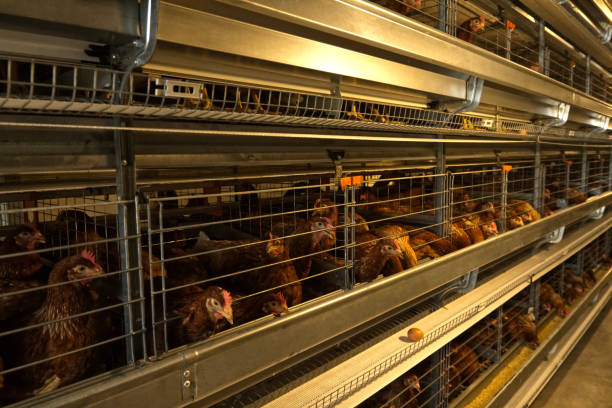
Starting a chicken farm in Florida can be a rewarding and profitable venture, thanks to the state’s favorable climate, strong agricultural infrastructure, and growing demand for local poultry products. Whether you’re looking to raise broilers, layers, or even start a hatchery operation, Florida offers opportunities for new farmers at every scale — from backyard setups to large commercial farms. However, getting started requires careful planning, proper equipment, and a solid understanding of local regulations and environmental factors. At Livi, we’ve helped hundreds of farmers across the U.S. launch successful chicken farming operations, and in this guide, we’ll walk you through everything you need to know to start your own in Florida.
Choosing the Right Type of Chicken Farm for Your Goals
Before breaking ground or buying birds, it’s essential to decide what kind of chicken farming business you want to run. The two most common paths are raising meat chickens (broilers) or egg-laying hens (layers), though some entrepreneurs go with dual-purpose breeds or even hatcheries for breeding stock. Broiler farms usually have faster turnover — you raise birds for 6–8 weeks and then send them to market. Layer farms take longer to become profitable but offer steady income over time as hens produce eggs daily for more than a year.
Another increasingly popular option is starting a free-range or organic egg farm, especially given Florida consumers’ rising interest in ethically raised, locally sourced food. These niche markets often command premium prices at farmers’ markets, health food stores, and restaurants focused on sustainability. No matter which path you choose, selecting the right breed matters. For hot Florida summers, heat-tolerant breeds like Leghorns (excellent layers), Cornish Cross (fast-growing broilers), or heritage breeds such as Plymouth Rocks perform well if managed properly.
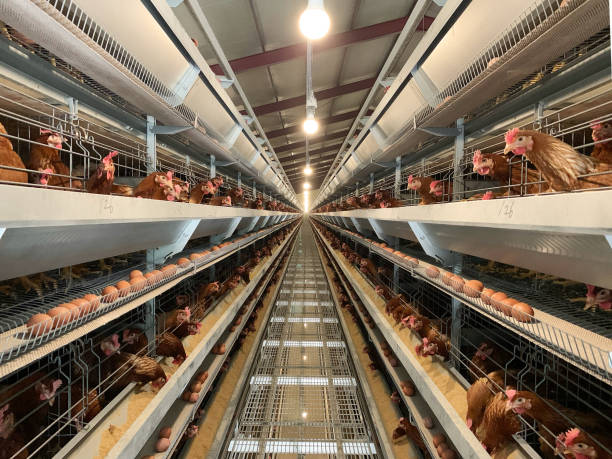
At Livi, we tailor our housing and feeding systems based on your production goals. For example, if you’re building a layer farm, automation like automatic egg collection belts and manure removal systems can drastically reduce labor costs and keep your flock healthier. On the flip side, small-scale free-range setups might prioritize mobility — here, our movable chicken tractors are ideal. They provide shade, protection, and easy relocation so the birds always have access to fresh grass while preserving pasture land. Whatever your choice, having the right foundation starts with defining your mission clearly.
Setting Up Your Farm: Climate, Layout, and Equipment Needs
Florida’s subtropical climate means warmth and humidity most of the year — great for avoiding winter heating costs but challenging when it comes to ventilation and disease control. High temperatures combined with moisture create perfect conditions for pathogens, ammonia buildup, and heat stress in birds. That’s why proper barn design and airflow management are non-negotiables. Well-ventilated houses with tunnel ventilation systems, evaporative cooling pads, and ridge openings help maintain optimal indoor conditions even during July heatwaves.
When laying out your farm, consider both current needs and future expansion. Start by securing at least 1–3 acres depending on your scale. Position coops facing east-west to minimize direct sun exposure, and ensure enough space between structures for airflow and biosecurity. Include buffer zones, fencing, and rodent-proof storage for feed — these may seem minor now, but they prevent big problems later. Also, work closely with your county extension office to understand zoning laws, water usage permits, and waste management requirements specific to your area.
Now let’s talk equipment — one of the most critical investments you’ll make. At Livi, we specialize in all-in-one solutions that grow with your operation. Our modular chicken cage systems allow you to add tiers or rows effortlessly as your flock expands. For starters, we recommend automated feeding and watering systems. Not only do they save hours each day, but they also reduce feed waste by up to 20% and cut down on contamination risks. With nipple drinkers and chain feeders, every bird stays hydrated and fed without mess or mold concerns.
Incubation is another key element if you plan to hatch your own chicks. A reliable incubator maintains consistent temperature and humidity levels, giving you higher hatch rates and independence from external suppliers. We offer digital multi-stage and single-stage models capable of handling thousands of eggs, perfect for scaling into a breeding program down the line. Combine smart tech like remote monitoring sensors, and suddenly you’re not just farming — you’re running a data-driven agribusiness.
Mastering Daily Management and Biosecurity Practices
Even the best-built farm will struggle without sound daily management. Chickens thrive on routine: consistent lighting schedules, clean water, timely vaccinations, and low-stress handling. In Florida, summer afternoons mean turning on cooling fans early and checking birds frequently for signs of panting or lethargy. Winter is milder, but sudden cold snaps — yes, they happen near northern Florida — require temporary heat sources or insulated curtains.
Biosecurity should be top of mind. This includes simple habits like changing shoes before entering coops, limiting visitors, quarantining new birds, and conducting regular pest inspections. One infected bird introduced from an outside source can wipe out an entire flock within days, costing tens of thousands in losses. That’s why modern farms use footbaths, entry logs, and enclosed air filtration where possible.
Health monitoring goes hand-in-hand with record keeping. Track weight gain, feed conversion ratios, mortality rates, and egg production weekly. Over time, this data reveals inefficiencies and allows for smarter decisions — whether it’s tweaking feed formulas or adjusting light duration to boost laying cycles. Farmers using our smart monitoring kits report better yields and faster response times to health issues simply because alerts are sent straight to their phones.
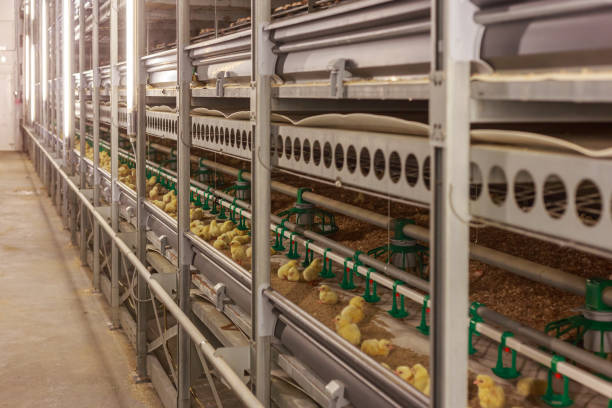
Of course, no setup is complete without a solid waste plan. In Florida, improper manure disposal violates environmental standards and attracts pests. Instead, treat droppings as a resource. Compost them for fertilizer, sell to nearby vegetable growers, or invest in anaerobic digesters for biogas energy (an advanced but increasingly viable option). Livi designs cages with integrated manure belts that make cleanup fast and hygienic, keeping the coop environment cleaner and workers safer.
Ready to Build Your Dream Chicken Farm in Florida? Let Us Help You Get Started
You don’t have to figure it all out alone. Whether you’re converting a piece of land in Gainesville, launching a USDA-certified facility near Tampa, or starting a backyard-to-market brand in Miami-Dade County, Livi provides expert guidance from concept to completion. We’ve worked with farmers all over the Southeast who faced the same questions you’re asking today: How much does it cost? What size house should I build? Which automation pays off fastest?
Our team offers free site assessments, 3D layout designs, and customized quotes based on your budget and vision. From durable galvanized steel cages built to last 15+ years to full turnkey installations including generators, solar panels, and AI-powered climate controllers — we bring everything together seamlessly.
So what’s next? Take the first step: reach out to us with your land size, production goal, and preferred location in Florida. We’ll reply within 24 hours with a personalized roadmap and connect you with references from other Livi-powered farms in similar climates. Don’t wait — successful chicken farming begins long before the first chick arrives. It starts with the right partner.
Got Questions About Starting a Chicken Farm in Florida?
What’s the average startup cost for a small chicken farm in Florida?
Startup costs vary widely depending on scale. A basic 1,000-bird layer setup with used equipment could run $15,000–$25,000. A new 5,000-bird automated house with Livi systems typically ranges from $60,000 to $90,000, including feeders, water lines, and climate controls.
Do I need a permit to start a chicken farm in Florida?
Yes — especially if you’re operating commercially. You’ll likely need approvals from your county agricultural department, possibly the Florida Department of Agriculture and Consumer Services (FDACS), and compliance with local zoning and environmental rules. We can guide you through documentation.
Can I run a chicken farm in South Florida’s humid weather?
Absolutely, but ventilation and cooling are crucial. Our Florida customers use tunnel ventilation, cooled pad walls, and elevated mesh floors to manage moisture and heat, ensuring healthy flocks year-round.
Is it better to raise chickens in cages or free-range systems?
It depends on your goals. Cages maximize space, improve hygiene, and simplify automation — ideal for larger operations. Free-range appeals to specialty markets but demands more land and predator protection. Many farmers actually combine both — caged at night, range access during the day.
How many eggs can I expect per hen per year?
Most commercial hybrid layers, like ISA Browns or Hy-Line W-36s, lay around 280–320 eggs annually under good management. Proper lighting (14–16 hours/day), balanced feed, and low-stress environments boost performance.
Can Livi help me find financing or grants for my farm?
While we don’t lend money directly, we partner with agricultural lenders and can provide pro forma financial models and equipment invoices that support loan applications. Some of our clients have successfully used USDA beginning farmer programs or state-level ag grants.
How long does it take to break even on a chicken farm?
With efficient systems and stable market access, many layer farmers break even in 18–24 months. Broiler farms cycle faster but face more price volatility. Automation, feed efficiency, and consistent sales channels shorten the payoff period significantly.
Are Livi’s systems suitable for organic certification?
Yes — our equipment meets organic standards when used according to guidelines. We offer cage-free aviary systems, outdoor access ramps, and non-GMO-compatible feeding setups for certified organic farms.
How do I deal with predators like raccoons or hawks?
Secure enclosures with welded wire mesh, overhead netting, motion-sensor lights, and locked coops at night are effective. Motion-activated sprinklers or guardian animals like roosters or small livestock dogs also deter intruders.
Can Livi support me after installation?
Definitely. We offer remote troubleshooting, spare parts delivery within 72 hours, video tutorials, and on-site technician visits if needed. Our goal is your long-term success, not just a one-time sale.