
How to Start a Country Chicken Farm with Livi
How to Start a Country Chicken Farm with Livi
Starting a country chicken farm can be one of the most rewarding ventures, especially if you’re passionate about sustainable agriculture and natural food production. With growing demand for free-range, organic poultry, more people are turning to rural or backyard farming models that prioritize animal welfare and environmental balance. But whether you’re a beginner or someone looking to scale up, building a successful country chicken farm requires smart planning, the right equipment, and a reliable partner who understands modern farming needs. That’s where Livi comes in.
At Livi, we’ve spent over a decade helping farmers around the world set up efficient, durable, and intelligent poultry systems — and now we’re here to guide you step by step through launching your own country chicken operation. From choosing the right location to selecting appropriate housing and feeding solutions, our expertise ensures you start strong and grow sustainably.
Getting Started: Choosing Your Location and Setup
Before you buy chickens or build coops, take time to evaluate your land and resources. A good country chicken farm doesn’t just need space — it needs proper drainage, access to clean water, protection from extreme weather, and proximity to markets if you plan to sell eggs or meat.
Start by assessing soil type and topography. Flat or gently sloping land is ideal because it prevents water pooling and makes management easier. Avoid low-lying areas prone to flooding. Also consider shade — trees or planted windbreaks help regulate temperature and reduce stress on birds during hot seasons. If possible, pick a site downwind from homes or public roads to minimize odor concerns and noise complaints.
Once you’ve picked your spot, decide on the size and style of your farm. Are you starting small as a backyard hobbyist? Then a semi-intensive system with movable pens might work best, allowing chickens to rotate across pastures while being protected. For larger operations, permanent structures like deep-litter houses or free-range barns with outdoor runs offer better scalability.
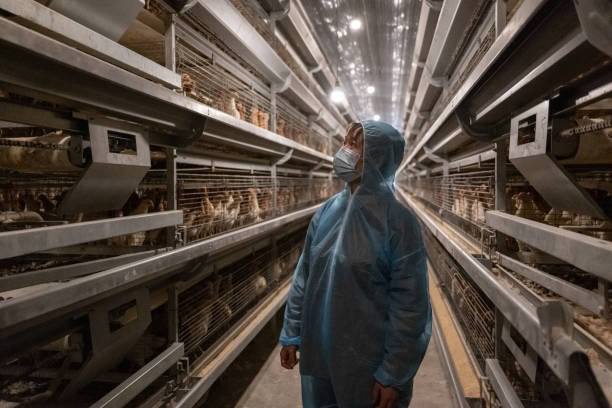
This is where Livi’s range of country chicken farming solutions becomes invaluable. Our modular chicken housing systems are designed specifically for rural and small-scale farms. Made from galvanized steel and high-quality mesh, they resist rust, predators, and wear — even in harsh climates. Whether you go for our easy-to-assemble prefabricated coops or customize a layout for hundreds of birds, Livi ensures durability and functionality without breaking the bank.
Smart Housing and Equipment for Healthy Chickens
One of the biggest mistakes new farmers make is underestimating how much difference proper housing makes. Poor ventilation, overcrowding, or damp floors lead to disease outbreaks and poor egg production. That’s why investing in smart, well-designed living spaces from day one saves money and heartache later.
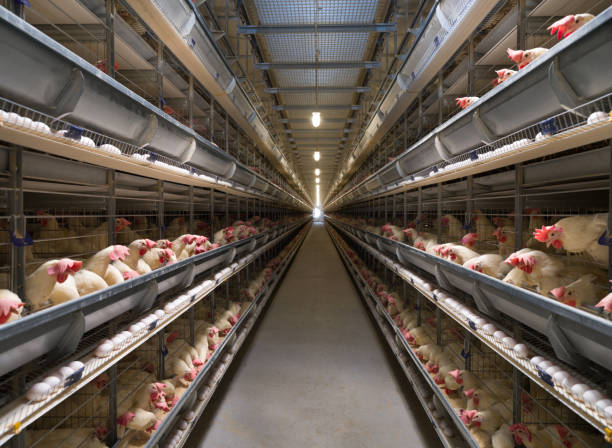
Livi’s country chicken coops come with features tailored to natural behaviors and health maintenance. Each unit includes elevated slatted floors that keep birds off manure, reducing infection risks. Automatic feeders and nipple drinkers ensure clean nutrition with minimal waste — crucial when managing flocks beyond 50 birds. Roof insulation and side curtains allow airflow control in summer and heat retention in winter.
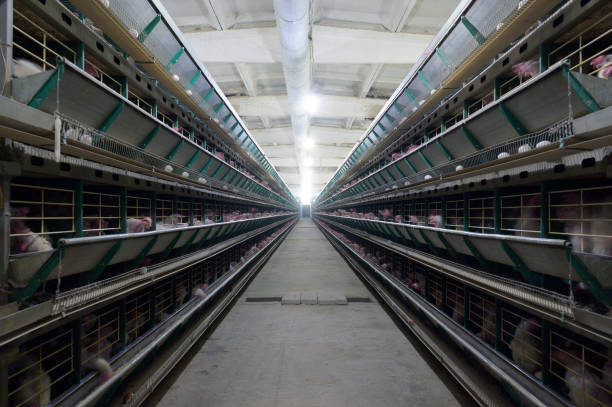
For those raising chicks (which often happens before moving them to grow-out pens), our brooder cages are game-changers. They maintain consistent warmth via heat lamps or electric pads, have adjustable dividers so young birds aren’t overwhelmed, and include safe feeding zones. Raising healthy pullets early sets the foundation for strong laying hens later.
And let’s talk eggs — a key income source for many country chicken farms. Livi offers nesting boxes integrated into cage rows or standalone units placed in walk-in sheds. Hens instinctively seek quiet, secluded spots to lay, so these dark, cushioned nests encourage proper laying habits while keeping eggs clean and easy to collect daily.
Automation isn’t just for industrial farms anymore. Even smallholders benefit from simple tech upgrades. Livi supplies solar-powered lighting timers, automatic egg belt collectors, and remote monitoring tools via app-connected sensors. While not essential at startup, these innovations grow more practical as your farm expands — and starting with compatible systems means smooth future upgrades.
Feeding, Healthcare, and Daily Management Tips
Now that your chickens have a great home, focus shifts to what keeps them thriving: nutrition, hygiene, and routine care.
Country chickens aren’t all the same — there are layers (for eggs), broilers (for meat), and dual-purpose breeds raised for both. Match your bird breed to your goals. Popular choices include Rhode Island Reds, Sussex, and local heritage varieties known for disease resistance and foraging ability.
Their diet should combine commercial layer or grower feed with natural supplementation. Letting chickens roam boosts nutrient intake through bugs and greens, but don’t rely solely on pasture — provide balanced feed rich in protein, calcium, and vitamins. Use Livi’s gravity-fed hopper bins or PVC troughs to deliver food efficiently across enclosures.
Water is non-negotiable. Always check that drinkers are clean and flowing every morning. Stagnant water spreads illness fast.
Health monitoring goes hand-in-hand with feeding routines. Watch for signs like lethargy, ruffled feathers, reduced appetite, or abnormal droppings. Preventive measures matter most: vaccinate according to regional guidelines, deworm regularly, and quarantine any sick birds immediately.
Biosecurity starts outside the coop door. Limit visitors, wash boots before entering coops, and keep wild birds away using netted roofs. Clean bedding weekly and compost manure safely — don’t pile it near housing.
Daily logs help track performance. Record data like feed consumption, egg output, mortality rates, and vet visits. Over time, this shows patterns — maybe certain feeds boost production, or hotter months affect laying frequency. Data-driven decisions improve profitability fast.
Scaling Up and Building a Sustainable Business
Many country chicken farms begin as side businesses but evolve into full-time livelihoods. Once you’ve nailed the basics, think about expansion and value-added products.
Could you market “pasture-raised” eggs at farmers’ markets? Package them in eco-friendly cartons with your farm name? Offer home delivery? Some entrepreneurs add weekend tours or workshops teaching urban families about farming — blending education with income.
Livi supports growth through scalable equipment packages. Need another coop row? Add-on units connect seamlessly. Want to hatch your own chicks instead of buying them? Our small-scale incubators handle 100–500 eggs per batch, perfect for self-sufficiency.
We also advise on regulatory compliance, including registration with agricultural departments and food safety standards if selling commercially. And since every region has unique challenges — humidity, pests, seasonal migration — our team provides personalized recommendations based on your location, climate, and goals.
You’re not alone in this journey. Thousands of farmers worldwide trust Livi to deliver quality equipment backed by real support. Whether you’re farming five acres or fifty, our mission remains the same: empower you with smarter, sturdier tools for happier chickens and higher returns.
Ready to bring your dream farm to life? Tell us about your project, number of birds, and location, and we’ll send a free setup guide + customized equipment quote. Just leave your email or WhatsApp — we respond within 24 hours.
Frequently Asked Questions
What kind of chickens are best for country farming?
Dual-purpose breeds like Brahma, Plymouth Rock, and Australorp do well in free-range settings. They forage actively, tolerate varying climates, and provide both eggs and meat. Local breeds adapted to your region are often safest bets.
Do I need electricity for a basic country chicken farm?
Not necessarily. Small setups can run without power using manual feeding and watering. However, adding lights for extended daylight, fans for cooling, or automated systems boosts productivity. Solar panels are excellent off-grid options.
How many chickens can I raise on one acre?
It depends on the system. In fully enclosed coops, you can house 500–1,000 birds per acre. For true free-range models with rotational grazing, experts suggest limiting to 100–200 birds per acre to prevent land degradation.
Can Livi help design my entire farm layout?
Yes! Share your land dimensions, bird count, and budget, and we’ll create a complete layout with recommended equipment placements, access paths, and workflow suggestions — all at no cost.
Are Livi’s coops suitable for cold climates?
Absolutely. Our frames use thick galvanized steel, and optional thermal covers + windbreak nets make units winter-ready. We’ve supplied farms in northern China, Canada, and parts of Eastern Europe facing sub-zero temperatures.
How long do Livi chicken coops last?
Most last 10–15 years thanks to corrosion-resistant materials and sturdy construction. Regular cleaning and minor maintenance (like tightening bolts) extend lifespan even further.
Is vaccination necessary for country chickens?
While backyard flocks may avoid some diseases naturally, common illnesses like Newcastle or Gumboro can wipe out entire populations. Consult a vet and follow national vaccination protocols — prevention beats cure.
Can I modify Livi cages for ducks or quails?
Our standard cages are optimized for chickens, but customization is possible. For alternative poultry, contact us directly — we offer tailored sizes and configurations upon request.
What’s the average startup cost for a medium-sized country chicken farm?
For 300–500 birds, expect $3,000–$7,000 depending on automation level and structure type. This includes coops, feeders, water systems, initial stock, and basic medical supplies.
Do you ship internationally?
Yes, Livi exports globally. We work with logistics partners to ensure safe delivery and customs clearance. Freight costs vary by destination — ask for an inclusive quote when requesting pricing.