
How to Start a Free Range Chicken Farm
How to Start a Free Range Chicken Farm
Raising chickens in an open, natural environment isn’t just a trend—it’s a smart, sustainable way to produce high-quality poultry and eggs. If you’ve been wondering how to start a free range chicken farm, you’re not alone. More and more farmers around the world are shifting toward this method because it promotes better animal welfare, improves meat and egg quality, and often commands higher market prices. But starting a successful free-range operation takes more than just letting birds wander outside. You’ll need careful planning, proper infrastructure, and a solid understanding of both chicken behavior and modern farming practices.
Before you break ground or bring in your first flock, let’s walk through the key steps to ensure your free-range farm thrives from day one.
Choosing the Right Location and Designing Your Layout
Location is everything when starting a free range chicken farm. Ideally, you want a spacious area with access to fresh air, sunlight, and good drainage—chickens don’t do well in wet or muddy environments. A minimum of 1 square foot per bird inside the coop and at least 4–10 square feet per bird in the outdoor run is recommended, depending on regulations in your region and the type of production (eggs vs. meat). Look for land that offers some natural shade from trees or has space to install shelters so your birds can escape harsh weather.
Your layout should balance freedom of movement with safety. Chickens are curious but vulnerable animals—they love exploring, but they’re also targets for predators like foxes, raccoons, and birds of prey. That’s why a secure perimeter fence made of sturdy poultry netting or electric fencing is essential. Consider dividing your pasture into sections using movable fencing (commonly called rotational grazing), which allows the land to rest and recover while giving your birds fresh grass regularly. This rotation mimics natural foraging patterns and reduces parasite buildup in the soil.
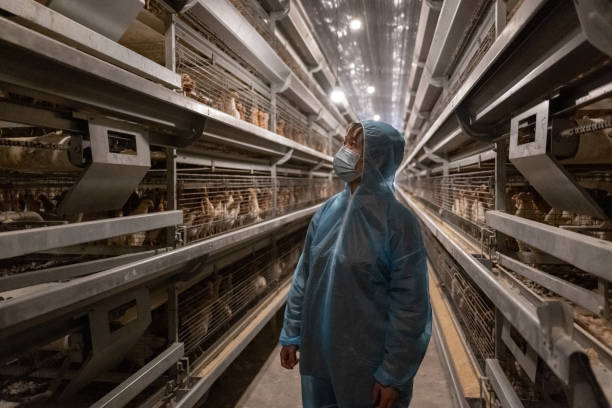
Inside, make sure your coop provides enough ventilation without drafts, nesting boxes for laying hens (one box for every 3–5 hens), roosting bars, and easy access to food and water. Since free range doesn’t mean zero management, your indoor setup must still support health and hygiene. At Livi Mechanical, we design coops with durability and efficiency in mind—using galvanized steel frames and anti-corrosion coating to stand up to years of use, even in humid or rainy climates.
Selecting the Right Breeds and Managing Flock Health
Not all chicken breeds are built for outdoor living. For a true free range system, choose hardy, active breeds that enjoy foraging and can handle temperature changes. Popular choices include Rhode Island Reds, Plymouth Rocks, Sussex, and Orpingtons. These heritage-type breeds tend to be more disease-resistant and have strong instincts for scratching the ground and finding insects, which cuts down on feed costs naturally.
When sourcing chicks, always go through reputable hatcheries and consider vaccinated stock to reduce the risk of common diseases like Newcastle or Gumboro. The first few weeks are critical—baby chicks need warmth (around 95°F initially, then gradually lowered), clean bedding, and medicated starter feed until they build immunity. After about six weeks, if weather permits, you can begin introducing them to the outdoors during daylight hours under close supervision before fully transitioning them to the pasture.
Health monitoring should be part of your daily routine. Watch for signs of illness like lethargy, ruffled feathers, coughing, or decreased appetite. Parasites—both internal (worms) and external (mites, lice)—are common challenges in outdoor systems. Implement regular deworming schedules and use dust baths filled with diatomaceous earth and sand to help keep pests under control.
One big advantage of partnering with experts like Livi is gaining access to full-cycle support—from brooder cages designed to provide optimal heat distribution and airflow, all the way up to automatic feeding and watering systems customized for free range layouts. Automation doesn’t conflict with free range ethics; in fact, it helps maintain consistency while reducing labor.
Feeding, Egg Collection, and Daily Management
Free range chickens do eat bugs and grass, but they still need balanced nutrition to grow properly or lay consistently. Relying solely on forage won’t meet their protein and calcium requirements, especially for layers producing eggs. Provide a complete feed formulated for either broilers or layers, supplemented by natural foraging. Some farmers mix grains or give kitchen scraps occasionally, but avoid anything salty, spoiled, or toxic like avocado pits or raw potato peels.
Water is equally important—make sure your birds always have access to clean, cool water. In hot seasons, dehydration can happen quickly. Automatic nipple drinkers connected to a central water line reduce spillage and contamination compared to open trays.
If you’re raising egg-laying hens, collect eggs at least twice a day, preferably in the morning and late afternoon. Nest boxes should be placed in quiet, dimly lit areas since hens prefer privacy when laying. Regular collection prevents breakage and discourages broodiness or egg-eating habits.
Daily management includes checking fences, refilling feeders, inspecting droppings, and scanning for any signs of stress or aggression among birds. Good record-keeping—tracking feed usage, mortality rates, egg output, and vaccinations—will help you spot trends and improve performance over time.
Many of our clients find that installing simple tech upgrades—like solar-powered lighting, automated pop-hole doors that open at sunrise and close at dusk, or CCTV monitoring—saves hours every week while improving biosecurity.
Scaling Up and Getting Your Product to Market
Once your flock is established and operating smoothly, it’s worth thinking about scalability. Can you double your capacity with another mobile coop? Would adding a small processing unit allow you to sell whole birds instead of live ones? Many successful free range farms start small but grow steadily by reinvesting profits and responding to local demand.
Marketing plays a huge role here. Consumers who buy free range products often care about transparency—where their food comes from, how animals were treated, and whether chemicals were used. Share your story online, host farm visits, offer samples at local markets, and consider certifications like “Certified Humane” or organic labels if they align with your goals.
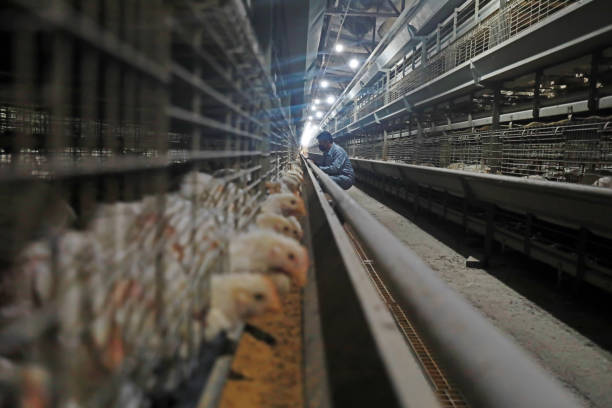
At Livi Mechanical, we’ve helped hundreds of farmers transition from backyard setups to semi-commercial or large-scale operations. From laying nests with conveyor belts to integrated manure removal systems, our equipment is built to simplify work while keeping chickens healthy and happy. Whether you’re launching your first free range project or expanding an existing one, we offer site assessment, custom design, installation guidance, and after-sales service—all tailored to your climate and budget.
Ready to take the next step? Fill out the form below or contact us directly—we’d love to hear about your vision and help you build a smarter, more profitable free range farm.
Frequently Asked Questions
What does “free range” really mean?
Free range means chickens have regular access to the outdoors during daylight hours. Exact standards vary by country—for example, USDA requires at least 6 hours outside per day with access to vegetation.
Do free range chickens need shelter at night?
Yes. Even though they roam freely during the day, chickens must be locked in a safe, predator-proof coop at night. They return instinctively as darkness falls.
Can I raise meat and egg chickens together?
It’s possible but not ideal. Broilers (meat birds) grow faster, eat more, and may dominate feeders. Layers need consistent calcium intake. Keeping them separate gives better results.
How do I deal with predators on a free range farm?
Use secure fencing, motion-sensor lights, guardian animals like dogs or geese, and automatic coop doors. Electric fencing works very well when properly installed.
Is free range farming profitable?
Yes, especially if you sell directly to consumers or restaurants at premium prices. Lower feed costs due to foraging and increasing consumer demand boost profitability over time.
Do I need special permits to start a free range chicken farm?
Check with your local agricultural department. Most regions require registration, especially if you plan to sell eggs or meat commercially. Zoning laws may also apply.
How many eggs can I expect from free range hens?
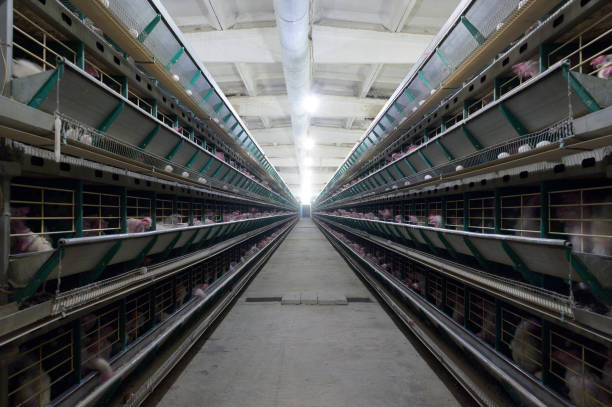
Healthy hybrid layers like ISA Browns or Hy-Line can lay 280–320 eggs per year. Heritage breeds lay fewer—about 180–250—but are often hardier and better foragers.
Can I use automation in a free range system?
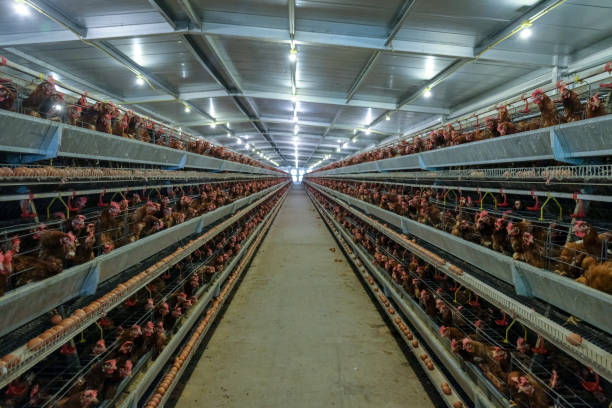
Absolutely. Systems like automatic feeders, water lines, egg collection belts, and climate control can coexist with outdoor access. They save labor and ensure consistency.
How long do chickens live on a free range farm?
Egg-laying hens are usually kept 2–3 years before productivity declines. Meat birds are harvested much earlier—at 6–8 weeks old. Some backyard flocks live 5–8 years with good care.
Where can I get reliable free range farming equipment?
Companies like Zhengzhou Livi Mechanical Manufacturing specialize in durable, practical solutions—from chick rearing systems to full-line laying farms. We design for real-world conditions and long-term use.