
Improved Kienyeji Chicken Farming Solutions in Kenya
Improved Kienyeji Chicken Farming Solutions in Kenya
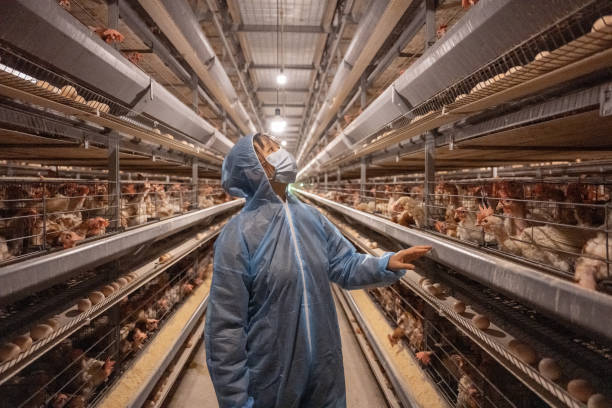
Raising kienyeji (indigenous) chickens in Kenya has long been a reliable source of income and nutrition for smallholder farmers. However, traditional farming methods often result in low productivity, high mortality rates, and inconsistent egg production. To overcome these challenges, modern improved kienyeji chicken farming solutions are transforming the sector by combining the resilience of local breeds with smart, efficient farming systems. At Livi Machinery, we’ve worked closely with Kenyan farmers to design tailored poultry housing and management solutions that boost yield, reduce labor, and support sustainable growth.
Our experience shows that success doesn’t come from simply changing the breed alone — it comes from upgrading the entire production chain. From better housing to optimized feeding and disease control, every element plays a role in turning kienyeji chicken farming into a profitable and scalable venture. In this article, we explore how farmers across Kenya are using innovative approaches to maximize output while preserving the hardiness and taste advantages of indigenous birds.
Smart Housing Systems for Better Protection and Productivity
One of the biggest game-changers in improved kienyeji farming is the adoption of smart housing structures. Traditional free-range setups expose birds to predators, parasites, and harsh weather — all of which contribute to high chick mortality and stress-related drops in egg production. By transitioning to semi-intensive or controlled-environment housing, farmers can dramatically improve survival rates and overall flock health.
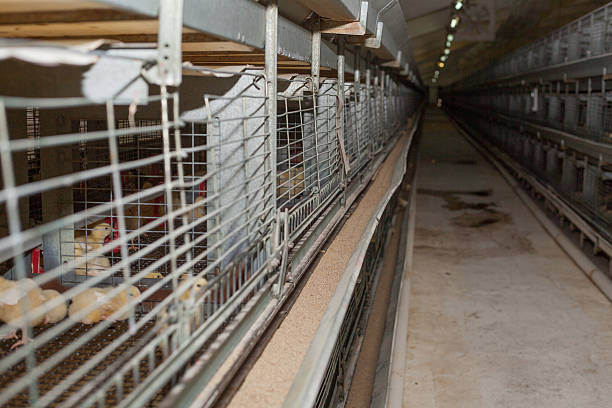
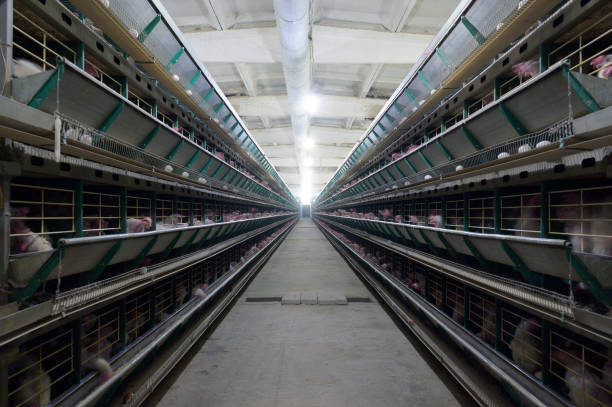
At Livi Machinery, we offer hybrid chicken coops designed specifically for kienyeji birds. These cages blend natural ventilation with secure mesh enclosures, raised flooring to prevent contact with droppings, and dedicated nesting zones to encourage consistent laying patterns. What makes our systems stand out is their adaptability — they’re easy to assemble, resistant to corrosion, and sized appropriately so birds retain their active nature without overcrowding.
Farmers who’ve upgraded to our coop designs report up to 40% higher egg collection rates within just three months. The key lies in reducing stress: when birds aren’t fighting for space or dodging rodents at night, they eat better, grow stronger, and lay more consistently. Plus, with integrated feeders and water troughs, daily chores become faster and more efficient — saving valuable time for busy farm owners.
Health, Feeding, and Breeding: The Hidden Drivers of Success
While good housing lays the foundation, long-term success depends on proper nutrition, vaccination schedules, and selective breeding. Many small-scale farmers still rely on kitchen scraps or unbalanced feeds, which leads to malnutrition and weak immunity. Improved farming means investing in formulated feeds rich in protein, calcium, and essential vitamins — especially during peak laying periods.
We recommend a phased feeding approach: starter mash for chicks under eight weeks, grower feed until point-of-lay (around 16–18 weeks), and layer pellets thereafter. Supplementing with crushed oyster shells ensures strong eggshells, a major concern among kienyeji producers who struggle with breakage rates. For organic-focused farms, we also guide customers on growing fodder like amaranth and desmodium as natural supplements.
Disease prevention goes hand-in-hand with diet. Newcastle disease and Gumboro remain common threats, but routine vaccination combined with clean housing significantly reduces outbreaks. Our technical team offers free training sessions in Kenya, helping farmers identify early warning signs such as ruffled feathers, coughing, or reduced appetite. We also promote biosecurity practices — limiting visitor access, rotating footwear, and setting foot baths at coop entrances — simple steps that go a long way.
Selective breeding is another area where modern techniques add value. While pure indigenous stock has excellent flavor and disease resistance, crossing them carefully with high-producing lines (like KARI Improved or Sasso) can produce offspring that maintain local adaptability while laying more eggs per year. With proper record-keeping — tracking which hens lay most frequently — farmers can build a superior flock over generations.
Technology Integration That Makes Daily Management Easier
You might think automation belongs only in large commercial operations, but even small kienyeji farms benefit from smart tech tools. Today’s affordable innovations — like automatic nipple drinkers, solar-powered ventilation fans, and egg counting trays — eliminate guesswork and reduce human error.
For example, many farmers waste feed because of open trays that attract dust and pests. Switching to closed-line feeding systems keeps feed fresh longer and cuts wastage by up to 30%. Similarly, automated watering systems ensure constant access to clean water without daily refilling, critical during dry seasons when dehydration risks soar.
We’ve introduced mobile-friendly monitoring kits in partnership with agri-tech providers in Nairobi. These include temperature sensors inside coops, alert-based apps for disease reminders, and even remote cameras so farmers can check on flocks via phone. A poultry farmer in Kiambu recently caught an outbreak early after receiving a nighttime alert about unusual movement patterns — thanks to motion detection linked to his smartphone.
And let’s not forget record-keeping. Many successful kienyoji operators now use simple digital logs (via WhatsApp forms or Google Sheets) to track hatch rates, mortality, egg counts, and feed expenses. Over time, this data becomes a powerful tool for planning, budgeting, and applying for loans or grants.
Making the Shift: Support You Can Count On
Transitioning from traditional to improved kienyeji farming may seem daunting, but you don’t have to do it alone. At Livi Machinery, we provide end-to-end support — from site assessment and design consultation to installation and staff training. Whether you’re starting small with 50 birds or expanding to 2,000+ layers, our team tailors solutions based on your land, climate, and goals.
We ship directly from our factory in Zhengzhou to Mombasa and Nairobi, offering competitive pricing and durable galvanized steel products built to last over a decade. And because no two farms are alike, we welcome custom requests — whether it’s adjusting cage height for elderly keepers or designing multi-tier systems for limited-space urban backyards.
But beyond equipment, what really drives impact is knowledge sharing. That’s why we host quarterly workshops across Kisumu, Nakuru, and Machakos, inviting experts and experienced farmers to exchange ideas. We believe empowered farmers create thriving communities — and we’re proud to be part of that journey.
If you’re ready to take your kienyeji chicken project to the next level — whether upgrading your current setup or launching a new operation — we’d love to hear from you. Share your farm details, number of birds, and location, and our team will send personalized recommendations, pricing, and setup guides — absolutely free. Let’s work together to build healthier flocks, higher yields, and a stronger future for family farming in Kenya.
Frequently Asked Questions
What is improved kienyeji chicken farming?
It’s a modernized approach that combines the natural toughness of local Kenyan chickens with better housing, feeding, healthcare, and management practices to increase egg production, survival rate, and profitability.
Are kienyeji cages necessary, or can I keep them free-range?
While free-range allows natural behavior, adding structured housing greatly improves safety, hygiene, and productivity. Semi-scavenging with night-time confinement in elevated coops gives the best balance between tradition and progress.
How many eggs can improved kienyeji hens lay per year?
Traditional ones lay around 40–60 eggs annually. With better care and selective breeding, improved hens can produce 120–180 eggs per year — sometimes more under optimal conditions.
Can Livi help with installation in rural areas?
Yes! We partner with local technicians across Kenya who handle delivery and setup. We also provide detailed video instructions and offer live support via phone or WhatsApp.
Is vaccination mandatory for kienyeji chickens?
While they’re naturally hardy, skipping vaccines — especially against Newcastle disease — puts your entire flock at risk. A basic vaccination schedule (weeks 2, 4, and 16) is low-cost and highly effective.
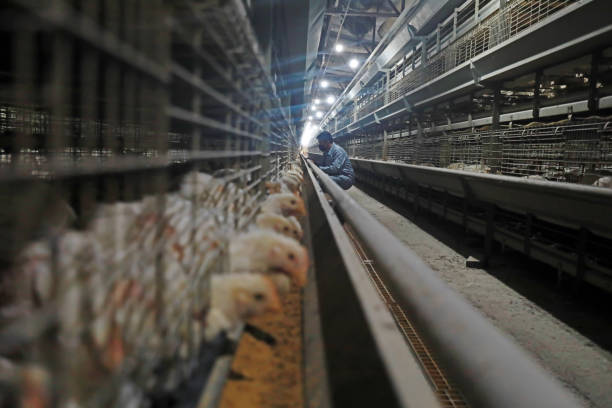
Do your systems work for brooder chicks?
Absolutely. We offer specialized chick rearing cages with heat lamps, fine mesh floors, and smaller feeders perfect for day-old chicks up to eight weeks old.
How much does it cost to start an improved kienyeji unit?
Costs vary depending on scale, but a well-equipped 100-bird system — including cage, feeder, water system, and basic accessories — starts from KSh 85,000. Most farmers recoup this within 8–10 months through increased sales.
Can I mix kienyeji with exotic breeds in the same house?
It’s possible, but not ideal. Indigenous birds tend to roost higher and are more alert than commercial hybrids. Mixing them can cause stress and uneven resource use. Separate sections or different houses are recommended.
What feeds should I use for maximum egg output?
Use quality commercial feeds at each stage: starter (20–22% protein), grower (16–18%), and layer (16% protein + 3.5–4% calcium). Supplement with greens, insects, and grit for natural digestion.
How do I know if my chickens are healthy?
Watch for bright eyes, smooth feathers, steady appetite, regular droppings, and consistent egg production. Any sudden drop in activity or eating should prompt closer inspection.