
Kuroiler Poultry Farming Solutions in Kenya
Kuroiler Poultry Farming Solutions in Kenya
Raising Kuroiler chickens has rapidly become one of the most profitable and sustainable poultry ventures across Kenya. Known for their high egg production, fast growth rate, and adaptability to local climates, Kuroiler birds are gaining popularity among smallholder farmers and commercial operations alike. However, success in Kuroiler farming doesn’t come from just selecting the right breed—it hinges on having the right infrastructure, management practices, and long-term planning. That’s where modern poultry farming solutions come into play. At Livi Machinery, we specialize in providing smart, durable, and scalable equipment tailored specifically for Kuroiler poultry systems in Kenya.
Our experience working with East African farmers over the past decade has shown us that productivity skyrockets when farmers move from traditional free-range setups to structured, hygienic, and efficient rearing environments. Whether you’re starting a new Kuroiler project or upgrading an existing one, investing in professional-grade housing, feeding, watering, and climate control systems can dramatically improve survival rates, feed conversion ratios, and overall profitability. Let’s dive deeper into how optimized poultry equipment supports successful Kuroiler farming in Kenya.
The Importance of Proper Housing and Equipment Setup
One of the biggest challenges Kuroiler farmers face is maintaining ideal growing conditions—especially during rainy seasons or extreme heat. Without proper shelter, your flock becomes vulnerable to diseases, predators, and temperature fluctuations. Traditional wooden or mud structures may seem cost-effective initially, but they’re harder to clean, harbor bacteria, and don’t support biosecurity protocols.
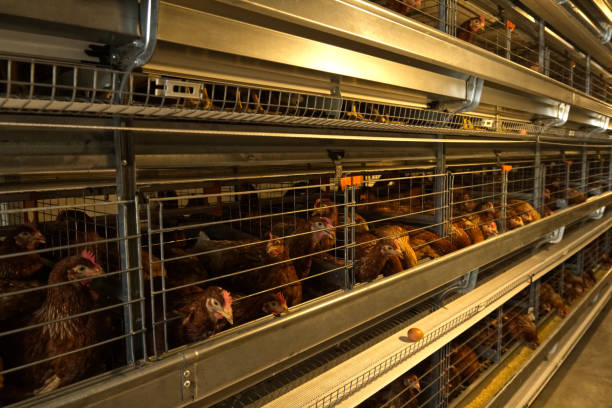
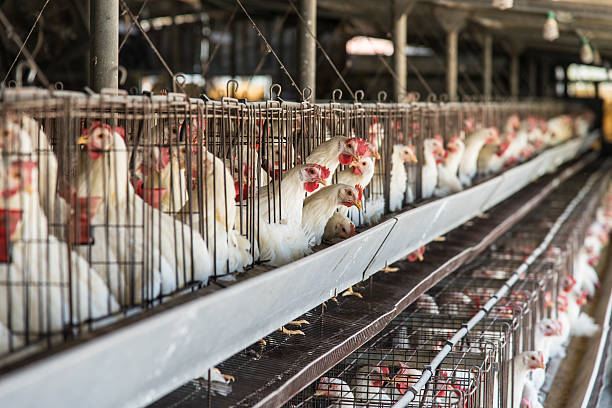
Modern metal chicken cages designed by Livi Machinery offer a game-changing alternative. Our galvanized steel Kuroiler grow-out and laying systems are rust-resistant, easy to clean, and built to last over 15 years—even in humid or dusty regions like Kisumu or Machakos. Elevated off the ground, these cages keep birds dry, reduce contact with droppings, and lower the risk of infections like coccidiosis or Newcastle disease.
We offer both cage-based and deep-litter systems depending on your scale and budget. For intensive commercial operations, multi-tier cage setups maximize space use and allow up to 3 times more birds per square meter compared to floor rearing. Each level includes automatic nipple drinkers and trough feeders, minimizing waste and ensuring even distribution of water and feed. Ventilation panels and roof insulation help regulate temperature naturally, reducing stress on the birds and improving weight gain.
When it comes to育雏 (brooding)—a critical phase for Kuroilers—we recommend starting chicks in pre-warmed, enclosed brooder houses equipped with infrared heaters, starter trays, and controlled lighting. Our brooding solutions ensure high survival rates during the first four weeks, setting the foundation for strong adult performance. Farmers who have adopted our integrated housing approach report up to 95% chick survival and earlier onset of lay—some hens begin producing eggs as early as 19 weeks!
Smart Feeding and Watering: Doing More with Less
Efficient resource management separates profitable farms from struggling ones. In Kenya, where feed accounts for over 70% of total production costs, cutting down on waste directly improves your bottom line. Unfortunately, many backyard farmers still rely on open trays and buckets that invite contamination, spoilage, and spillage.
Livi’s automated feeding and drinking systems solve these problems head-on. Our chain-feed lines deliver measured portions of feed evenly across all cages, reducing competition and preventing dominant birds from monopolizing food. The system operates manually or can be motorized for larger flocks, saving labor time and allowing farmers to manage hundreds or thousands of birds single-handedly.
Equally important is consistent access to clean water. Our nipple drinking systems prevent leakage while stopping birds from splashing water into bedding—a common cause of wet litter and respiratory issues. With adjustable height mechanisms, the drinkers grow along with the chickens, staying within optimal reach at every stage.
Beyond saving resources, these smart setups give farmers real-time insights into bird health. Sudden drops in feed or water intake often signal illness before visible symptoms appear. By monitoring daily consumption patterns, proactive farmers can detect outbreaks early and take action before losses mount.
From Day-Old Chicks to Market Ready: Supporting Full-Cycle Production
A complete poultry solution should cover every stage—from day-old chicks to point-of-sale preparation. While Kuroilers excel in dual-purpose performance (meat and eggs), achieving maximum returns requires careful planning through each lifecycle phase.
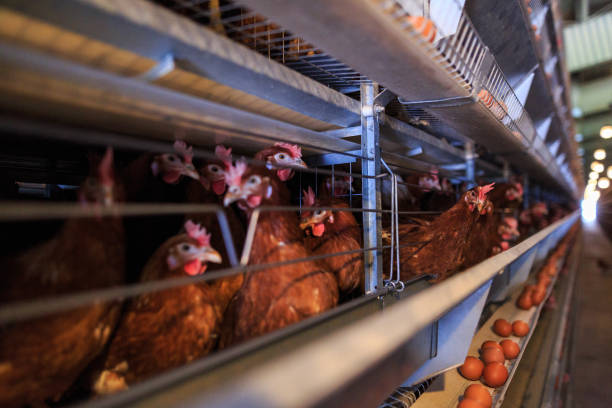
For egg production, our layer cages come with roll-out trays that gently guide eggs into collection belts, keeping them clean and unbroken. This not only reduces labor but also preserves egg quality during transport to urban markets like Nairobi or Mombasa. Automated manure removal belts further minimize cleaning workload and create opportunities to convert waste into organic fertilizer—a bonus income stream for eco-conscious farms.
On the meat side, proper weight management and low-stress handling ensure higher dressing percentages and better market prices. We advise farmers to separate male and female Kuroilers around week 6 since males grow faster and require different nutrition plans. Our heavy-duty finishing cages accommodate larger mature birds comfortably while supporting targeted feeding programs.
And let’s not forget about hatcheries. To maintain genetic quality and independence from external suppliers, some progressive Kenyan farmers are investing in small-scale incubators. Livi offers reliable, digitally controlled machines capable of hatching 128 to 1,500 eggs per batch, powered by solar-compatible units ideal for rural areas with unstable electricity. These enable farmers to produce their own replacement stock, recycle fertile farm-laid eggs, and even start side businesses selling day-olds locally.
Whether you’re managing 500 birds or scaling to 20,000+, our team provides end-to-end support—from site assessment and layout design to installation and training. We’ve helped dozens of Kenyan entrepreneurs transition from informal backyard setups to certified, export-ready operations. And because local conditions vary so much—from altitude in Nakuru to humidity in coastal regions—we customize every setup based on environment, climate, and business goals.
Ready to Build Your High-Performance Kuroiler Farm?
If you’re serious about turning Kuroiler farming into a steady, scalable source of income, the choice of equipment matters more than you think. Don’t leave your profits to chance with makeshift shelters and manual processes. Upgrade to a smarter, cleaner, and more productive system backed by proven engineering and real-world results.
At Livi Machinery, we’re not just equipment suppliers—we’re your partners in growth. With factories in Zhengzhou and strong shipping networks to Mombasa Port, we deliver affordable, container-ready poultry systems straight to your farm. No middlemen. No delays.
Want a free farm layout plan or quote tailored to your land size and budget? Leave your name, phone number, and number of birds you plan to raise, and one of our Kenya-based advisors will get back to you within 24 hours. Let’s build your dream poultry venture—together.
Frequently Asked Questions
What makes Kuroiler chickens special for Kenyan farmers?
Kuroilers are hybrid birds developed to thrive in tropical climates. They lay up to 200 eggs per year and reach slaughter weight faster than indigenous breeds. Plus, they scavenge well yet respond excellently to supplemental feeding, making them perfect for semi-intensive systems.
Can I use Livi cages for both layers and broilers?
Yes! Our modular designs allow conversion between laying and meat production modes. You can adjust spacing, feeder types, and cage tiers depending on your current flock needs—ideal for farmers rotating cycles.
Are these systems suitable for off-grid farms?
Absolutely. Many of our customers pair our equipment with solar-powered ventilation and lighting kits. We also offer manual options for feeding and egg collection if full automation isn’t feasible yet.
How do I prevent theft and predator damage?
All our cages are made from thick galvanized wire and come with secure locking doors. When combined with perimeter fencing and night-time enclosure, they provide excellent protection against rodents, mongooses, and human theft.
Do you offer after-sales support in Kenya?
Yes, we work with trusted technicians in major counties who provide installation, maintenance, and spare parts delivery. You’ll never be left stranded if something needs fixing.
Is assembly difficult?
Not at all. Most systems arrive pre-assembled or in labeled kits with easy-to-follow guides. One worker can set up a 1,000-bird unit in under three days without special tools.
Can I expand my system later?
Definitely. Our cages are designed to connect seamlessly, so you can add more sections as your business grows—no need to replace existing units.
How long does shipping take from China to Kenya?
Standard sea freight takes 28 to 35 days from Qingdao or Shanghai to Mombasa. We handle all documentation and customs coordination to make import smooth.
Do I need concrete floors for cage installation?
While concrete is ideal for hygiene and durability, you can install our cages on packed soil or raised wooden platforms if properly leveled and protected from moisture.
What’s the warranty on Livi poultry equipment?
We offer a 5-year structural warranty on all cages and frames, plus 1-year coverage on accessories like drinkers and feeders. Register your product online for full protection.