
Poultry Farmers Association of Ghana
Poultry Farmers Association of Ghana
When you’re running a poultry farm — whether it’s broilers, layers, or a hatchery setup — one thing every farmer knows is the power of community. In Ghana, that sense of unity and shared growth has found its voice through the Poultry Farmers Association of Ghana (PFAG). This organization isn’t just a network — it’s a lifeline for thousands of small, medium, and large-scale poultry producers across the country. From tackling feed costs to policy advocacy, from training programs to market access, PFAG plays a pivotal role in shaping the future of poultry farming in Ghana.
But what does this mean for you as a farmer? Whether you’re operating out of Ashanti, Greater Accra, or Northern Region, the association impacts everything from your operating costs to how resilient your business can be during tough times like disease outbreaks or supply chain disruptions. And with Ghana’s demand for chicken and eggs steadily climbing, being part of this network could be the smartest move you make this year.
The Role and Mission of the Poultry Farmers Association of Ghana
At its core, the Poultry Farmers Association of Ghana exists to empower farmers. It was formed to give poultry farmers a unified platform where they can speak with one strong voice to government agencies, financial institutions, and international partners. Before PFAG gained traction, many farmers operated in isolation, struggling with inconsistent policies, lack of funding, and rising production costs without any real support system.
Now, thanks to PFAG, things are changing. The association actively engages in lobbying for tax reductions on poultry imports to protect local producers. They’ve also advocated for subsidized feed programs, which is huge because feed accounts for over 70% of poultry production costs. Think about that — if you’re spending three out of every four cedis on feed, even a small reduction can significantly improve your profit margins.
Beyond policy work, PFAG offers training and education. They host workshops on biosecurity, modern housing systems, vaccination schedules, and record-keeping. These aren’t just classroom sessions — many include hands-on demonstrations at model farms. For newer farmers especially, this kind of mentorship can shorten the learning curve dramatically. Even experienced growers benefit by staying updated on new breeds, feeding strategies, and management tools that boost efficiency.
Another major focus is disease control. With avian influenza and Newcastle disease being constant threats, PFAG works closely with the Veterinary Services Directorate to roll out coordinated vaccination campaigns and rapid response strategies. Remember the 2019 bird flu outbreak? Farms that were connected to PFAG got timely updates and support much faster than those operating alone. That’s not just convenience — that’s survival in an industry where one week of downtime can wipe out months of profits.
How PFAG Supports Smallholder Farmers and Commercial Growers
One of the standout strengths of the Poultry Farmers Association of Ghana is how inclusive it is. You don’t need to run a 10,000-bird facility to benefit. In fact, PFAG places special emphasis on supporting smallholder farmers — those running backyard setups or semi-commercial operations. These farmers may only manage a few hundred birds, but collectively, they contribute massively to food security and rural employment.
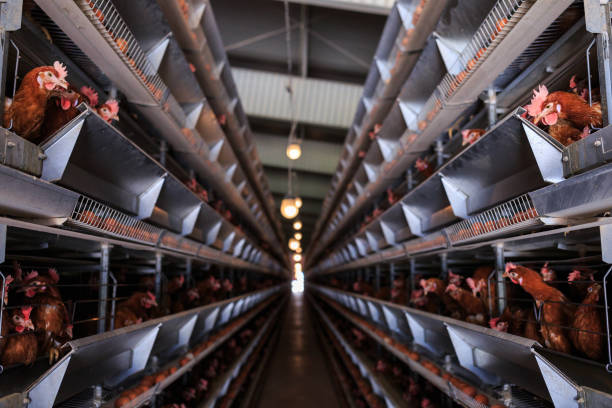
Through local chapters, PFAG connects small farmers with extension officers who visit farms, troubleshoot issues, and provide tailored advice. Want to switch from floor rearing to cage systems? Need help designing proper ventilation for your shed? There’s likely a PFAG-linked expert nearby who can guide you.
They’ve also helped establish group purchasing arrangements. Imagine getting layer feed or vaccines at bulk rates simply because you’re part of an association member group. Some regions have even started cooperative hatcheries, where members pool resources to hatch chicks and raise pullets together, reducing individual risk and cost.
For commercial operators, the benefits shift slightly but are no less impactful. Larger farms often deal with export regulations, traceability requirements, and scaling challenges. PFAG partners with organizations like GIZ and USAID to offer technical assistance in areas like quality certification and cold chain logistics. This opens doors to formal markets — supermarkets, hotels, institutional buyers — that might otherwise be out of reach due to compliance barriers.
In recent years, PFAG has also turned its attention to youth inclusion and gender equity. They’re running programs that train young people in modern poultry farming techniques and connect them with startup grants and low-interest loans. Women-led cooperatives are now receiving solar-powered incubators and mobile vet kits, helping bridge the gap in rural agribusiness participation.
Partnering with International Suppliers: Why It Matters
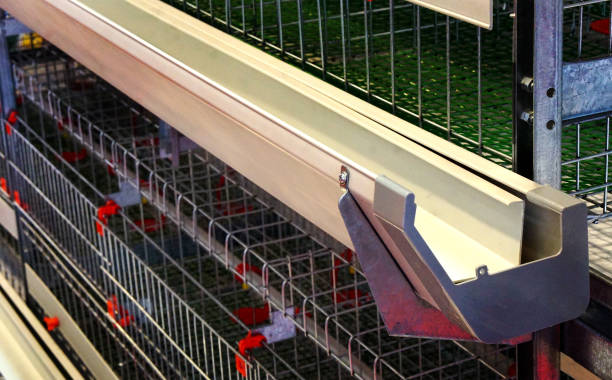
As Ghana’s poultry industry grows, so does the need for advanced equipment that boosts productivity while reducing labor and losses. This is where partnerships between PFAG and international suppliers like Zhengzhou Livi Machinery Manufacturing Co., Ltd come into play. Based in China and active since 2012, Livi specializes in full-cycle poultry solutions — automated chicken cages, brooder systems, egg collection belts, climate-controlled housing, and more.
Thanks to collaborations facilitated by PFAG, Ghanaian farmers now have better access to durable, intelligent poultry equipment designed for tropical climates. Equipment that used to take months to import and install can now be sourced through trusted channels with after-sales support. No more guessing whether the cage design suits your barn dimensions or if the feeder mechanism will jam in humid weather.
Livi’s involvement goes beyond sales. Their team offers site assessments, layout planning, and remote installation guidance — all coordinated through PFAG networks. And because they understand that upfront investment can be a hurdle, financing models are being explored through leasing and vendor-backed credit schemes, making automation more accessible than ever.
Think about upgrading from manual egg collection to automatic belt systems. Not only does that save hours of labor daily, but it also reduces egg breakage and contamination risks. Or consider switching to tunnel ventilation with cooling pads — a game-changer during Ghana’s hot dry seasons when heat stress can slash egg production by up to 30%. These aren’t luxuries; they’re strategic upgrades that pay off within two to three production cycles.
The key takeaway here? Being part of PFAG doesn’t just connect you with other farmers — it links you with global innovation. You gain visibility, credibility, and easier access to tools that help you compete in a fast-evolving market.
Join the Movement: Connect With Your Peers and Grow Smarter
If you’re still farming in isolation, you’re missing out. The future of poultry in Ghana isn’t just about raising birds — it’s about connecting, sharing knowledge, leveraging collective strength, and adopting smart technology. And the best way to tap into this momentum is by joining the Poultry Farmers Association of Ghana.
Membership is open to individual farmers, cooperatives, input suppliers, hatcheries, processors, and allied businesses. There’s no one-size-fits-all approach, which means you’ll get relevant benefits based on your operation size and goals. Plus, with regular newsletters, regional meetings, and WhatsApp groups buzzing with practical tips, you’re never alone in solving a challenge.
Now is the perfect time to act. PFAG is expanding its digital services, including a new online portal where members can track poultry prices, report disease cases, and access e-learning modules. Soon, there will even be an app that syncs with smart farm devices — imagine getting alerts on your phone when temperatures rise in your house or when feed levels run low.
Got questions about how to apply? Looking for contacts in your region? We’d love to help. Leave your name, location, and phone number below, and we’ll connect you with the nearest PFAG coordinator — plus send you a free checklist: “10 Must-Have Upgrades for Profitable Poultry Farming in 2024.”
Don’t grow in silence. Grow with support, intelligence, and community. Your next breakthrough starts with one connection.
Frequently Asked Questions
What is the Poultry Farmers Association of Ghana?
It’s a national body representing poultry farmers across Ghana. Its mission is to promote sustainable development in the sector through advocacy, training, disease control, and improved access to inputs and markets.
How do I join PFAG?
You can register at your regional agricultural office or through a local chapter leader. Membership usually requires a small fee and basic details about your farm type and size.
Does PFAG help with farm financing?
While they don’t lend money directly, PFAG partners with banks and microfinance institutions to create loan products specifically for poultry farmers. They also assist members with documentation and credit guarantees.
Can I get equipment through PFAG?
Yes. Through partnerships with companies like Zhengzhou Livi Machinery, members can source high-quality poultry equipment at group rates, often with installation support and maintenance packages.
Is PFAG only for large commercial farms?
Not at all. In fact, nearly 60% of members are small-scale or emerging farmers. Programs are designed to uplift everyone, regardless of farm size.
How does PFAG help during disease outbreaks?
They coordinate early warning systems, organize mass vaccination drives, distribute protective gear, and link affected farms with government response teams for compensation and recovery.
Are there women’s groups or youth programs?
Absolutely. PFAG runs dedicated initiatives for women entrepreneurs and young agripreneurs, offering training, starter kits, and networking opportunities to encourage inclusive growth.
Can I sell my produce through PFAG networks?
Indirectly, yes. While they don’t buy chickens or eggs directly, PFAG connects members with aggregators, processors, and retailers looking for consistent, quality supply from organized groups.
Do they offer training outside cities?
Yes. Mobile training units travel to rural districts, and local facilitators are stationed in key farming zones. Many sessions are offered in local languages for better understanding.
Is PFAG involved in export promotion?
Increasingly so. They’re working with the Ghana Export Promotion Authority to prepare farmers for international standards, especially for neighboring ECOWAS countries where demand for Ghanaian poultry is growing.