
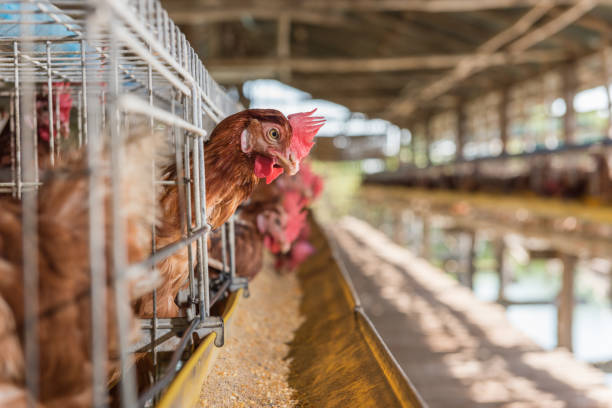
Poultry Farming Cage Systems in Uganda
Poultry Farming Cage Systems in Uganda
When it comes to modern poultry farming in Uganda, one thing is clear: efficiency and sustainability are key. Over the past decade, Uganda’s agricultural sector has seen steady growth, with poultry farming emerging as a vital part of food security and economic empowerment. More farmers—both small-scale and commercial—are turning to cage systems to maximize output while minimizing risks like disease, feed waste, and labor costs. If you’re exploring ways to upgrade your farm or start a new venture, understanding poultry farming cage systems in Uganda can be a game-changer.
In this article, we’ll walk you through the benefits of using poultry cage systems, the types ideal for Ugandan farms, how they’re adapted to local conditions, and why investing in smart, durable solutions can boost your bottom line. Whether you raise layers for eggs, broilers for meat, or chicks for breeding, choosing the right system makes all the difference.
Why Cage Systems Are Gaining Popularity in Uganda
Let’s face it—traditional free-range or deep-litter methods still dominate many parts of rural Uganda, but they come with serious limitations. Disease control, bird mortality, inconsistent egg production, and high feed consumption often eat into profits. Enter modern cage systems: a smarter, cleaner, and more organized way to manage poultry.
Cage systems offer better hygiene because droppings fall below the birds, reducing contact with waste and cutting down on diseases like coccidiosis and respiratory infections. With less disease pressure, you need fewer medications, which means healthier birds and lower input costs. You also save significantly on feed. In well-designed cages, each bird has its own feeding space, so there’s no pecking competition or wasted grain scattered across the floor.

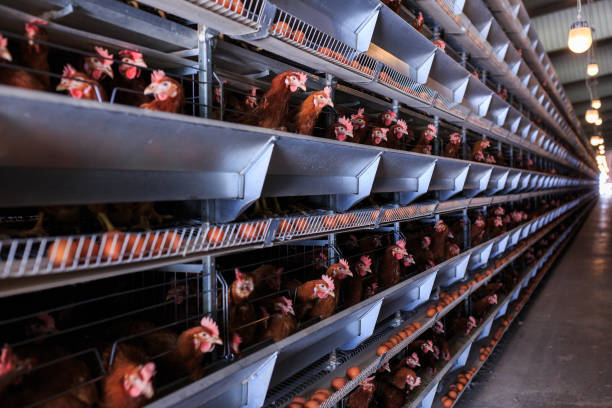
Labor is another big win. One person can easily manage thousands of birds in a tiered cage setup compared to walking long rows in floor-based houses. Plus, egg collection becomes faster and more efficient when hens lay in clean, sloped nests that funnel eggs gently out for easy gathering. For enterprising Ugandan farmers aiming to scale up without adding staff, automation features like automatic feeding, drinking, and manure removal systems make cage farming even more appealing.
But what about initial costs? It’s true that installing a cage system requires an upfront investment—but think long-term. A quality galvanized steel cage from a trusted supplier like Livi lasts over 15 years. Factor in higher survival rates (often above 90%), improved feed conversion ratios, and consistent egg yields, and the return on investment starts looking very attractive within just one or two production cycles.
Different Types of Poultry Cages for Ugandan Farms
Not all cage systems are created equal—and not every type fits every farm. The good news? There’s a solution for almost every need, whether you’re running a backyard setup or managing a 10,000-bird commercial operation.
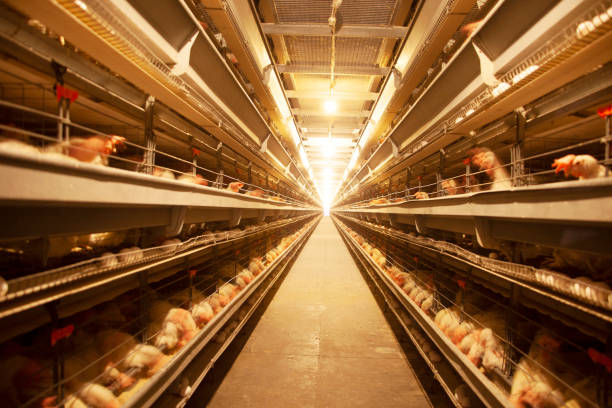
For layer hens (egg producers), the most common choice is the three-tier battery cage system. These are compact, space-efficient, and designed to support natural behaviors like perching and laying in privacy. Each unit typically holds 4–6 hens and includes integrated feeders, drinkers, and sloped wire mesh floors that let droppings drop through. We’ve seen many medium-sized farms in Wakiso, Mbarara, and Jinja adopt these systems successfully—even under high humidity and variable power supply conditions.
Broiler (meat chicken) cages are less common but gaining interest among progressive farmers who want to avoid leg injuries and breast blisters from prolonged floor contact. While broilers grow fast and spend only 5–8 weeks in the house, raised cage systems help maintain better litter quality and reduce ammonia buildup. Some farmers use modified grower cages originally meant for pullets, adjusting spacing and ventilation to suit heavier birds.
Then there’s the育雏笼—or chick rearing cages—for day-old chicks. These mini-systems keep young birds warm, protected, and away from predators and drafts. Equipped with heat lamps, automatic water lines, and fine-grid flooring,育雏笼 drastically improve chick survival rates during the critical first few weeks. Many hatcheries around Kampala now use multi-tier育雏笼 systems to handle large batches efficiently before transferring chicks to growers.
Finally, automated systems deserve a special mention. Though still rare outside major agro-companies, fully automatic setups—complete with conveyor belts for eggs, centralized feeding, and digital monitoring—are beginning to pop up in Central and Western Uganda. As electricity access improves and tech literacy grows, automation will likely become standard rather than luxury.
Customizing Cage Systems for Uganda’s Unique Environment
You might wonder: do imported cage designs really work here? After working with dozens of Ugandan clients, we’ve learned that off-the-shelf models don’t always fit local realities. That’s why customization matters.
First, consider climate. Uganda sits near the equator, meaning year-round warmth and seasonal humidity spikes, especially in areas like Busia and Tororo. Poor ventilation leads to heat stress, reduced appetite, and lower egg production. So we recommend cages with wide mesh spacing and vertical airflow design, plus roof insulation and side curtains in the housing structure. Tunnel ventilation or fans paired with evaporative cooling pads work wonders in hot zones.
Second, power reliability varies across regions. While urban farms may run smooth on solar hybrids or generators, rural operations need systems that function manually when needed. Simpler gravity-fed watering systems, hand-operated feed racks, and manual egg collection trays ensure continuity even during blackouts.
Third, transportation and installation logistics play a role. Many farms are located on rough roads where large trucks can’t reach. That’s why we offer modular cage kits—flat-packed, lightweight, yet sturdy once assembled. Farmers love them because they can be installed by local technicians with basic tools.
We also tailor cage dimensions based on available building size. Whether you’re converting an old hall into a poultry unit or constructing a new shed, we help plan layout efficiency—how many tiers, how much walkway space, where to place manure belts or lighting—to get maximum capacity without sacrificing comfort or care.
And let’s talk about durability. Rust is a real threat in humid areas. That’s why all Livi cages use hot-dip galvanized steel, not just painted iron. This coating resists corrosion for years, ensuring your equipment lasts through rain seasons and keeps performing.
Making the Switch: Tips for Getting Started
If you’re ready to make the move to cage farming, start smart. Begin with a pilot section—convert one room or house first. Try out a 500-bird layer cage system and monitor results for at least two cycles. Track feed use, egg production, mortality, and labor time. Compare those numbers to your previous method—you’ll be shocked at the improvement.
Next, partner with a manufacturer who understands African farming realities. Look beyond price—ask about after-sales service, spare parts availability, and training. At Livi, we don’t just ship containers; we guide you from site planning to final handover, including worker training and ongoing support via phone or WhatsApp. Our team has helped farms from Fort Portal to Soroti upgrade their systems—and succeed.
Also, consider future expansion. Design your setup with scalability in mind. Leave space between rows for cleaning machines later, pre-wire for lights and sensors, and choose cage styles that stack vertically as you grow. Smart planning today saves costly redesigns tomorrow.
One last tip: connect with other cage farmers. Join poultry groups on Facebook or attend events like the Uganda Poultry Show in Entebbe. Hearing firsthand experiences—from challenges to breakthroughs—can give you confidence and ideas you won’t find in manuals.
Ready to take your poultry business to the next level? Let’s talk. Share your farm size, goals, and current challenges with us—we’ll help you design a cage system that fits your budget, land, and ambitions. Fill out our contact form or send a message today, and we’ll get back to you with a free layout proposal and pricing options tailored for Uganda.
Frequently Asked Questions (FAQ)
What’s the cost of a poultry cage system in Uganda?
Prices vary depending on size and automation level. A basic 500-bird layer cage system starts around UGX 12–15 million. Fully automated units cost more but reduce long-term operating expenses.
Are poultry cages suitable for small-scale farmers?
Absolutely. Smaller cage units exist for 50–200 birds and fit nicely in backyard setups. They bring the same benefits of cleanliness and productivity, just on a smaller scale.
How long do chicken cages last?
High-quality galvanized cages, like those from Livi, last 15+ years with proper maintenance. Cheaper painted or thin metal options may rust within 3–5 years.
Can I install the cages myself?
Yes, especially with modular designs. Most units come with instructions and require only basic tools. We also provide video guides and on-site support if needed.
Do cage systems work during power outages?
Manual versions run fine without electricity. Even automatic systems can include backup options like solar-powered pumps or gravity-fed water lines to stay functional.
Which is better: flat deck or colony cages?
Flat deck cages (smaller groups per compartment) are easier to manage and widely used. Colony cages (larger pens with enriched features) allow more movement but need careful flock behavior management.
How many birds can fit in one cage?
Layer cages usually hold 4–6 hens. Brooder cages accommodate 30–50 chicks depending on age. Density should follow welfare standards—never overcrowd.
Do caged birds produce more eggs?
Yes. Hens in good cage systems experience less stress, better nutrition, and fewer diseases—leading to consistent laying patterns and longer productive life.
Where can I buy reliable poultry cages in Uganda?
While local suppliers exist, many farmers import directly from trusted manufacturers like Livi in China for better prices and quality. We ship to Mombasa port and arrange inland delivery to Uganda.
Can the cages be repaired locally?
Minor fixes like replacing a feeder or tightening wires can be done locally. Major structural issues are rare due to durable materials, but we stock spare parts and ship replacements quickly.