
Poultry Farming in Kenya: Complete Manual Guide
Poultry Farming in Kenya: Complete Manual Guide
Kenya has one of the fastest-growing poultry industries in East Africa, driven by rising population, urbanization, and increasing demand for protein-rich diets. Whether you’re a smallholder farmer or an agribusiness investor, starting a poultry farm in Kenya can be highly profitable—when done right. However, the difference between success and failure often lies not just in capital but in knowledge, planning, and access to reliable equipment and systems. At Livi Mechanical Manufacturing, we’ve worked with Kenyan farmers for over a decade to provide smart, durable poultry farming solutions that stand up to local conditions. In this comprehensive guide, we’ll walk you through everything you need to know—from choosing the right production system to managing feed, health, and market access.
Types of Poultry Farming Systems You Can Choose
There are several types of poultry farming methods used in Kenya, each suited to different goals and resources. The most common include layer farming (for eggs), broiler farming (for meat), indigenous chicken farming, and semi-intensive backyard systems. Commercial farms today mostly focus on hybrid layers and fast-growing broilers because of their high productivity and shorter return on investment.
Layer farming is ideal if you want steady income from egg sales. A single commercial layer hen can produce 280–320 eggs per year when managed well. Broiler farming, on the other hand, gives quicker turnover—birds reach market weight in just 5 to 6 weeks. But it requires strict biosecurity and precise feeding schedules. Indigenous chickens are popular among rural households due to their hardiness and ability to scavenge, but their low egg production and slow growth make them less viable for large-scale operations.
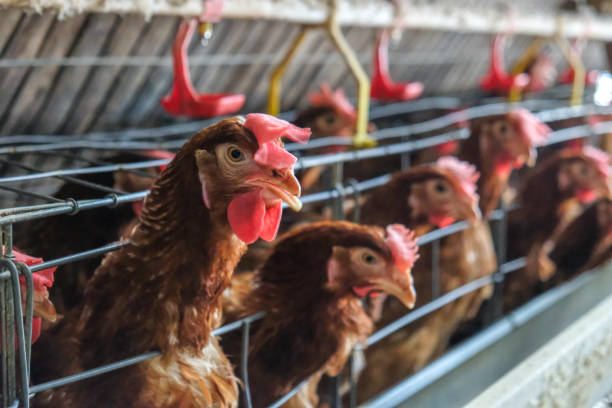
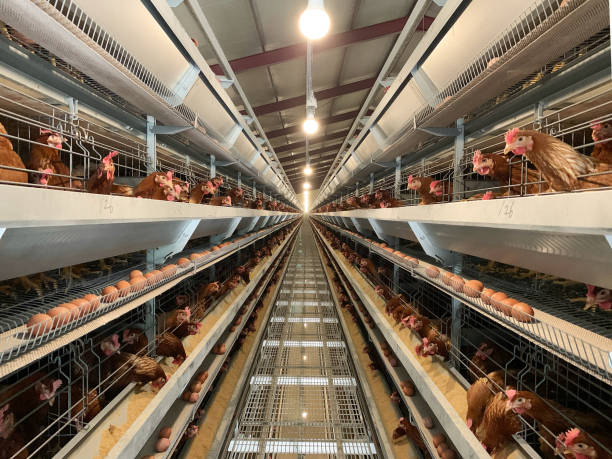
The system you choose will depend on your budget, land availability, labor, and target market. For example, cage systems like those made by Livi allow farmers to raise more birds in less space while improving sanitation and reducing disease risks. Our automatic egg collection cages mean fewer broken eggs and less labor. If you’re just starting out, consider beginning with a starter flock of 200–500 birds using improved breeds before scaling up.
Setting Up Your Poultry House: Location, Structure, and Equipment
Location matters more than many new farmers realize. Pick a site away from residential areas where noise and odor won’t cause issues. It should have good road access for deliveries and off-take, be elevated to avoid flooding, and ideally face east-west to minimize direct sunlight during peak heat hours.
When building your poultry house, aim for ventilation first. Poor airflow leads to respiratory diseases and stress in birds. Use ridge vents, side curtains, or exhaust fans depending on your climate. In hot regions like Machakos or Kitale, cooling systems such as misters or shade nets help maintain bird comfort. Our specially designed chicken cages come with wire mesh spacing that ensures optimal air circulation around each bird.
Next, invest in quality housing infrastructure. Deep litter systems require dry bedding materials like wood shavings or rice husks, which must be changed regularly. Cage systems save space and reduce parasite infestations. Livi’s full-line range includes breeding cages, brooder cages, gestation cages, and automated laying nests—each tailored to support specific life stages of your flock.
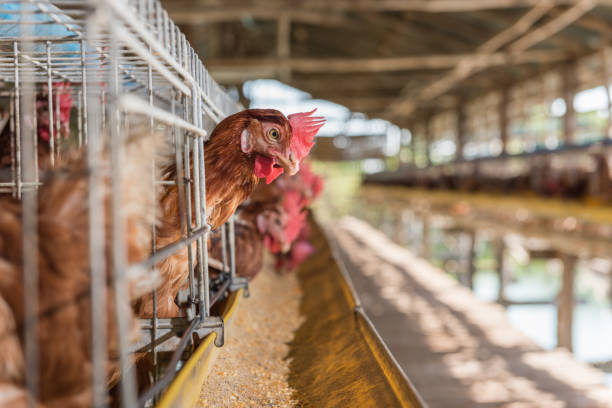
Don’t overlook essential accessories: feeders, drinkers, lighting, and temperature control devices. Automated feed lines and nipple drinkers cut down waste by up to 30% compared to manual feeding. We’ve seen many Kenyan farms increase survival rates simply by switching to enclosed watering systems that keep water clean and constant.
In short, a well-designed poultry house pays dividends. Think long-term: spend a little extra now on sturdy, rust-resistant materials and automation, and you’ll save thousands in maintenance and veterinary costs down the line.
Daily Management, Feeding, and Disease Prevention Tips
Even the best infrastructure means nothing without solid daily management. Start by establishing routines. Feed times, cleaning schedules, light exposure—all should follow a consistent pattern. Layers need 14–16 hours of light per day for maximum egg output. Timers on LED lights can automate this easily.
Now let’s talk feed—the biggest operational cost in poultry farming. Many Kenyans still rely on unbalanced homemade rations, which lead to poor growth and weak immunity. Instead, use scientifically-formulated feeds from reputable suppliers. Layer mash should contain 16–18% protein; broiler finisher feed needs around 18–20%. Consider supplementing with calcium sources like oyster shell grit for stronger eggshells.
Always store feed in sealed containers off the ground to prevent mold and rodent damage. One sack of feed lost to rats or moisture is money wasted—and could harbor pathogens.
Health management is non-negotiable. Vaccinate early against key diseases: Newcastle, Gumboro, Fowl Typhoid, Infectious Bronchitis, and Marek’s disease. Work with a vet to create a vaccination schedule based on your region’s risk profile. Keep detailed records of medication and mortality rates—it helps catch outbreaks early.
Biosecurity is critical. Limit visitors, disinfect boots and equipment, and quarantine any new birds for at least two weeks. Separate age groups—never mix chicks with adult hens—as younger birds are far more vulnerable.
We’ve supported farms across Kenya in transitioning from open, unprotected coops to hygienic, enclosed units with controlled access. The drop in mortality rates? As high as 60% within six months. Healthy birds grow faster, lay more, and bring better prices at market.
How to Market Your Eggs or Chicken and Scale Profitably
You can run the most efficient farm in Kenya, but if you don’t sell what you produce, profits stall. So think about your market early. Ask yourself: Are you selling locally to neighbors? Supplying schools, hotels, or supermarkets? Or aiming for export hubs like Dubai via Mombasa port?
Local markets are easier to penetrate. Sell at village markets, set up roadside stalls near busy roads, or partner with mama mboga vendors. For bulk buyers, offer weekly delivery contracts. Some cooperatives negotiate group pricing with hatcheries and transporters—check if there’s one near you.
Branding adds value. Simple things like labeling your eggs with your farm name, logo, and “farm fresh” taglines build trust. Organic or free-range labels command higher prices in Nairobi and Kisumu if backed by real practices.
As you grow, automation becomes essential. Hand-feeding 1,000 birds is feasible; doing it for 10,000 isn’t. That’s why progressive Kenyan farmers turn to systems like Livi’s automatic feeding and manure removal conveyors. These reduce labor needs and improve uniformity in feed distribution. One customer in Nakuru saved over KSh 70,000 monthly after automating feeding and egg collection.
Want to go even bigger? Integrate vertically. Raise your own breeders, hatch chicks on-site with our incubators, and supply point-of-lay pullets to other farmers. This locks in profit margins at every stage of the chain.
Remember, sustainable success comes from combining good animal husbandry with business sense. Track input costs, monitor feed conversion ratios (FCR), calculate break-even points, and adjust quickly when needed.
Ready to take your poultry farming to the next level? Whether you’re designing your first coop or upgrading an existing setup, having the right equipment makes all the difference. Contact us today with your farm size, location, and goals—we’ll help you design a complete solution customized for Kenya’s unique environment. Just leave your phone number or email, and one of our experts will call you back with options, pricing, and real farmer references from your region.
Frequently Asked Questions
What is the most profitable type of poultry farming in Kenya?
Broiler farming offers quick returns with birds ready for market in under two months, while layer farming provides ongoing income from daily egg sales. Both can be highly profitable with proper management.
How much does it cost to start a small poultry farm in Kenya?
A basic 500-bird layer project costs between KSh 300,000 and KSh 500,000, covering housing, cages, feeders, chicks, and feed. Broiler setups are slightly cheaper due to shorter cycles.
Where can I get high-quality day-old chicks in Kenya?
Reliable hatcheries include Kenya Highlands Breeding Company (Kevian), Ross Breeders, and Grand Valley Poultry. Always inspect chicks for alertness, clean navels, and uniform size.
How do I prevent diseases in my flock?
Vaccinate regularly, keep coops clean, ensure proper ventilation, avoid overcrowding, and practice strict biosecurity. Quarantine sick birds immediately.
Can I use cage systems for indigenous chicken farming?
Yes, though free-range systems are traditional, modern cage setups improve egg collection efficiency and protect birds from predators and parasites.

What kind of feed should I give my layers and broilers?
Layers need high-calcium, moderate-protein feed (16–18%) for strong shells. Broilers require high-energy, high-protein feeds (up to 22% in starter phase) for rapid growth.
Do automated systems work well in rural Kenya?
Yes—our solar-compatible auto-feeders and egg belts operate reliably even in off-grid areas. Many farms use battery backups and manual override features.
How long does it take for a broiler to reach market weight?
Commercial broilers reach 2–2.5 kg in 5–6 weeks when fed properly and kept in optimal conditions.
Can I expand my farm gradually?
Absolutely. Most successful farms start small, reinvest profits, and scale over time. Automation kits can be added incrementally.
Is poultry farming affected by seasonal changes in Kenya?
Extreme heat reduces appetite and egg production. Cold nights affect chick survival. Using insulated houses, cool roof paints, and heaters/lamps helps stabilize performance year-round.