
Poultry Farming Training in Kenya | Livi Machinery
Poultry Farming Training in Kenya | Livi Machinery
Kenya’s poultry sector is booming — and for good reason. With rising urban demand for eggs and chicken meat, supportive government policies like the Kenya National Poultry Development Strategy, and increasing youth interest in agribusiness, more farmers are stepping into poultry farming than ever before. But here’s the truth many new entrants don’t hear early enough: owning cages and chicks isn’t the same as running a profitable, sustainable farm. That’s where hands-on, practical poultry farming training makes all the difference — and that’s exactly what Livi Machinery offers, right on the ground in Kenya.
We’re not consultants who fly in, deliver a PowerPoint, and leave. We’re a China-based manufacturer with over 12 years of real-world experience building and deploying poultry equipment across Africa — including Kenya, Uganda, Tanzania, Nigeria and South Africa. Since 2012, our team has installed over 280 poultry farms in East Africa alone, and every single one started with training. Why? Because we’ve seen too many farms fail not from poor equipment, but from gaps in daily management — things like improper chick temperature control, inconsistent feeding schedules, poor ventilation planning, or misusing automated egg collection systems. So when we say “poultry farming training in Kenya”, we mean actionable, site-specific, equipment-integrated learning — delivered in English or Swahili, adapted to smallholder, medium-scale, and commercial setups.
What Makes Our Poultry Training Different
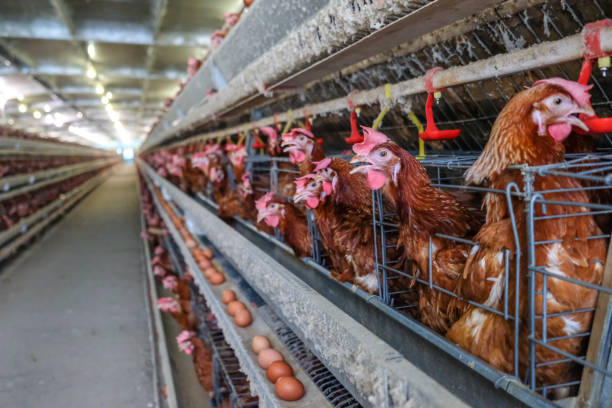
Let’s be clear — there’s no shortage of online courses or generic workshops out there. Ours stands out because it’s built around real equipment, real challenges, and real results. Our training isn’t theoretical — it’s held either at our Nairobi demonstration farm (complete with fully operational layer and broiler houses) or directly on your land, using your actual setup. We cover four core pillars:
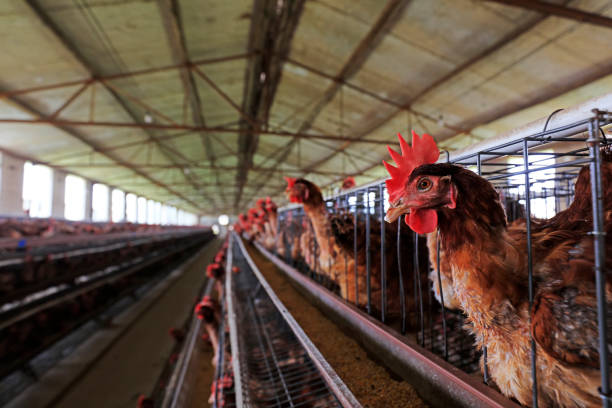
First, system selection & farm layout design. We walk you through cage types — whether wire mesh vs. galvanized steel, why our hot-dip galvanized egg cages last 15+ years in Kenya’s humid coastal zones, and how to position fans, nests, and manure belts for maximum airflow and hygiene. No guesswork. Just science-backed spacing guidelines adjusted for your location (e.g., higher ceiling needed in Makueni vs. cooler highlands like Nyeri).
Second, day-to-day flock management — the part most trainings skip. You’ll learn how to spot early signs of heat stress in Kienyeji birds, adjust feed ratios based on local maize and soya meal prices, monitor water consumption trends (and what sudden drops really mean), and troubleshoot common health red flags before they become outbreaks. Bonus: we share free WhatsApp-based monitoring templates (in Swahili & English) that thousands of Kenyan farmers use daily.
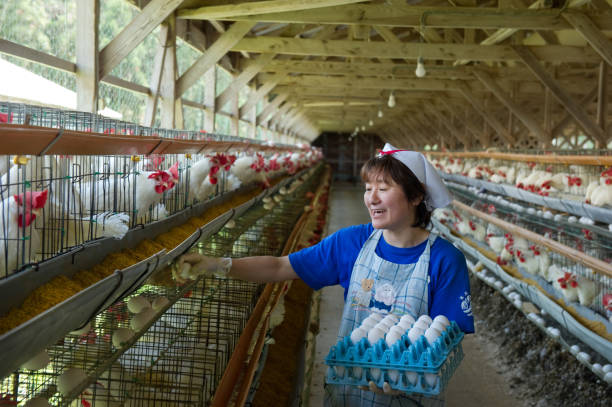
Third, equipment operation & maintenance, tailored to the Livi systems you’re using — or plan to buy. Whether it’s resetting the timer on your automatic feeder, cleaning the egg conveyor belt without damaging the rubber coating, or calibrating the incubator’s humidity sensor during rainy season, our technicians show you exactly how — slowly, repeatedly, until it clicks. And yes, we give you printed checklists in Kiswahili so your farm manager can run things smoothly even when we’re not around.
Fourth, profitability & record-keeping. We teach you how to calculate true cost per kilo — factoring in feed wastage, mortality, vaccine spoilage, labour hours, and cage depreciation — not just “what you spend”. You’ll practice building simple Excel sheets (we provide the templates), and learn low-tech alternatives for farms with no internet. Real talk: many farmers think they’re making money until they see their actual feed conversion ratio (FCR) charted over 6 weeks — and that moment often triggers smarter decisions.
Training That Grows With Your Farm
One thing we hear again and again from farmers in Nakuru and Kakamega: “The training helped us start, but what about scaling up?” So we designed our programme to grow with you. New farmers begin with our 3-day intensive “Start Smart” course covering chick brooding, water system setup, and basic biosecurity. After six months, they’re invited to our “Scale Up Saturday” sessions — half-day field days focused on automation integration, contract farming negotiations, or egg grading compliance for supermarket supply.
And for cooperatives and county extension officers? We co-facilitate multi-farm training clusters. Last year in Busia County, we trained 37 smallholders together — sharing manure composting techniques, pooling vaccine orders to reduce costs, and setting shared delivery schedules to Mombasa markets. That kind of practical, peer-supported learning sticks far longer than any lecture.
Plus, all trainees get post-training support: a dedicated WhatsApp group with a Livi farm advisor (available Mon–Sat, 6am–8pm), free access to our monthly “Ask the Vet” live Q&A on Facebook, and priority response for technical issues — even if your equipment was bought three years ago. Because to us, training isn’t an event — it’s the first step in a long-term partnership.
Ready to Build Confidence, Not Just Cages
If you’re reading this, you’re probably weighing options — maybe comparing training providers, wondering if it’s worth the time and investment, or unsure whether your current setup is holding you back. Here’s what past participants say: “Before Livi training, I lost 42% of my first broiler batch. After the 3-day course and follow-up visits, my mortality dropped to under 6% — and my feed costs went down 18%.” Or this one from Kiambu: “They didn’t just tell me what to do — they sat with me while I adjusted my drinker height twice, then checked again the next morning. That’s the difference.”
We know poultry farming in Kenya isn’t easy — between erratic power, transport delays, seasonal disease pressure, and fluctuating input costs, it takes grit and guidance. Our training isn’t about turning you into an expert overnight. It’s about giving you the confidence to act, the clarity to troubleshoot, and the tools to scale — all backed by equipment that’s proven to withstand the dust of Kitui, the humidity of Kwale, and the high altitude of Kericho.
So if you’re serious about raising healthier birds, cutting losses, and building a farm that earns consistently — not just survives — let’s talk. Drop us a message today with your name, location (county/town), current flock size (or target), and whether you’re starting fresh or upgrading. We’ll send over a free farm-readiness checklist + schedule a no-pressure 20-minute call to map out what training fits your goals. Let’s build something sustainable — together.
Frequently Asked Questions
Do you offer training in Swahili?
Yes — all our core modules are available in both English and Swahili. Our trainers are bilingual, and all handouts, videos, and checklists come in both languages. We even adapt examples to local contexts — like using KARI Kienyeji instead of Cobb 500 when illustrating vaccination schedules.
Is the training only for people buying Livi equipment?
Not at all. While many attendees go on to install our systems, we welcome all poultry farmers — regardless of cage brand. In fact, we often help diagnose and optimise existing setups (even second-hand cages or homemade sheds). The focus is on practical skills, not sales.
How much does the training cost?
Our 3-day “Start Smart” course starts at KSh 8,500 per person. Group rates (5+ farmers from same coop/area) and county government-sponsored slots are available — and we never charge for follow-up WhatsApp support or live Q&As.
Can you train staff who don’t read well?
Absolutely. We use visual demos, colour-coded charts, audio voice notes, and hands-on practice — no heavy reading required. Many of our most successful trainees rely entirely on video walkthroughs and on-farm shadowing.
Do you provide certificates?
Yes — all participants receive a stamped, bilingual certificate of completion signed by our Nairobi-based farm training coordinator. Some counties accept these for grant applications and cooperative registration.
What happens if I need help after training?
You’ll join our private WhatsApp support circle with direct access to a Livi farm advisor. Most queries get resolved within 4 hours on weekdays — and urgent issues (like sudden mortality spikes or incubator failure) receive immediate voice-call support.
Can you train on my existing farm — even if it’s not using Livi cages?
Yes — and we encourage it. Seeing your actual environment helps us tailor advice. We’ll assess airflow, lighting, drainage, stock density, and biosecurity gaps — then co-create actionable steps — no hard sell involved.
How often do you run training sessions in Kenya?
We hold open-enrolment sessions every month in Nairobi, and custom sessions almost weekly across major poultry regions: Naivasha, Meru, Kisumu, Embu, and Mombasa. Just let us know your preferred timing and size.
Do you work with women’s groups and youth groups?
Yes — and we actively prioritise them. Over 65% of our 2023 trainees were women-led farms or youth agri-entrepreneurs. We offer flexible scheduling, childcare support coordination (where possible), and simplified financing referrals.
Is accommodation included?
For Nairobi-based sessions, we partner with affordable guesthouses near our demo farm — and can book rooms at discounted group rates. For rural sessions, we help coordinate logistics with local partners. Just ask!