
How to Compare 4-Tier Chicken Cage Systems for a 10,000-Layer Kenya Project Before Deciding
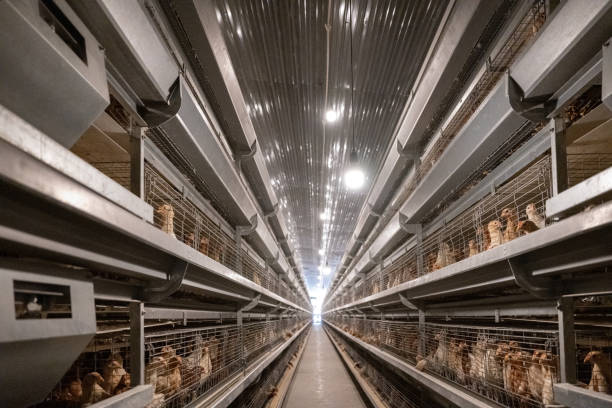
A 4-tier chicken cage layout for 10,000 layers in Kenya should be selected by poultry house dimensions, power reliability, house type, and labor plan. The LIVI H1200 layer stacked system is a reference configuration, not a final design.
Quick Answer: 4-Tier Chicken Cage System for 10,000 Layers in Kenya
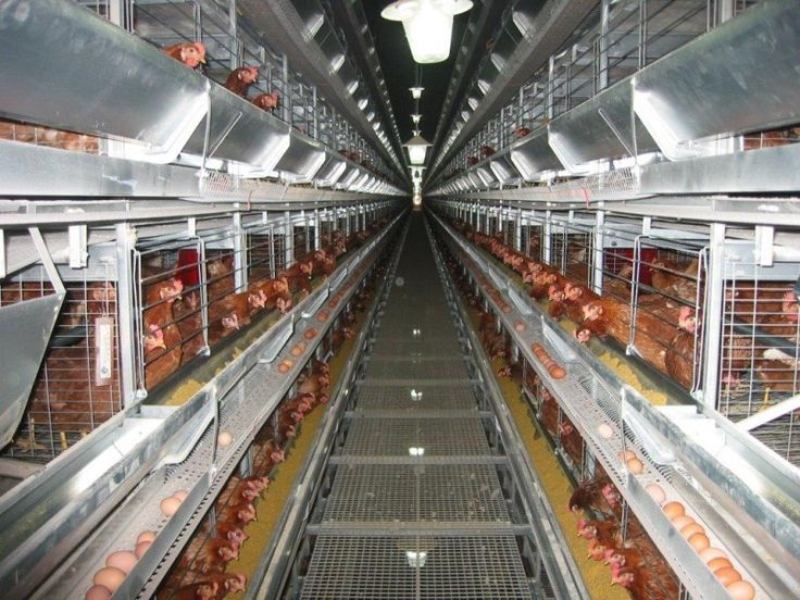
A 4-tier layout is one possible configuration within the LIVI H1200 range, which lists 3–12 tiers. For 10,000 layers, exact row count, unit quantity, house length and width, ventilation, power and water must be confirmed before equipment selection. The H1200 can include automatic feeding, high-configuration automatic drinking, flat-belt plus transverse/inclined manure removal, and automatic egg collection. The model is listed for farms above 10,000 layers, so a 10,000-layer project must be reviewed at the boundary.
Confirm a 4-Tier Cage Layout for 10,000 Layers
Send your available chicken house length, width, power supply and target automation level so LIVI can check the H1200 cage configuration against your Kenya site.
Why Project Conditions Must Come Before a 4-Tier Cage Decision
For a 10,000-layer commercial flock, labor, egg collection, manure control, power reliability and house type affect whether a 4-tier H1200 configuration is practical. H1200 can be used in open, semi-open and enclosed poultry houses, but ventilation must match Kenya climate and house design. Many medium-scale farms in developing countries rely on natural airflow through open sheds before moving to mechanized ventilation Poultry housing and management in developing countries. A supplier comparison should include cage frame material, wire diameter, feeding and drinking systems, manure removal frequency, egg breakage/feed loss expectations and optional environmental control.

H1200 4-Tier Layer Cage System Specification Reference
| Item | Verified H1200 / LIVI Configuration |
|---|---|
| Model and bird type | H1200, layer chicken |
| Tier range | 3–12 tiers; verify 4-tier fit against house dimensions |
| Capacity reference | 8–9 birds per tier; 108/144/180 birds per unit depending configuration |
| Unit dimensions | 1200*625*480; door count: 2 |
| Frame and surface | 2mm frame thickness, zinc-aluminum-magnesium + hot-dip galvanized, one-piece forming; wire diameter 2.3–3.6mm |
| Feeding and drinking | Automatic traveling feed hopper; high-configuration automatic drinking |
| Manure removal | Flat-belt plus transverse/inclined removal; once daily |
| Egg collection | Egg collector or egg collector + central collection |
| House type | Open, semi-open, enclosed; optional ventilation/temperature, lighting, alarm, feed silo |
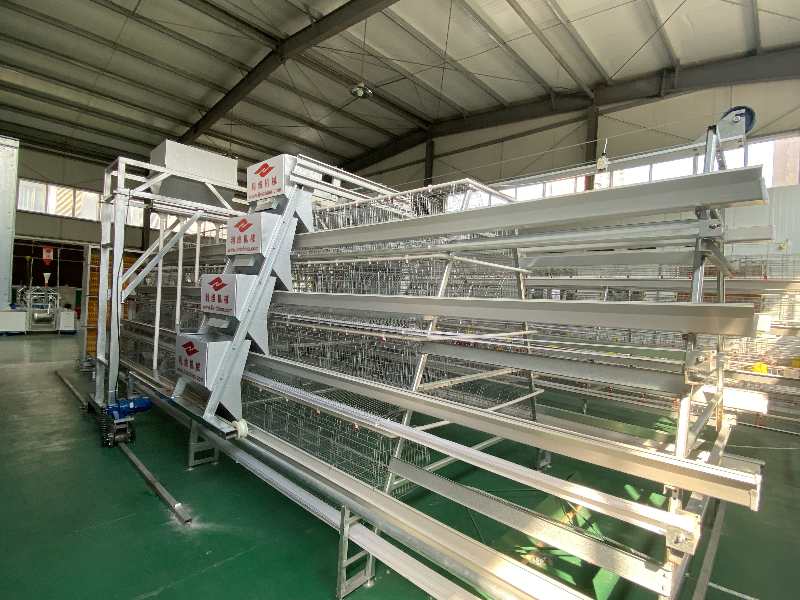
During selection, also check the working components behind the cage frame. The automatic traveling feed hopper uses a 3.0mm zinc-aluminum-magnesium bent frame, a 1.0mm hopper and a 0.75kw geared motor, with adjustable feed levelers and return-feed blocks. The manure belt is 1.2mm polypropylene, and the egg belt is a polypropylene knitted belt with cleaning brushes and a tensioning device. These details affect feed loss, manure handling and egg breakage before automation begins.
Planning Scenario: What Still Must Be Validated
This is a planning scenario, not a delivered project or customer performance result. The H1200 reference suits farms above 10,000 layers, but the 10,000-layer target may be just at the boundary. Final unit count depends on chosen capacity per unit and layout. Before selection, confirm chicken house dimensions, local house type, power reliability, water supply, ventilation design and desired automation level.
Transport, Site Readiness and Climate Fit
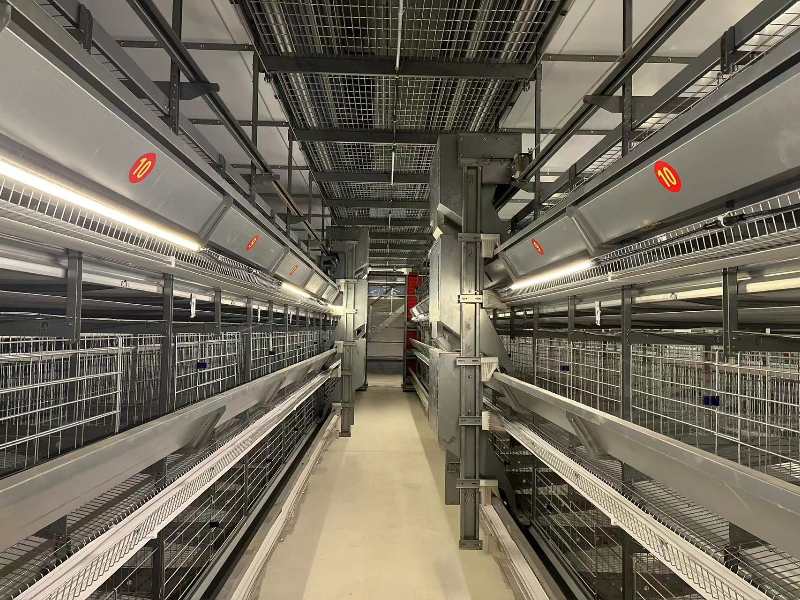
LIVI can support export container loading and packaging for long-distance delivery; a Kenya project should confirm port delivery, inland transport and site access before comparing cage prices. Chicken house length, width, foundation, power, water, drainage and ventilation openings affect how many 4-tier H1200 rows can be installed. For Kenya climate, confirm whether open, semi-open or enclosed house is planned, and whether ventilation/cooling, generator backup and alarm systems are needed. As production moves to larger scale, automated ventilation becomes more important Management and housing | Gateway to poultry production and products | FAO.

Compare Cage System Options Without Guesswork
Share your 10,000-layer project plan, house type and climate conditions, and LIVI will prepare a technical equipment selection for further evaluation.
LIVI Capability Checklist
- Design — standard solution design lead time 5–7 working days; complete-house customization 10–15 working days.
- Production — 50 mu production base, about 33,000 m²; 20,000+ layer cage sets annual capacity, 40,000+ sets maximum annual delivery; 1,000+ completed projects, largest scale 200,000 layers.
- Equipment — H1200 standard configuration links cage structure with automatic feeding, drinking, manure removal and egg collection; optional feed silo, lighting, alarm and ventilation/temperature system.
- Experience — served 100+ countries; visited more than 1,000 large-scale poultry farms.
- Installation and after-sales — online remote guidance, senior engineer on-site support, 13 overseas installation teams; after-sales response within 48 hours.
Installation and Commissioning Steps
- Submit house dimensions, house type, power, water and target automation level.
- Request a technical layout to check whether a 4-tier H1200 arrangement fits; confirm row and tier count before order.
- Confirm feeding, drinking, manure removal, egg collection and optional environmental control.
- Prepare foundations, drainage, power and water according to confirmed drawings.
- Use drawings, video guidance, remote support and on-site engineer assistance for larger projects.
- Commission systems, test operations, train workers and set daily maintenance.
FAQ
Is a 4-tier chicken cage system suitable for 10,000 layers in Kenya?
A 4-tier layout is possible within the H1200 3–12 tier range, but depends on house width, length, ventilation and power. H1200 is listed for farms above 10,000 layers; at 10,000 layers, exact cage rows and units must be technically confirmed. Request a layout based on house dimensions instead of assuming 4 tiers.
What H1200 specifications should I compare for a 10,000-layer Kenya project?
Compare 8–9 birds per tier, 108/144/180 birds per unit, unit dimensions 1200*625*480, door count 2, 2.0mm frame thickness, zinc-aluminum-magnesium + hot-dip galvanized material, and wire diameter 2.3–3.6mm. Also compare automatic feeding, high-config automatic drinking, flat-belt plus transverse/inclined manure removal, and automatic egg collection.
How does H1200 automation reduce labor for 10,000 layers?
The traveling feed hopper distributes feed automatically, while high-configuration automatic drinking supplies water. Flat-belt plus transverse/inclined manure removal can run once daily. Automatic egg collection with egg collector or central collection reduces manual egg handling and egg damage risk when operated correctly.
Can a 4-tier H1200 system be used in an open poultry house in Kenya?
Yes, H1200 is applicable to open, semi-open and enclosed houses, but final choice depends on Kenya climate, airflow and biosecurity. Ventilation/temperature, lighting, alarm and feed silo are options. Do not treat the 18–24°C reference range as a complete climate design.
What information should I send to compare 4-tier cage quotations?
Send country, 10,000-layer flock plan, poultry house length and width, house type, power supply, water availability and desired automation level. Also state feed silo, lighting, alarm or ventilation/temperature needs and future expansion plans. Without these inputs, final cage rows, tier count, equipment quantity and cost are not confirmed.
CTA 2 Title: Compare Cage System Options Without Guesswork
TAGs: 4-tier chicken cage system, 10,000 layers Kenya, H1200 layer cage, automatic layer cage system, poultry house ventilation Kenya, manure removal system, egg collection system