
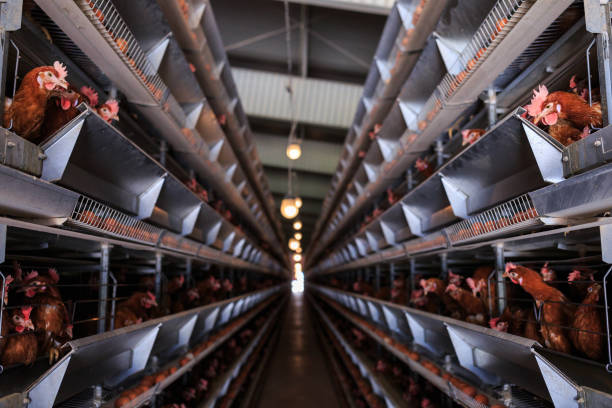
50,000 Layers Poultry Farm Design in Uganda
For a 50,000 layers poultry farm design in Uganda, a multi-house H type layer cage system with automatic feeding, nipple drinking, manure belt removal, egg collection, and environmental control is usually the most efficient option. The priority is not simply fitting 50,000 birds into a house. The farm must also manage ventilation during humid periods, drainage during heavy rains, reliable water supply, backup power, egg handling, and room for later expansion.
A well-planned automated system can reduce repetitive labour, improve flock monitoring, keep manure away from birds more efficiently, and lower egg breakage during collection. Livi Machinery can provide the farm layout, equipment configuration, shipping plan, installation guidance, and after-sales technical support for the complete project.
What Equipment Is Needed for a 50,000-Layer Farm in Uganda?
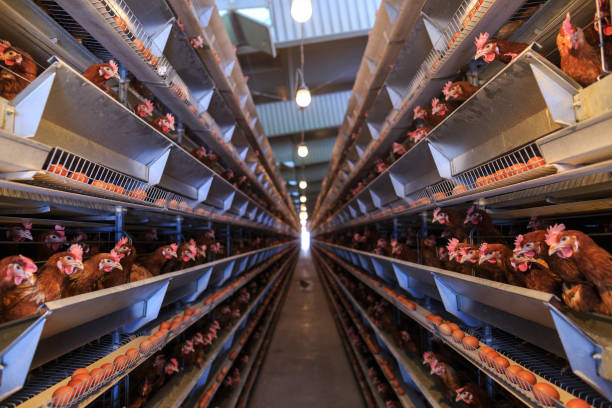
For this scale, Livi Machinery normally recommends an H type automated layer cage arrangement rather than a manual or semi-automatic layout. H type cages use vertical space more effectively and create a more controlled production workflow for feeding, egg collection, manure removal, and water management.
An indicative equipment configuration is shown below. The final quantity must be confirmed after reviewing the land size, house dimensions, local regulations, target bird weight, and expansion plan.
| System Area | Recommended Configuration | Main Purpose |
| Layer cages | 5-tier H type layer cages | Higher stocking capacity with efficient use of poultry-house space |
| Feeding | Silo, feed conveying line, automatic feeding machine | Uniform feed delivery and lower daily labour demand |
| Drinking | Nipple drinker lines with pressure regulator and water meter | Clean, controlled water supply for each cage row |
| Manure removal | Automatic manure belts and cross-conveyor system | Better hygiene and faster manure handling |
| Egg handling | Automatic egg collection belts and central egg conveyor | Lower egg collision risk and more efficient collection |
| Environmental control | Fans, air inlets, cooling pads, sensors, controller | More stable temperature, humidity, and air quality |
| Power protection | Generator, automatic transfer switch, alarm system | Continuity for ventilation, water, lighting, and feeding |
| Water management | Storage tanks, filtration, dosing unit, flushing line | Stable water pressure and easier waterline maintenance |
A 5-tier, four-door H type configuration can provide approximately 240 bird positions per cage set. In a preliminary 50,000-bird plan, the system may require around 210 cage sets, with a practical reserve for flock-management adjustments. This calculation is only a planning reference; the actual layout should be engineered around the poultry house and operational flow.
Why Should Uganda Projects Focus on Ventilation, Drainage, and Power Security?
A poultry farm in Uganda must be designed around the specific site. Rainfall patterns, altitude, humidity, water availability, road access, and electricity stability can vary considerably between regions. For a 50,000-layer project, weak drainage or insufficient airflow can create long-term operational problems that are far more expensive than correcting the design before construction.
The poultry house should therefore include:
- Proper roof slope and rainwater drainage channels.
- Raised foundations where seasonal water accumulation is possible.
- Wide service passages for egg movement, manure transport, and maintenance.
- Sidewall air inlets designed to direct fresh air into the bird zone.
- Exhaust fans sized according to house dimensions and bird density.
- Cooling-pad provisions where heat and humidity require additional support.
- Emergency ventilation and generator backup for power interruptions.
Instead of designing only for the hottest day, the environmental-control system should also consider rainy periods, when moisture control and fresh-air exchange are critical. This is especially important for maintaining dry manure belts, reducing ammonia accumulation, and protecting egg quality.
How Should a 50,000-Layer Poultry House Be Laid Out?
For many investors, dividing the capacity into two poultry houses of about 25,000 layers each is more practical than placing all birds in one building. This approach provides better disease-risk separation, easier flock management, more flexible maintenance, and less operational disruption if one house needs repair or cleaning.
A typical site plan may include:
- Two layer houses with separate cage rows and environmental-control zones.
- One feed-storage and silo area positioned for convenient truck unloading.
- A central egg room with clean packing and temporary storage space.
- A manure collection route located away from the egg-handling zone.
- A water-treatment and tank area with easy maintenance access.
- A generator room and electrical-control point protected from rain.
- Reserved space for future poultry houses, additional silos, or an egg grading room.
This type of automatic poultry farm design allows the farm owner to begin with 50,000 birds while keeping roads, electrical capacity, and service infrastructure ready for future growth.
Which Automated Systems Create the Biggest Operational Benefits?
The value of automation is not only labour reduction. On a 50,000-layer farm, automation also makes production routines more consistent and easier to supervise.
Automatic Feeding System
A feed silo and conveying system can deliver feed to each cage line on a timed schedule. Uniform feeding helps reduce competition between birds and supports more consistent flock performance. The V-shaped feed trough design also helps limit feed accumulation and unnecessary waste.
Automatic Drinking System
Nipple drinker lines provide water directly to birds while helping keep the cage area drier than open-water systems. Water meters, pressure regulators, dosing equipment, and waterline flushing points enable the farm team to monitor consumption and respond quickly to abnormal changes.
Automatic Manure Removal System
Manure belts remove waste from each cage tier at planned intervals. This supports cleaner air, lowers the buildup of manure beneath cages, and makes manure collection more organized. For a commercial layer farm, this is a major advantage in hygiene management.
Automatic Egg Collection System
An automatic egg collection system transports eggs from cage rows to a central collection area with less manual handling. This can reduce egg collisions, improve collection efficiency, and allow staff to focus on egg inspection, packing, and flock observation.
How Can the Farm Prepare for Future Expansion?
A 50,000-layer project should not be designed as an isolated building. The most cost-effective farms reserve space and utility capacity from the beginning.
Before construction, the owner should confirm:
- Whether the electrical system can support another poultry house later.
- Whether water storage and borehole capacity can serve a larger flock.
- Whether internal roads can accommodate feed and egg trucks.
- Whether the manure area can be expanded without affecting biosecurity.
- Whether the site layout allows another H type cage house to be added.
- Whether the egg room can be extended for grading, packing, or cold storage.
By planning these items early, the farm can avoid rebuilding roads, relocating silos, or changing drainage systems during expansion.
Why Work with Livi Machinery for a Uganda Layer Farm Project?
Livi Machinery provides more than poultry cages. For a 50,000-layer project, our team can help develop a complete equipment and operation plan, including poultry-house layout, H type cage configuration, feeding and drinking systems, egg collection, manure removal, ventilation, shipping coordination, installation guidance, and after-sales support.
Our engineering approach is designed to connect the poultry house, equipment, flock-management workflow, and future expansion requirements into one workable solution. This helps investors make decisions before construction begins rather than solving avoidable problems after birds arrive.
FAQ
Is an H type cage system suitable for 50,000 layers in Uganda?
Yes. An H type layer cage system is suitable for this scale because it uses house space efficiently and can integrate automated feeding, drinking, egg collection, manure removal, and environmental control. The final tier number should be selected according to house height, ventilation design, and management preference.
How many poultry houses are recommended for 50,000 laying hens?
Two houses of approximately 25,000 birds each are often a practical option. This can improve biosecurity separation, simplify management, and reduce the operational impact of maintenance in one house.
Does a 50,000-layer farm need generator backup?
Yes. Backup power is strongly recommended because ventilation, drinking water, lighting, feeding, and manure removal depend on electricity. The generator should be sized for priority operating loads and connected through a suitable transfer system.
Can Livi Machinery provide a complete poultry farm layout?
Yes. Livi Machinery can provide a customized poultry-house design, equipment layout, cage-system configuration, and installation guidance based on the land size, climate conditions, management plan, and intended expansion stage.