Commercial Egg Production Equipment Maintenance for 80,000 Layers in Ghana
For an 80,000-layer farm, maintenance planning should start before equipment selection. Automatic feeding, drinking, manure removal and egg collection reduce manual work, but power, water, belt or control issues can quickly create downtime. The LIVI H1200 layer stacking system is a verified reference for commercial layer farms above 10,000 birds, not a final site design.
Quick Answer
First survey the poultry house, power and water supply, cage structure, feeding, drinking, manure removal, egg collection and ventilation. Use the H1200 as a reference, but confirm tier count, row length, backup power, labor plan and ventilation from site data. Phase controller checks first, then feeding, drinking, manure and egg systems, and only after that structural cage replacement.

Request an 80,000-Layer Maintenance and Upgrade Scope for Ghana
Send your poultry house dimensions, power and water conditions, and current equipment condition so the technical team can prepare a phased maintenance plan.
Why Maintenance Belongs in the Equipment Decision
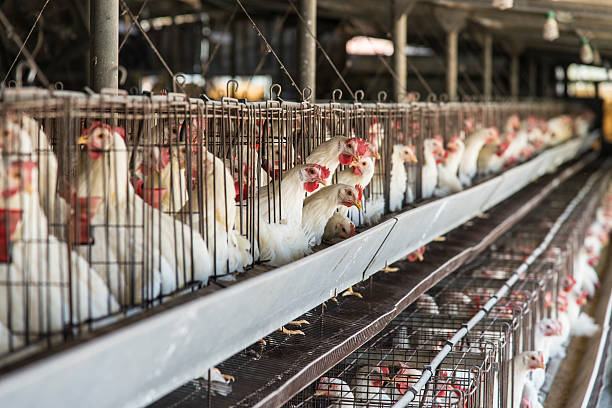
At 80,000 layers, feeding, drinking, manure handling and egg collection become recurring operational risks. Automation shifts workload to equipment checks; a slipping drive, leaking nipple or drifting belt can spread across many cages. Compare supplier support for spare parts, remote diagnosis and after-sales response rather than cage price alone. Ghana projects should review site conditions before automating because high humidity and ammonia exposure increase corrosion and cleaning needs. This is an illustrative planning scenario, not a completed case; review house condition, power and water stability, labor and equipment condition before setting the upgrade sequence.

H1200 Check Table for Ghana
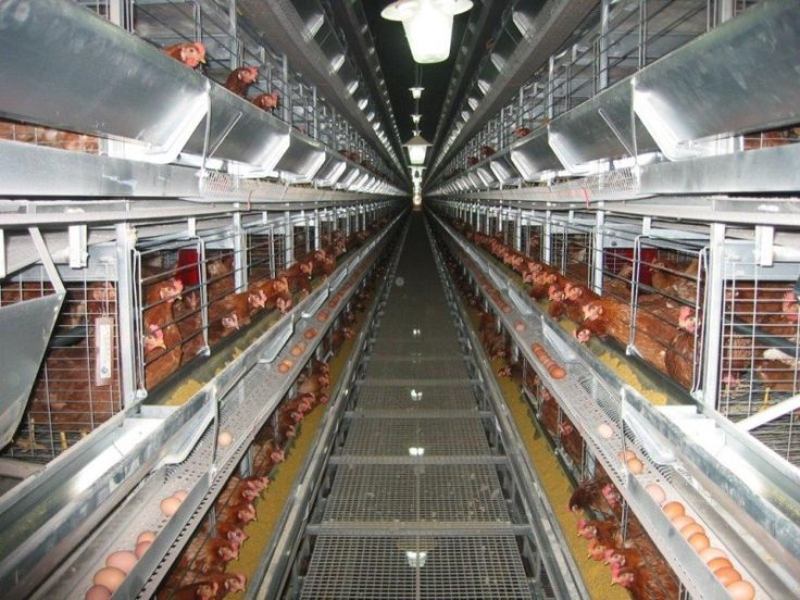
Key verified references: 3–12 tiers, 108/144/180 birds per unit, 2 doors, low egg breakage, low feed loss, 18–24°C, 1 time/day manure removal, unit dimensions 1200*625*480, frame 2 mm zinc-aluminum-magnesium + hot-dip galvanized.

| System | Maintenance or upgrade check |
|---|---|
| Cage frame and mesh | Check deformation, loose fasteners, corrosion and floor wire after shutdown |
| Feeding | Check feed distribution, return blocks, auger blockage and drive noise |
| Drinking | Check water pressure, nipple leakage, filter cleanliness and line flushing |
| Manure removal | Check belt tracking, tension, scraper contact and drive grip; follow the 1 time/day routine |
| Egg collection | Check belt alignment, tension, egg accumulation, brush cleaning and drive slip |
| Control and climate | Test temperature or ammonia alarm, ventilation settings and backup power readiness |
All inspection, cleaning and replacement must be performed only after shutdown, isolation and lockout by qualified personnel.
Phased Checks, Delivery and Support
- Record house dimensions, row length, cage tiers and current system condition.
- Isolate and lock out electrical and mechanical systems before inspection, cleaning, lubrication, tensioning or replacement.
- Inspect cage frame, mesh, feeders, nipple drinkers, belts, drives, rollers and control cabinet for wear, misalignment, leakage and corrosion.
- Clean filters, brushes, troughs, water lines and belt surfaces; tighten fasteners and calibrate feed level, water pressure, belt tracking and egg collection flow.
- Replace only compatible wear parts after confirming part number, material and installation method with LIVI or a qualified technician.
- Restore power and test each system separately at low load, checking for abnormal noise, overheating, belt slip, egg jams or alarm faults.
- Implement daily, weekly and monthly checks and train staff on shutdown, alarm response and safe limits.
LIVI can arrange production, quality inspection, packaging and container loading, and supports 40HQ/20GP export loading and domestic vehicle transport. Packaging should include packing lists, installation materials and equipment documentation. Before dispatch, the buyer or local agent must confirm destination logistics, offloading equipment, site access and import arrangements. Because Ghana operations can face heat, humidity and ammonia exposure, verify ventilation, manure drying and water quality. LIVI Machinery states a 48-hour after-sales response time and offers online remote guidance plus onsite support by experienced engineers for larger projects. The company provides equipment usage guidance, wear-part recommendations, maintenance planning and long-term technical support, and can support poultry house layout, cage arrangement, ventilation, manure removal, feeding, drinking and egg collection configuration. LIVI has 13 years of poultry equipment industry experience and an annual capacity of 20,000+ layer cage sets.
Discuss Your Ghana Layer Farm Upgrade Plan
Tell the team whether this is an existing house or an expansion so they can review equipment compatibility and implementation order.
FAQ
1. What should be checked before upgrading automated equipment on an 80,000-layer farm in Ghana?
Survey the poultry house structure, cage rows, tier configuration, power stability, water pressure and current feeding, drinking, manure removal and egg collection equipment. The H1200 reference fits farms above 10,000 layers, so an 80,000-layer project is within scale, but final house dimensions, backup power and ventilation must be confirmed from site data.
Check Your H1200 Automation Configuration Before Upgrading
Share row length, tier count, ventilation and automation goals to compare feeding, drinking, manure removal and egg collection options for your site.
2. Does the LIVI H1200 layer stacking system include automatic feeding, drinking, manure removal and egg collection?
Yes. The standard configuration includes H1200 stacking equipment, traveling feeder, high-configuration automatic drinking, flat belt manure removal, horizontal/oblique manure removal and egg collection machine. Optional alarm, lighting, ventilation and climate control can be configured, but the exact bill of materials depends on the project.
3. How often should manure removal and equipment checks be performed on a commercial layer farm?
The H1200 product data states manure removal frequency is 1 time per day. Daily operator checks should cover feeding, drinking, manure belt tracking, egg collection and control alarms; weekly and monthly checks should include cleaning, lubrication, tension and fastener inspection.
4. Can an existing poultry house in Ghana be upgraded without replacing all the cage equipment?
It may be possible to upgrade control, feeding, drinking, manure removal or egg collection components first if the existing house structure, cage frame and electrical capacity can support the changes. A final upgrade sequence requires measuring the house, checking row alignment and confirming available power and water.
5. When should a qualified equipment engineer be called instead of performing maintenance in-house?
Stop and call a qualified technician for electrical faults, mechanical transmission damage, high-altitude access or any inspection on running equipment. All live equipment must be shut down, isolated and locked out before inspection, and faults should not be corrected while the system is energized.
TAGs: commercial egg production equipment maintenance, 80000 layers Ghana, automated layer cage system, H1200 layer stacking system Ghana, automatic feeding and drinking maintenance, manure belt maintenance, poultry equipment upgrade Ghana
Get Technical Support for Your 80,000-Layer Equipment Decision
Ask about installation training, after-sales response and spare-part planning before you finalize the equipment supplier for your Ghana farm.