Is a 20000-Layer Farm Viable in Nigeria? A Supplier Risk Guide
Quick Answer: Is a 20000-Layer Farm Viable in Nigeria?
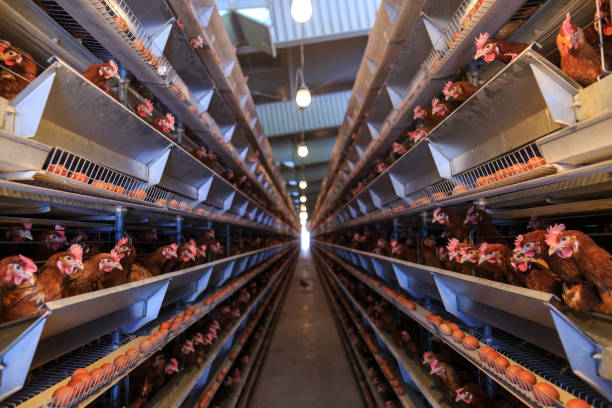
A 20000-layer farm in Nigeria may be viable if its egg sales, site utilities, staffing and available capital withstand expected and adverse operating conditions. Before choosing a layer farm equipment supplier for 20000 layers in Nigeria, test those conditions and compare proposed configurations, backup arrangements and service commitments—not cage price alone. H1200 and H180 are candidates for evaluation, subject to a project-specific layout.
Planning a 20000-Layer Project in Nigeria?
Share your site or house dimensions, water and power conditions, and initial automation goals to discuss whether your layer project assumptions fit the proposed scale.
Which Assumptions Must Support the 20000-Layer Decision?
Start with evidence from prospective egg buyers: likely volumes, selling prices, collection arrangements and competing supply. Check feed and flock sourcing, payment timing and access to working capital. If the sales plan or cash reserve is weak under adverse assumptions, consider phasing the project before committing to equipment.
For the same operating period, calculate saleable eggs × assumed selling price, then subtract feed, labor, utilities, maintenance and other operating costs. Separately account for construction, financing and equipment investment. Repeat the calculation with lower sales and higher input costs; a positive operating margin is not itself proof that the investment is viable.
Test whether usable land accommodates the proposed house, deliveries, biosecurity measures, manure handling, utilities, maintenance access and expansion. Confirm applicable permits, sanitary and welfare requirements locally. Track the assumptions behind task hours, feed and water consumption, saleable eggs, mortality, downtime and spare-part spending so they can be revised as evidence improves.
Which Layer Cage Configuration Fits the Operating Plan?
| Option and product reference | Potential advantage | Limitation and application condition | Investment-stage selection rule |
|---|---|---|---|
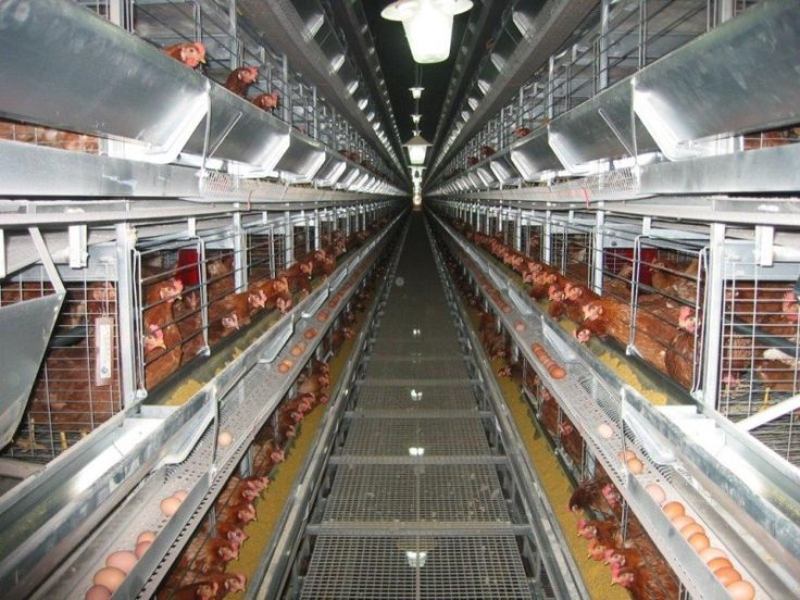
| H1200: listed with Automatic Feeding, Automatic Drinking, Automatic Manure Removal and Automatic Egg Collection. | Automates several recurring tasks. | Powered equipment requires a workable utility, backup and maintenance plan. | Evaluate when automation fits the staffing and financing plan; confirm the layout and included systems before ordering. |
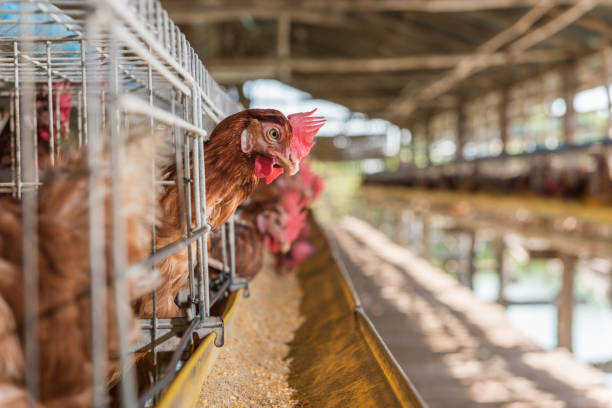
| H180: offers manual and automated configuration choices. | Allows comparison of different task allocations and a potential phased configuration. | More manual tasks require sufficient staff; specific upgrades must be confirmed. | Evaluate when staffing or staged investment favors selected functions; verify upgrade compatibility and future costs. |
Neither product reference is a final design. Request separate capacity calculations, house layouts, utility loads and itemized configurations. Choose the option whose total requirements fit the site—not automatically the more automated or higher-priced offer.
How Can a Downside Scenario Change the Equipment Choice?
Compare a more manual H180 configuration with an automated H1200 proposal using the same flock, sales and operating-period assumptions. For each, estimate hours for feeding, egg collection, manure handling, inspection and maintenance, then multiply task hours by the applicable wage rate. Add equipment investment, energy, backup, repairs, parts and a downtime allowance.

Now test lower egg sales, higher feed costs and a prolonged utility interruption. If the automated proposal needs backup or technical support the site cannot provide, revise the configuration or defer the commitment. If manual tasks exceed available staff hours, reassess that option. Do not assume a future upgrade will fit without written confirmation.
Compare the resulting cash needs with the funds available for operating the farm as well as buying equipment. A configuration that appears affordable at purchase may put pressure on working capital if its staffing, replacement parts or backup arrangements cost more than planned.
Comparing Layer Cage Configurations for Your Project?
Tell us your staffing, utility and maintenance requirements so we can discuss configuration trade-offs for your planned 20000-layer farm in Nigeria.
What Must the Nigerian Site and Delivery Plan Withstand?
Record temperature and humidity patterns at the proposed site, along with power quality and interruption history. Ask suppliers to identify critical ventilation, water and control loads. Size backup power against those loads and test alarms, changeover and staff response procedures. An enclosed house requires particular attention to ventilation continuity and its power supply.

Check water source, quality, flow and storage against the proposed Drinking System, including a backup supply and responsibility for testing it. Confirm local siting, welfare and sanitary requirements before finalizing the layout.
For delivery, establish the freight destination, insurance, customs responsibilities, local transport, unloading access and installation labor. LIVI states that it can provide packing lists, installation materials, equipment instructions and after-sales technical support; agree the actual scope for the order in writing.
Ready to Evaluate Your Layer Farm Proposal?
Send your Nigeria project details, house dimensions and equipment requirements to discuss the scope, installation and service questions relevant to your supplier comparison.
How Should a Layer Farm Equipment Supplier for 20000 Layers in Nigeria Be Evaluated?
Use the same project brief for every supplier and compare written evidence:
| Check | Evidence to request |
|---|---|
| Design and scope | Capacity calculation, house layout, system interfaces, included items, exclusions and upgrade compatibility. |
| Quality | Material and surface-treatment specifications, weld and load-bearing details, inspection records and production-scope evidence. |
| Commercial terms | Itemized equipment, freight, insurance, installation, payment terms and buyer-responsible costs. |
| Support | Training, spare-part availability and costs, warranty coverage and exclusions, and fault-response arrangements. |
Before ordering, agree acceptance criteria and assign installation and commissioning responsibilities. On arrival, check components against the packing list and inspect coatings, welds and connections. Before stocking, test the Feeding System, Drinking System, Manure Removal System, Egg Collection System, Ventilation System, alarms and backup procedures; train staff and record unresolved items.
FAQ
1. What market evidence should support a 20000-layer farm in Nigeria?
Compare expected egg output with prospective buyers’ volumes, prices and collection arrangements, as well as local competition. Test lower sales and higher feed, labor and utility costs against the working capital available before making an equipment commitment.
2. How do you evaluate land requirements for building a poultry farm in Nigeria?
Assess usable land against a proposed house layout, delivery access, utilities, biosecurity, manure handling, maintenance and expansion space. Confirm applicable siting and permit requirements with local authorities before finalizing the land or equipment design.
3. What layer flock size is needed for poultry farm automation to be cost-effective?
Flock size alone does not determine whether automation is cost-effective. For a 20000-layer plan, compare labor hours and wages with equipment, power, backup, maintenance and financing costs over the same operating period and downside conditions.
4. What backup arrangements should a 20000-layer farm evaluate?
Evaluate backup power for critical ventilation, water and control loads, together with water storage, alarms and staff response procedures. Size and test each arrangement against the actual site and the supplier’s proposed equipment loads.
5. How do you choose a cage equipment supplier for a poultry farm?
Compare layouts, capacity calculations, materials, inspection evidence and itemized equipment scope. Check freight, installation, training, spare parts, warranty exclusions and service responsibilities, then select the proposal that fits the farm’s operating plan and site risks.
TAGs: 20000-layer farm viability in Nigeria, layer farm equipment supplier, H-Type Layer Cage configuration, layer farm automation operating costs, poultry farm backup arrangements