
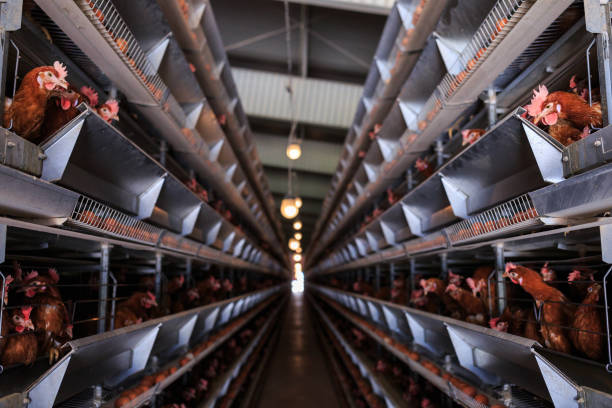
30000 Layers H Type Layer Cage in Comoros
A 30000 layers H type layer cage in Comoros should be designed as a compact, automated poultry farm with strong ventilation, efficient manure removal, stable drinking water, and a reliable egg collection system. For a tropical island market where land, humidity control, labor efficiency, and transport planning matter, the H type layer battery cage system is a practical choice because it increases bird capacity per house while keeping daily management more standardized.
For a 30,000-bird layer project, Livi Machinery recommends a complete layer chicken cage solution that includes H type cages, automatic feeding, nipple drinking, belt manure removal, egg collection, environmental control, installation guidance, and a customized chicken house layout.
Why Is the H Type Layer Cage Suitable for Comoros?
Comoros has a warm, humid island climate, especially during the rainy season from December to April. For layer farms, this means the poultry house should not only hold birds efficiently but also reduce moisture, ammonia accumulation, and heat stress risks. A poorly ventilated house can increase disease pressure and reduce egg production performance.
The H type layer battery cage system is suitable for this situation because it uses vertical space more efficiently than A type cages. Instead of spreading the farm over a larger land area, the H type system allows more birds to be raised in a more compact house. This is especially useful for investors in Moroni, Anjouan, Mohéli, or other areas where suitable land may be limited or expensive.
Livi H type layer cages are designed with hot-dip galvanized cage mesh, automatic feeding, drinking, egg collection, manure removal, and environmental control options. The cage structure also includes manure belts for each tier, helping remove waste regularly and improve house hygiene.
What Equipment Is Needed for a 30,000-Layer Farm?
A 30,000-layer project should not be planned as cages only. It needs a complete system where feeding, water supply, manure handling, egg collection, ventilation, lighting, and house layout work together.
| System | Recommended Configuration | Main Value for Comoros Farms |
|---|---|---|
| H type layer cage | 4-tier or 5-tier layout depending on house size | Saves land and supports intensive layer farming |
| Automatic feeding system | Feed silo, conveying pipe, feeding trolley | Reduces labor and keeps feed distribution uniform |
| Nipple drinking system | Waterline, pressure regulator, dosing device, water meter | Supports stable water supply and easier medication management |
| Belt manure removal | Manure belt under each tier plus outside conveyor | Helps control humidity, odor, and flies |
| Automatic egg collection | Egg belt and elevator collection system | Reduces egg handling labor and breakage risk |
| Ventilation system | Exhaust fans, air inlets, cooling pads, controller | Important for humid tropical poultry houses |
| Lighting control | Dimmable poultry lights | Helps maintain laying performance and flock rhythm |
According to Livi Machinery cage specifications, H type layer cage models can be configured with different tiers and bird capacities per set, allowing the design team to adjust the number of cage rows and house dimensions according to the customer’s land and expansion plan.
How Should the Chicken House Be Planned?
For 30,000 layers in Comoros, the house design should start with ventilation and workflow, not only cage quantity. A typical project may use one main layer house with H type cages arranged in multiple rows, leaving enough space for feed delivery, egg collection, manure discharge, maintenance, and emergency movement.
Key design points include:
- Keep the long side of the house suitable for cross or tunnel ventilation.
- Reserve enough space for feed silo placement and truck unloading.
- Design manure discharge away from egg handling and feed storage areas.
- Use corrosion-resistant materials because island humidity can shorten equipment life.
- Consider future expansion, such as adding another house for 60,000 layers later.
Livi Machinery can provide automatic poultry farm design with 2D layout drawings, 3D house planning, cage row arrangement, ventilation calculation, and equipment configuration based on the customer’s land size and investment budget.
How Does Automation Reduce Operating Pressure?
In Comoros, farm owners often need to control labor cost while keeping production stable. Manual feeding, egg picking, and manure cleaning are possible for small farms, but they become difficult at 30,000 birds. Automation improves daily consistency and reduces dependence on manual work.
The automatic feeding system delivers feed evenly to each tier, helping birds receive a more uniform diet. The nipple drinking system reduces water waste and keeps litter-free cage areas drier. The belt manure removal system clears manure regularly, which is especially important in humid climates. The automatic egg collection system moves eggs gently from the cage to the collection area, reducing repeated manual handling.
For investors planning commercial egg supply to local markets, hotels, restaurants, or distributors, automation also makes production easier to monitor. It improves biosecurity because workers do not need to enter cage aisles as frequently.
What Should Investors Consider Before Starting?
Before ordering equipment, a Comoros poultry investor should confirm several practical details:
- Land and house size: H type cages save land, but the house still needs proper aisle width, ventilation space, and service areas.
- Electricity supply: Since automated farms rely on motors, controllers, lighting, feeding, and egg collection, backup power is recommended even where grid access is available.
- Water quality: Drinking lines need clean water filtration and pressure regulation.
- Feed logistics: The feed silo location should allow convenient truck access and protect feed from rain and moisture.
- Installation plan: Island projects need careful packing, shipping, port clearance, and installation scheduling.
Livi Machinery supports customers from early design to delivery and installation guidance. For Comoros projects, the equipment can be packed for sea transport, and the installation drawings and online or on-site guidance can help the customer reduce assembly mistakes.
Why Work with Livi Machinery?
Livi Machinery focuses on poultry cage equipment for large farms and provides integrated solutions instead of selling separate machines without layout planning. For a 30,000-layer farm, this is important because cage size, house structure, feeding line, drinking line, manure belt, egg belt, fan quantity, air inlet position, and controller settings must match each other.
The company’s service can include:
- Free poultry house layout design
- H type cage quantity calculation
- Automatic feeding, drinking, manure removal, and egg collection configuration
- Ventilation and environmental control recommendations
- Equipment manufacturing and quality inspection
- Shipping arrangement
- Installation drawings and technical guidance
- After-sales support for operation and maintenance
For farms that want to expand later, Livi can reserve space and system capacity from the beginning. This helps avoid redesign costs when the customer upgrades from 30,000 layers to a larger commercial egg production project.
Conclusion
A 30000 layers H type layer cage in Comoros should be designed around land efficiency, humidity control, automation, and long-term farm management. With H type cages, automatic feeding, nipple drinking, belt manure removal, egg collection, and a suitable ventilation system, farm owners can build a more efficient and manageable layer project.
For investors in Comoros who want to start or expand egg production, Livi Machinery can provide a customized solution based on your land, budget, target capacity, and local conditions.
FAQ
1. Is H type layer cage better than A type cage for 30,000 layers in Comoros?
Yes. For 30,000 layers, H type cages are usually more suitable because they provide higher stocking capacity in a smaller house area. This helps save land and makes automation easier to integrate.
2. What automation systems are recommended for a 30,000-layer farm?
The recommended systems include automatic feeding, nipple drinking, belt manure removal, automatic egg collection, ventilation fans, cooling pads, lighting control, and an intelligent control cabinet.
3. Can the farm be expanded after the first 30,000 layers?
Yes. Livi Machinery can design the first house with future expansion in mind, including land reservation, equipment layout planning, and possible additional poultry houses.
4. How important is ventilation in Comoros?
Ventilation is very important because Comoros has warm and humid conditions, especially in the rainy season. A good ventilation system helps reduce heat stress, ammonia, moisture, and disease risk.
5. Does Livi Machinery provide installation support?
Yes. Livi Machinery can provide installation drawings, technical guidance, and after-sales support to help customers assemble and operate the H type layer cage system correctly.