

Battery Cages for 30000 Layers in Kenya: Labor, Lifecycle, and Operational Risk Review
For a 30,000-layer egg production project in Kenya, the decision is not only which battery cages for layers are available. It is whether the cage system matches the poultry house dimensions, power supply, water availability, climate, labor plan and spare-part strategy well enough to keep the project running after installation. At the investment feasibility stage, compare cage price with operational risk: labor, structural life, feeding and drinking reliability, manure handling, ventilation and maintenance response.
Quick Answer: Battery Cages for 30000 Layers in Kenya
For battery cages for 30000 layers in Kenya, the investment review should focus on labor reduction through automatic feeding, drinking, manure removal and egg collection; physical lifecycle and structural durability; and operational risks including power, ventilation, water and maintenance. The LIVI H1200 layer stacking system is a reference configuration for commercial layer farms above 10,000 layers, not a final design. Final bird capacity, cage rows, tier count, house dimensions, generator sizing and ventilation must be confirmed after a site-specific technical review.
Request a 30,000-Layer Kenya Cage Layout and Automation Plan
Send your house dimensions, power supply, water availability and target automation level so LIVI can prepare a site-matched H1200 layer cage configuration.
Why a 30,000-Layer Kenya Investment Must Be Reviewed Beyond Cage Price
Buyers should evaluate total ownership risk: the cage system, house, feed and water supply, power, ventilation, labor, transport, installation, spare parts and maintenance. The H1200 system reduces manual work in farms above 10,000 layers through traveling feed, drinking, manure removal and egg collection. In Kenya, confirm house dimensions, local temperatures, grid reliability, water and road access before locking the 30,000-bird layout. Select the cage style after confirming whether the house is open, semi-open or closed and reviewing operating preference. Daily management should also control ambient house temperature and feed consumption, not equipment performance alone.
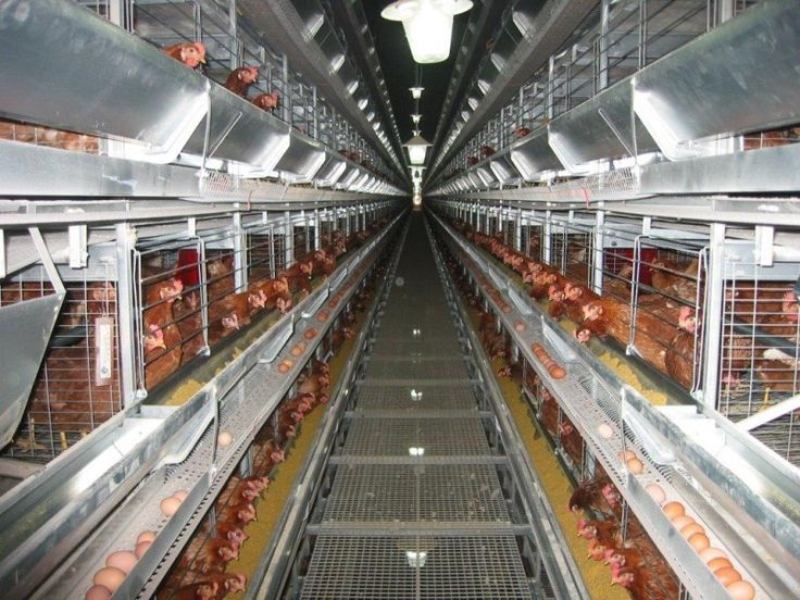
LIVI H1200 Layer Cage Specification Reference for a 30,000-Bird Kenya Evaluation
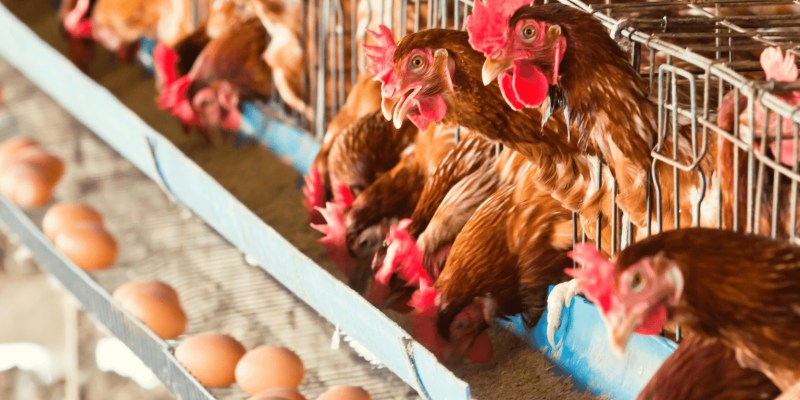
| Parameter | Verified H1200 Product Detail | Investment Feasibility Check |
|---|---|---|
| Model and scale | H1200 layer stacking equipment; recommended for farms above 10,000 layers. | Confirm 30,000-bird capacity from rows, tier count and house dimensions. |
| Capacity and dimensions | Unit size 1200 x 625 x 480 mm; 2 doors; 8-9 birds per tier; 108/144/180 birds per unit; 3-12 tiers. | Match unit options to house width, length and bird density. |
| Materials | Zinc-aluminum-magnesium alloy + hot-dip galvanized components; frame thickness 2 mm; wire diameter 2.3-3.6 mm; one-piece forming. | Suitable for high-humidity and high-ammonia cage environments. |
| Automation | Traveling feed cart; high-configuration automatic drinking; manure belt with horizontal/inclined removal; egg collection machine; manure removal once daily. | Verify grid, backup power and operator training for each system. |
| Environment | Temperature range 18-24°C; open, semi-open or closed house; ventilation/temperature and alarm optional. | Match cooling, ventilation and alarm to site temperatures. |
| Operation | Low feed loss and low egg breakage as design targets; power, lighting and spares are site decisions. | Plan checks, wear-part replacement and spare-part reordering. |
Site, Power and Ventilation Checks
Confirm grid supply stability and calculate backup generator capacity for feeding, drinking, manure removal, egg collection and ventilation. The H1200 system states a temperature range of 18-24°C, so adjust cooling and ventilation to actual ambient temperatures. Water pressure and drainage must support automatic drinking and manure systems. House dimensions depend on tier count, row spacing, service corridors, feed storage, egg handling and manure discharge. Large-scale operations require precise utility readiness before equipment installation.

Automation and Operating Risk
The standard H1200 configuration includes the stacking cage, traveling feed cart, automatic drinking line, manure belt and egg collection machine. Automation reduces daily labor but increases dependence on reliable power and trained operators. Run manure removal once daily to control ammonia and moisture. Include alarm and automatic control so critical failures are detected early. Optional feed silo, lighting and ventilation/temperature control can be configured to the project. After-sales service and spare parts support are offered, but the exact spare-part list, response time and local support channel must be confirmed in the project offer. Maintenance and wear-part replacement should be planned before installation.

Review Operational Risks Before You Finalize the Battery Cage Investment
Share the project location, planned poultry house size and utility conditions for a targeted battery cage, ventilation and backup power review.
Cross-Border Delivery and Site Readiness
Product origin is Henan, China. For Kenya, confirm the inbound port and inland transport route from the project location. LIVI fulfillment modes include direct shipping, local production, overseas warehouse and local distribution. Confirm unloading space, container access, building readiness, material storage and installation tools before delivery. Water supply, power supply and drainage must be ready before the automatic drinking and manure systems are placed in service.
Planning Scenario: What a 30,000-Layer Kenya Project Must Still Validate
No completed customer case is presented here. A new project evaluating the H1200 layer stacking system must confirm house dimensions, tier count, power and ventilation before ordering. Compare lower automation to reduce capital cost with higher automation to reduce daily labor and long-term operational risk. The next step is a technical site review, not a copied plan. LIVI reports field visits to more than 1,000 large-scale farms across climates and scales, but each project still requires its own measurements and assumptions. LIVI was founded in 2013 and supports turnkey scope from farm planning, customization and equipment production to delivery, installation, commissioning and long-term service.
Implementation Steps for a 30,000-Layer H1200 Project
- Confirm project inputs: house dimensions, orientation, access, 30,000-layer target, power phase, backup power, water and drainage.
- Freeze H1200 tier count, cage rows, unit capacity and layout after site measurements.
- Prepare house structure and utilities: ventilation/cooling, water, feed storage, egg handling and manure areas.
- Coordinate production, container dispatch and inland transport with building readiness.
- Install cage frame, feed cart, drinking line, manure belt and egg collection to LIVI drawings.
- Commission feeding, drinking, manure removal, egg collection, ventilation/temperature and alarm before birds.
- Train operators on daily checks, once-daily manure removal, cleaning and spare-part reordering.
FAQ
How much should I budget for battery cages for 30000 layers in Kenya?
The total budget includes the cage system, building, feed and water supply, power and backup power, ventilation, transport, installation, labor and spare parts. LIVI does not provide a fixed price here because configuration depends on tier count, automation and house dimensions. Request a project-specific quotation with house size, bird density and utility conditions.
Which cage system is suitable for a 30,000-layer farm in Kenya?
The H1200 layer stacking system is a reference automated configuration for layer farms above 10,000 birds. Final layout and 3-12 tier selection depend on poultry house width, length and operating preference. It suits open, semi-open and closed houses, but ventilation and cooling must match the local climate.
What house dimensions are required for 30,000 layers in Kenya?
House length and width depend on tier count, row spacing, service corridors, feed storage, egg handling and manure discharge. A 30,000-bird layout cannot be fixed without site measurements; the house must accommodate selected 1200 x 625 x 480 mm cage units with access. Request a layout drawing after providing land and house structure.
What power and ventilation risks should I check in Kenya?
Confirm grid stability and calculate backup generator capacity for feeding, drinking, manure removal, egg collection and ventilation. The H1200 system states a temperature range of 18-24°C, so cooling and ventilation must be adjusted to ambient temperatures. Include alarm and automatic control for critical systems so failures are detected quickly.
Does the cage price include shipping, installation and spare parts?
Shipping, inland transport, installation and spare parts are separate items to confirm in the commercial offer. LIVI can supply design, production, delivery, installation, commissioning, training and after-sales support, but the included scope must be listed. Confirm wear-part intervals, maintenance tasks and the spare-part plan before ordering.
Request a 30,000-Layer Kenya Cage Layout and Automation Plan
Send your house dimensions, power supply, water availability and target automation level so LIVI can prepare a site-matched H1200 layer cage configuration.
Review Operational Risks Before You Finalize the Battery Cage Investment
Share the project location, planned poultry house size and utility conditions for a targeted battery cage, ventilation and backup power review.
TAGs: battery cages for 30000 layers in Kenya, H1200 layer cage system Kenya, automatic poultry equipment Kenya, layer cage automation, commercial poultry farm design Kenya, poultry house ventilation Kenya