Battery Cages for 30000 Layers in South Africa: Supplier RFQ and A-Type vs H-Type Bid Format
For a 30,000-layer South Africa project, move from price-only enquiry to a formal supplier RFQ. Fix technical assumptions, site data and supplier evidence before comparing A-Type and H-Type battery cage bids. For farms above 10,000 layers, the LIVI H1200 layer stacking system is the primary automated reference; A-Type bidders must return the same information or be excluded before price negotiation.
Quick Answer: Technical Evidence Required Before Shortlisting A-Type or H-Type Battery Cages for 30000 Layers in South Africa
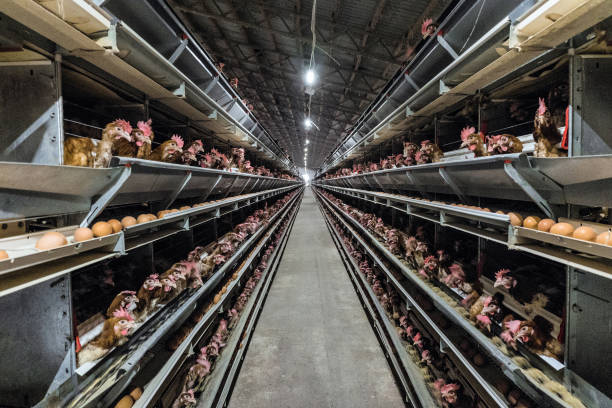
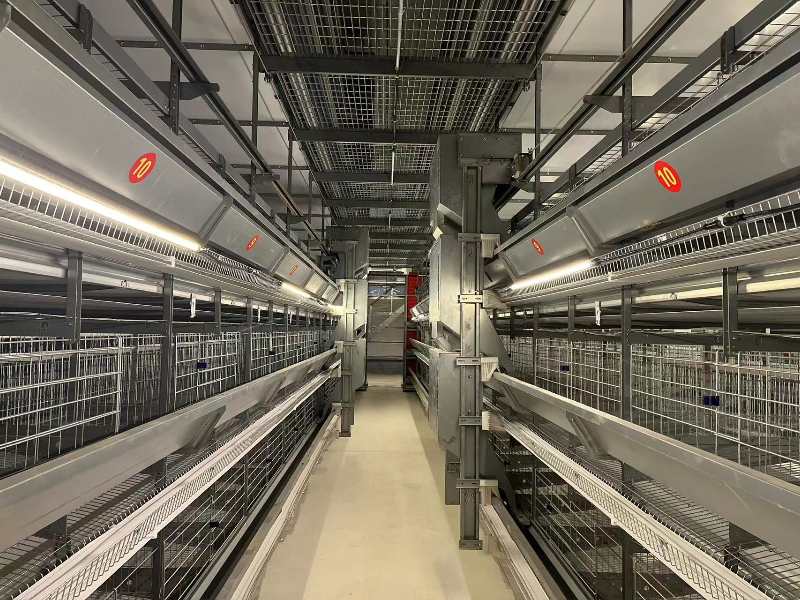
Use one RFQ structure for all bidders: bird capacity; cage unit dimensions; tier count; row length; feeding, drinking, manure removal, egg collection, ventilation, alarm, power and water interfaces. The verified H1200 reference is 1200*625*480, 3–12 tiers, 8–9 birds per tier, and 108/144/180 birds per unit with zinc-aluminum-magnesium and hot-dip galvanized metal. Shortlist only after installation supervision, spare parts and after-sales evidence arrive. Final row count, house length, generator sizing and ventilation load require a South Africa site review.
30,000-Layer South Africa Technical Review Scenario: Confirmed Reference and Required Site Inputs
The technical review separates known equipment parameters from South Africa conditions that must still be validated. Final layout depends on confirmed house rows and length, available power, water storage, seasonal climate and permits. Egg processing is not the 30,000-layer default; its verified recommended farm scale is above 50,000 layers, so it belongs in a later expansion decision. Evaluate design capability, manufacturing evidence, export packaging, installation supervision and after-sales, not cage price alone.
Planning a Similar 30,000-Layer South Africa Project?
Share your poultry house dimensions, power and water conditions, and automation requirements so LIVI can prepare a comparable A-Type and H-Type equipment shortlist.
Why A-Type vs H-Type Shortlisting Must Start with Fixed Technical and Application Conditions
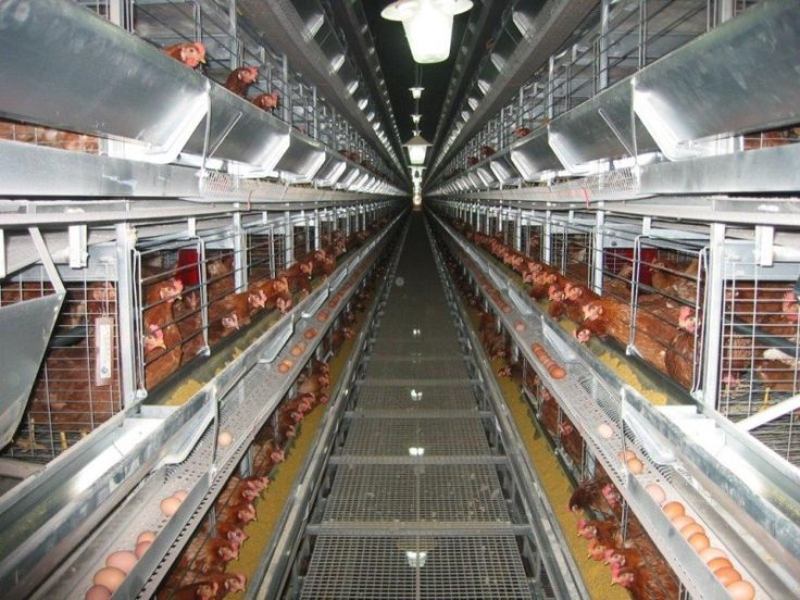
An H-Type stacked system is not a price variant; it is a vertical multi-tier geometry, while an A-Type bidder must specify actual structural geometry, bird capacity, automation level and labour requirement. For 30,000 layers, the H1200 is the primary candidate because its recommended scale is above 10,000 and its combination of tier count and cage capacity supports automated feeding, drinking, manure removal and egg collection. A-Type bids must prove equal bird capacity without unstated manual labor.

Before opening prices, the RFQ must lock:
- House type: open, semi-open or closed.
- Target temperature range: 18~24℃.
- Manure removal frequency: once daily.
- Required automation interfaces: traveling feed machine, high-config automatic drinking, flat belt plus cross/inclined manure removal and egg collector or equivalent.
- Optional items: clarify whether alarm, feed silo, lighting and climate control are included or excluded.
Use the H1200 standard configuration as the bid baseline. Do not infer missing optional equipment; put missing line items in the clarification list.
South Africa Application Conditions: Climate, Power, Water, Permits, Logistics and Labour
Climate and environmental conditions. Before price comparisons, the buyer must confirm seasonal temperature, humidity, altitude and prevailing wind orientation at the exact South Africa site. The H1200 target of 18~24℃ is a control reference, not a ready-made South Africa cooling load. Ventilation and fan capacity must be calculated from the house orientation and local heat stress profile.
Need an A-Type vs H-Type Bid Matrix?
Send target cage rows, house length, site climate data and automation interfaces so we can define fixed RFQ assumptions and evaluation criteria.

Power and water conditions. Confirm grid stability, phase, voltage and frequency, peak load and the backup generator decision. Water pressure, water quality, storage capacity and drainage must be fixed because high-config automatic drinking and flat belt manure removal depend on them.
Local standards, welfare and permits to confirm. The buyer must verify South Africa environmental, building, animal welfare-related cage system acceptance and import requirements with local authorities or consultants. LIVI cannot pre-approve local compliance.
Logistics, installation and labour constraints. Specify FOB or CIF, 40HQ/20GP container loading, port-to-site route, unloading equipment, local labour availability, and whether installation uses remote guidance or a senior on-site engineer. Reserve completion time for customs clearance, site access and farm road conditions before installation starts.
Ready to Shortlist South Africa Equipment Suppliers?
Provide your 30,000-layer project inputs and request factory references, export packaging, installation supervision and after-sales evidence before price negotiation.
A-Type vs H-Type Battery Cage Bid Matrix for 30,000 Layers in South Africa

| Evaluation dimension | A-Type battery cage bid requirements | H-Type / LIVI H1200 verified reference |
|---|---|---|
| Verified parameters | Supplier must state unit dimensions, birds per unit, tier count, wire diameter, frame material and thickness. No A-Type verified specification is supplied. | 1200*625*480; 3–12 tiers; 8–9 birds per tier; 108/144/180 birds per unit; 2.3–3.6 mm wire; 2 mm frame thickness. |
| Advantages | Bidder must state actual automation coverage and labour trade-offs. | Supports automatic feeding, high-config automatic drinking, flat belt plus cross/inclined manure removal and egg collection. |
| Limitations | May suit lower or simpler structures but must still reach 30,000-bird capacity with clear operating discipline. | Requires sufficient house height, power and ventilation capacity. |
| Application conditions | Match structure to open, semi-open or closed housing; confirm power and water for fans, feeding, drinking and manure systems. | Match to open, semi-open or closed housing; maintain 18~24℃ targets; confirm power and water for fans, feeding, drinking and manure systems. |
| Investment or implementation stage | Keep only when the bidder supplies equivalent technical and service evidence. | Use as primary evaluation reference when automation and expansion matter. |
| Selection rule | Reject low-detail cage price lists. | Retain only bids that specify rows, house length, tier count, automation interfaces, installation and spare parts for 30,000 layers in South Africa. |
Supplier Evidence, Implementation Stages and Operating Risks
A complete bid should pass four qualification gates before price comparison.
- Design evidence: layout drawing for 30,000 layers with rows, aisle clearance, feed silo position and manure discharge path.
- Manufacturing and export evidence: cage frame, trough, manure belt and key automation parts manufacturing; export packing list; 40HQ/20GP loading plan.
- Installation readiness: installation documents, site access plan, remote guidance and senior on-site engineer option; spare parts schedule and after-sales response terms.
- Operating risk review: test feeding, drinking, manure removal and egg collection after commissioning; verify daily manure removal; record temperature alarms, water pressure and maintenance tasks.
For expansion, reserve extra house length, column spacing, silo location and electrical panel capacity. Do not increase cage rows or tiers later if that reduces aisle clearance, ventilation or service access.
FAQ
1. What fixed technical data should a South Africa RFQ require before comparing A-Type and H-Type battery cage bids?
Ask for bird capacity, cage unit dimensions, tier count, row length and house width; use the H1200 verified reference of 1200*625*480, 3–12 tiers and 108/144/180 birds per unit. Require feeding, drinking, manure removal, egg collection, ventilation, alarm, power and water interface details in the same format from every bidder. South Africa-specific house orientation, climate, water pressure and grid stability must be confirmed before price is compared.
2. Is H-Type worth the extra investment for 30,000 layers in South Africa?
For 30,000 layers, the H1200 is the primary candidate because its recommended scale is above 10,000 and it supports automatic feeding, drinking, manure and egg handling. Worth should be evaluated against house height, power reliability, labor savings and maintenance, never against cage price alone. A-Type can remain in the shortlist only if the bidder supplies equal technical and after-sales evidence.
3. What feeding, drinking, manure removal and egg collection specifications must be locked before quoting?
Confirm traveling feed machine, high-config automatic drinking, flat belt plus cross/inclined manure removal and egg collector or equivalent systems. Use the LIVI H1200 standard configuration as the bid baseline, then state any listed optional equipment explicitly. Require feed silo, lighting, alarm and climate control options to be clearly marked as included or excluded.
4. Does the supplier need to provide installation and after-sales support in South Africa?
Yes, require installation drawings, operation instructions, training, spare parts, remote guidance and an on-site engineer option. LIVI supports remote guidance and senior engineer on-site installation training. The buyer should confirm the after-sales response terms, local labor, customs clearance, unloading and farm access in South Africa.
5. Should I start with A-Type and upgrade later, or choose H-Type now?
Start with A-Type only if the current house height, power and capital cannot support H-Type and if the future expansion risk is accepted. For 30,000 layers, evaluating H-Type first can reduce later reconfiguration because rows, tier count and house length are decided early. Do not change from A-Type to H-Type later without checking structural, electrical and automation compatibility.
6. How can future expansion capacity be preserved in a 30,000-layer South Africa cage project?
Reserve additional house length, column spacing, feed silo location, manure discharge path and electrical panel capacity. Confirm that cage rows and tier count can increase without reducing aisle clearance, ventilation or service access. Ask suppliers to show the expansion interface and spare parts plan from 30,000 layers to the future target scale.
TAGs: battery cages for 30000 layers in South Africa, A-type vs H-type layer cage comparison, H1200 layer cage system, layer cage supplier RFQ South Africa, automated layer cage equipment shortlisting, South Africa poultry equipment sourcing