
Automated Poultry Farming Equipment Cost for 50000 Layers in Zimbabwe
Quick Answer: What Must Funding Cover Beyond the Equipment Quote?
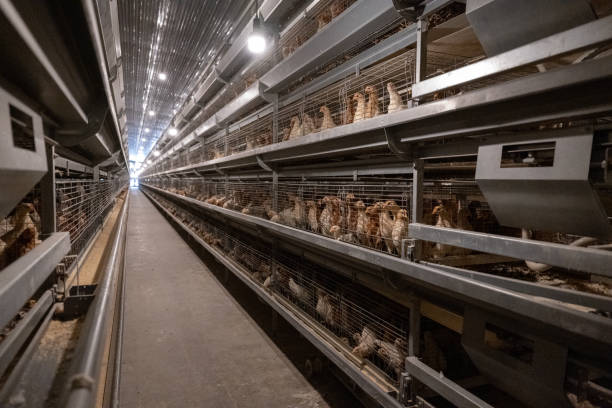
The automated poultry farming equipment cost for 50000 layers in Zimbabwe is only part of the funding decision. Capital must also cover site and house works, excluded delivery and installation, utilities and backup power, flock purchases, operating reserves and maintenance. Compare the payment schedule with committed funds before ordering. H1200 is an H-Type candidate for this scale, subject to site and operating conditions.
Review Your Zimbabwe Layer Farm Equipment Configuration
Share your 50000-layer target, site or house dimensions, water and power conditions, and automation requirements to discuss an equipment configuration for Zimbabwe.
How Can an Investor Identify and Close the Funding Gap?
List each cost, payment date and responsible party. Mark amounts as quoted, budget estimate or confirm with supplier. Obtain estimates for unresolved items rather than treating them as zero. Record currency and payment terms consistently.

Funding requirement = equipment quote + excluded delivery and installation + site, housing and utilities + flock purchase + operating reserve + maintenance provision.
Funding gap = requirement for the selected period − funds committed and available in that period.
A positive gap calls for additional funding, a revised scope or delayed commitment. Compare deposits and other payments with funding availability. Test higher feed or utility costs and later customer payments. If considering phases, budget complete feeding, drinking, ventilation, backup and biosecurity for every occupied phase.
Compare Layer Cage Layout and Automation Options
Send your Zimbabwe site dimensions, 50000-layer plan, utility conditions and preferred automation to discuss an A-Type or H-Type equipment layout.
Before committing, check prospective egg buyers, sales terms and flock and feed supply. These affect cash-flow timing and reserve needs; an equipment quote cannot establish profitability.
Which Costs Must Be Funded Before Operations Begin?
Use this schedule to separate initial costs from continuing obligations. Confirm quantities, rates and payment dates for the site.

| Funding stage | Cost items | Calculation inputs |
|---|---|---|
| Site and construction | Land or lease, preparation, houses and biosecurity | Site terms, building scope and contractor estimates |
| Equipment and utilities | Layer Cages, automation, ventilation, water connections and backup power | Itemized offers, site loads and installation needs |
| Delivery and installation | Freight, clearance, inland transport, unloading and commissioning | Delivery terms and contractor estimates |
| Before flock placement | Birds, initial feed and operating reserve | Flock offer, feed assumptions and reserve period |
| Ongoing and long-term | Labour, utilities, animal health, repairs, parts and upgrades | Operating estimates and maintenance provision |
Mark each line as quoted, estimated or awaiting confirmation. Calculate the operating reserve from expected outflows over the chosen period, allowing for payment and receipt timing. Keep maintenance funding separate from routine operating costs.
What Must a Delivered and Installed Cost Include in Zimbabwe?
Add costs excluded from the equipment quote: freight, insurance, customs clearance, applicable charges, inland transport, unloading, installation and commissioning. Specify where delivery ends and who handles each activity. Assign local labour, electrical connections, testing and training; avoid counting an included service twice.

For the Zimbabwe site, confirm seasonal temperature and humidity, water quantity and quality, electrical supply and outage history. These affect ventilation, water storage and backup power. Ask local authorities and advisers which permits, welfare requirements and import documents apply.
LIVI states that it can provide packing lists, installation materials and technical support. Confirm whether the offer includes remote guidance or on-site assistance, and obtain separate local labour and service estimates where needed.
How Do A-Type, H-Type and Automation Choices Change Funding?
Compare configurations against the same 50000-layer target, house conditions and automation scope. The choice can change construction, labour, power and maintenance budgets as well as the equipment quote.
Prepare a Project-Specific Equipment Solution for Zimbabwe
Provide your 50000-layer requirements, house dimensions, water and power details, delivery destination and desired automation for a customized equipment solution.

| Option | Verified reference and potential advantage | Limitations and application conditions | Funding stage and selection rule |
|---|---|---|---|
| A-Type Layer Cage with proposed automation | An alternative cage layout to evaluate against the site's house and labour plan. | Confirm the offered capacity, layout and automation with the supplier; these must fit the project conditions. | At initial design, compare its delivered, installed and operating costs with the H-Type proposal. |
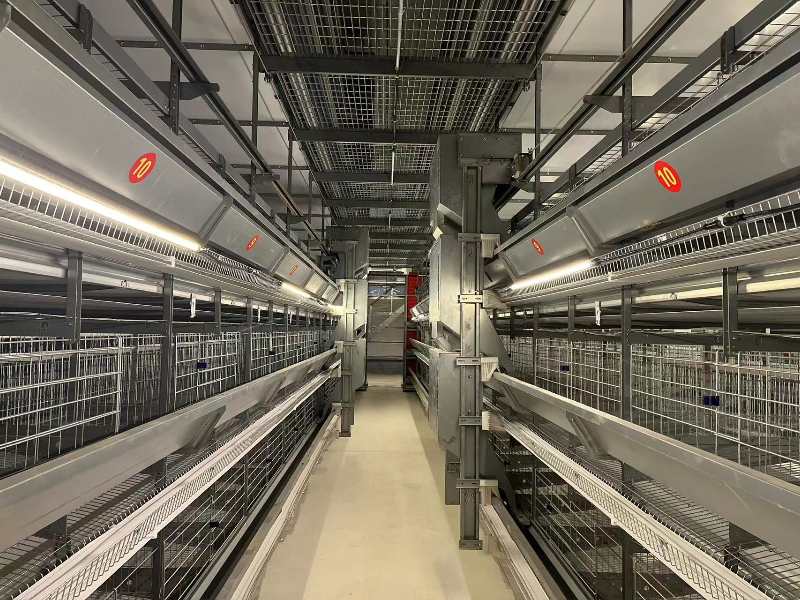
| H-Type H1200 with egg collector | H1200 is an automated layer system and a candidate for this scale. Supplier information lists an egg collector. | The project layout, power requirements and maintenance arrangements must be confirmed before selection. | At equipment selection, choose it only if the complete installed scope and operating requirements fit the budget and site. |
| H1200 with central egg collection | Supplier information also describes an egg collector option with central collection, which may suit consolidated handling. | Additional equipment, installation, power and maintenance scope depend on the proposed layout. | At automation planning, compare the added scope with handling needs and available funding. |
Request itemized feeding, drinking, manure removal, egg collection and environmental control scope for each proposal. Automation may reduce some manual tasks but add electrical, maintenance and backup requirements. Selection rule: compare total installed cost and continuing operating needs on the same basis; do not assume either cage type is cheaper. Confirm upgrade compatibility and later costs before deferring equipment.
FAQ
1. Does an equipment quote cover the whole 50000-layer farm?
Not necessarily. Compare the itemized quote with housing, utility connections, flock purchases, delivery, installation and operating reserves. Confirm inclusions and responsibilities in writing, then add excluded items without counting included work twice.
2. How should A-Type and H-Type options be compared?
Compare both against the same flock target, house conditions and automation scope. Assess installed cost, power, labour, maintenance and upgrade compatibility. Choose the configuration the site and funding plan can support rather than assuming either is cheaper.
3. What backup power should the funding plan consider?
Budget for essential equipment that must operate during an interruption. Ask the project designer and a qualified local provider to assess running loads, starting requirements, outage conditions and fuel arrangements. Include installation, fuel and maintenance costs.
4. Which costs continue after the farm starts operating?
Feed, labour, water, electricity, animal health and biosecurity are recurring costs. Separately provide for spare parts, repairs and upgrades. Estimate them using the operating plan and local supplier inputs, allowing for the timing of expected sales receipts.
5. What information should suppliers receive for comparable quotes?
Provide the Zimbabwe location, 50000-layer target, site or house dimensions, water and power conditions, desired automation and delivery destination. Request itemized equipment, delivery and installation scope, exclusions, payment terms and support. Ask for manufacturing evidence and verifiable references.
TAGs: automated poultry farming equipment cost for 50000 layers in Zimbabwe, 50000-layer farm funding, A-Type and H-Type layer cage comparison, layer cage installation costs, poultry farm operating reserves, backup power for poultry farms