
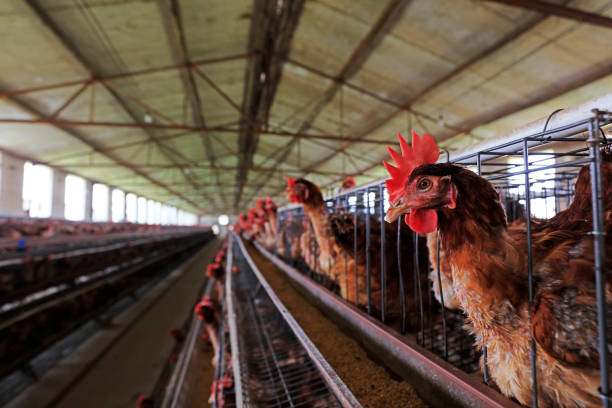
Automatic Chicken Layer Cage for 10000 Layers in Ethiopia: Layout Guide
Quick Answer: How Should an Automatic Chicken Layer Cage for 10000 Layers in Ethiopia Be Configured?
Plan an automatic chicken layer cage for 10000 layers in Ethiopia around the measured house, the supplier-confirmed capacity of the selected cage unit, and space for equipment and operators. Evaluate H1200 for its automated package, noting that its recommended scale is above 10000 birds. H180 is another candidate: this project falls within its recommended scale, and the model offers manual-to-automated choices.
Request a Layout for Your Layer Cage
Share your Ethiopia location, 10000-layer target, poultry house dimensions, water and power conditions, and automation requirements so LIVI can plan an equipment layout.
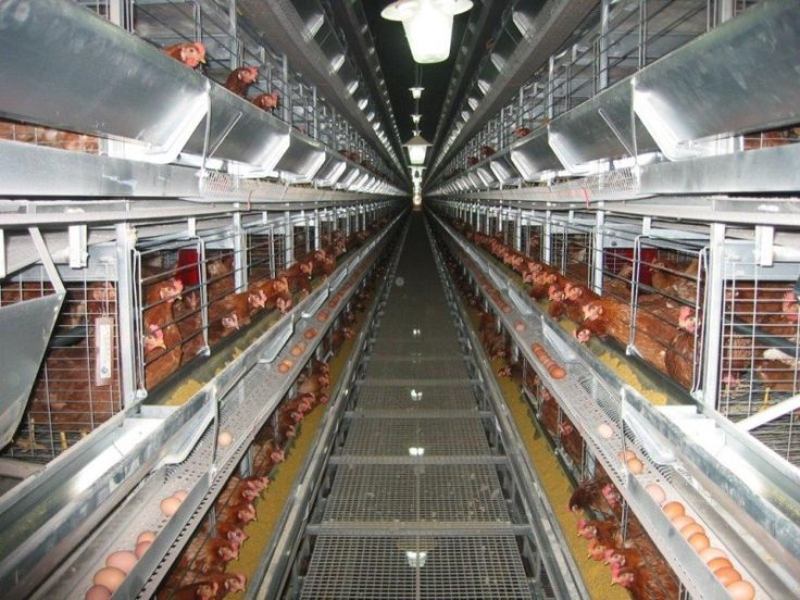
For either model, request a dimensioned layout showing rows, tiers, service access and feeding, drinking, manure removal and egg collection connections. Confirm the capacity and complete equipment footprint before accepting a quotation.
Which House Constraints Determine the Cage Layout?
Start with the house's internal length, width and usable height. Mark columns, roof obstructions, doors, floor condition and power and water entry points. Show where feed enters, eggs leave and manure is discharged. These details help determine whether a proposed row can be installed and operated, not just whether its cages fit on paper.
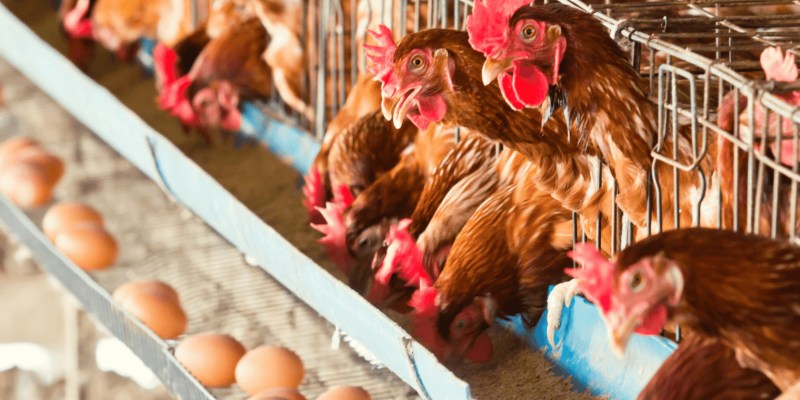
Ask the supplier for the complete assembly dimensions, including feeding equipment, drives and collection equipment at the row ends. Reserve space for aisles, inspection, cleaning, repairs and airflow. A taller tier arrangement may change access and ventilation needs even if it reduces the number of units required.
Calculate the preliminary quantity as:
Cage units = 10000 ÷ supplier-confirmed birds per complete selected unit, rounded up.
Confirm whether the quoted unit capacity already includes all tiers and sides; do not multiply it by the tier count again. Then check the whole units against the proposed row lengths and service spaces. If they do not fit, revisit the tier arrangement or house plan rather than reducing access space without review.
For example, a layout with a feeder travelling along each row needs clearance for the feeder's complete path as well as the cage structure. A different tier choice may alter the unit quantity, assembly height and operator access. Ask the supplier to show these changes on the drawing rather than comparing capacity alone.
How Do H1200 and H180 Configuration Choices Affect the Layout?
| Decision point | H1200 layer cage | H180 layer cage | Quotation check |
|---|---|---|---|
| Recommended scale | Above 10000 birds | This project falls within the recommended scale | Confirm fit for the house and operating plan. |
| Tier arrangement | Select for the proposed house | Select for the proposed house | Check usable height, access and ventilation. |
| Unit capacity | Confirm for the selected configuration | Confirm for the selected configuration | Check the unit definition and stocking basis. |
| Equipment approach | Automated standard package | Manual and automated choices | Identify the exact equipment and its interfaces. |
H1200's listed standard package includes a travelling feeder, automatic drinking, flat-belt and transverse/inclined manure removal, and an egg collection machine. Central egg collection and ventilation require configuration confirmation.
Consider H180 when its selection of manual and automated components better matches the house, staffing plan or budget. For an automated H180 proposal, identify each selected component and confirm compatibility and future upgrade interfaces. Do not assume its equipment is identical to H1200's.
Compare Your Cage Configuration and Equipment Interfaces
Send your layer house drawing, available height, utility connections and preferred automation level to discuss an H1200 or H180 equipment configuration.
For both models, ask the supplier to relate the proposed tier arrangement to the complete unit capacity and dimensions. The equipment list and drawing should describe the same configuration; a capacity figure alone does not establish that the rows will fit.
Which Equipment Interfaces and Lifetime Costs Should the Quotation Resolve?
Trace each system on the proposed drawing before comparing prices:

- Automatic Feeding: Show the feed supply connection, travelling feeder route if selected, and clearance at row ends.
- Automatic Drinking: Mark the water connection and access for flushing and leak checks.
- Automatic Manure Removal: Show how row belts transfer manure to transverse or inclined equipment and where discharge occurs.
- Automatic Egg Collection: Identify where eggs leave each row, the collection machine and any central transfer point.
Adding central egg collection may change the space needed at the row ends and the operator's egg-handling route. The supplier should check those connections before the buyer approves the row length. A manually configured H180 arrangement requires its own handling and labour plan.
Ask for a capacity schedule, equipment list and dimensioned drawing, with controls, alarms and ventilation identified as included or optional. Compare freight, installation, utility work, spare parts, warranty terms and exclusions alongside equipment price. Assess labour, electricity, water and future upgrade costs using the project's own operating assumptions.
After assembly, check alignment and connections and test each selected system before stocking. Plan routine checks of water flow, leaks, feeder operation, belt tracking and cleanliness. Isolate equipment before maintenance and follow its operating instructions.
What Must Be Confirmed for the Ethiopian Site and Delivery Route?
Provide the site's temperature and humidity conditions, house type and intended ventilation approach. Ventilation in poultry houses supports air renewal and helps manage temperature and moisture; the equipment selection must suit the actual house and site.
Prepare Your Layer Equipment Quotation Request
Provide your Ethiopia site details, 10000-layer plan, house dimensions, water and power conditions, and desired equipment scope for a tailored proposal.

Confirm available power voltage, reliability and backup arrangements, plus water source, pressure and quality. Discuss applicable permits, welfare requirements and import procedures with local authorities or advisers before finalizing the plan.
Identify the delivery destination, unloading access and available installation labour. Agree who handles inland transport, site preparation, assembly and commissioning. LIVI can provide packing lists and installation materials; confirm remote guidance, spare parts and the agreed service scope in the quotation.
FAQ
1. How much does battery cage for 10000 layers cost?
The equipment cost depends on the model, confirmed unit quantity, tiers, automation package and house-specific connections. Compare an itemized quotation with freight, installation, utility work, spare parts and exclusions to understand the investment required for the selected layout.
2. What house measurements should accompany a cage quotation?
Provide internal length, width and usable height, with column positions, doors, roof obstructions and utility entry points. Mark proposed service aisles, egg handling and manure discharge areas so the supplier can check the complete equipment footprint and access.
3. When should a 10000-layer buyer consider H180 instead of H1200?
Consider H180 when its manual-to-automated choices better match the house, operating plan and budget. The project falls within H180's recommended scale; H1200 is recommended above 10000 birds. Both require a project-specific capacity and layout check.
4. How can a buyer verify the number of cage units?
Divide 10000 by the supplier-confirmed capacity of the complete selected unit and round up. Verify the unit definition, stocking basis and tier arrangement, then check that the whole units fit into proposed rows with the necessary equipment and service space.
5. What should be checked before accepting an automated equipment layout?
Check feed and water connections, manure discharge and egg transfer points against the house drawing. Confirm utility requirements, cleaning and repair access, included controls, installation responsibilities and replacement parts. Resolve changes to the automatic chicken layer cage layout before ordering.
TAGs: automatic chicken layer cage for 10000 layers in Ethiopia, layer cage layout, H1200 layer cage, H180 layer cage, automatic egg collection, automatic manure removal