
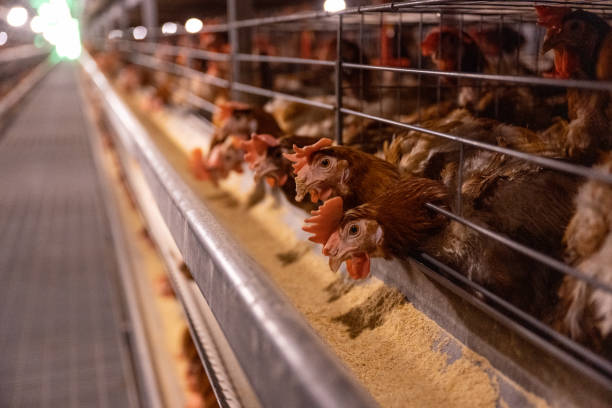
Automatic Chicken Cage System for 30000 Layers in Libya: Delivery and Installation Checklist
Quick Answer: What Must Be Ready Before Delivery and Installation?
For an automatic chicken cage system for 30000 layers in Libya, verify the proposed H1200 Layer Cage layout against measured house dimensions, flock needs and utilities. Before signing, document the equipment scope, inspection evidence, delivery and installation responsibilities, acceptance tests, costs, warranty and spare parts. H1200 is a candidate; its final configuration depends on the site and signed documents.
Plan Your 30000-Layer H1200 House Layout
Share your Libya house dimensions, layer flock plan, water and power conditions, and automation requirements to discuss an H1200 layout and equipment configuration.
Which Costs and Responsibilities Decide Whether to Sign?
A cage quotation is only part of the commitment. Reconcile the approved equipment list with freight, insurance, clearance, inland transport, unloading, site works, utilities, installation labor, engineer expenses, training and initial spares. Assign each cost to a party and identify exclusions.
For affordability, add the buyer’s assumptions for feed, labor, water, electricity, backup operation and maintenance. Compare them with the farm’s own revenue assumptions. Agree on payment milestones and what evidence triggers each payment, as well as how delays, scope changes and disputes will be handled. A lower equipment price is not necessarily a lower delivered and operating cost.
Which Libya Site Inputs Determine H1200 Readiness?
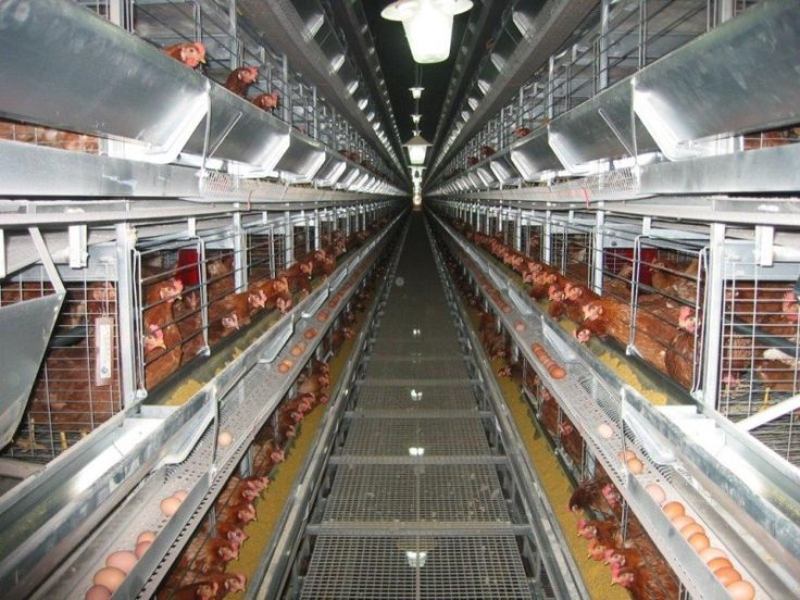
Measure house length, width and clear height, and mark columns, doors, floor condition and access routes. The proposed layout should show rows, tiers, maintenance aisles, feeder travel, egg collection and manure discharge. Confirm the layer flock stage, intended stocking, expansion plans and the calculation supporting the 30000-layer target.

Collect site-specific temperature and humidity conditions, electrical voltage, phase, frequency and supply reliability. Record water quality, pressure, flow and connection locations. The supplier and site engineer should agree on electrical protection, backup needs, water treatment and Ventilation System requirements for the selected equipment.
Assign floor preparation, drainage, utility connections and ventilation work before installation. Confirm applicable permits, electrical and animal-welfare requirements with the relevant local authorities; do not assume a standard layout establishes compliance. LIVI supports layouts and equipment configurations tailored to farm scale, house dimensions and climate.
What Must the H1200 Handover Schedule Specify?
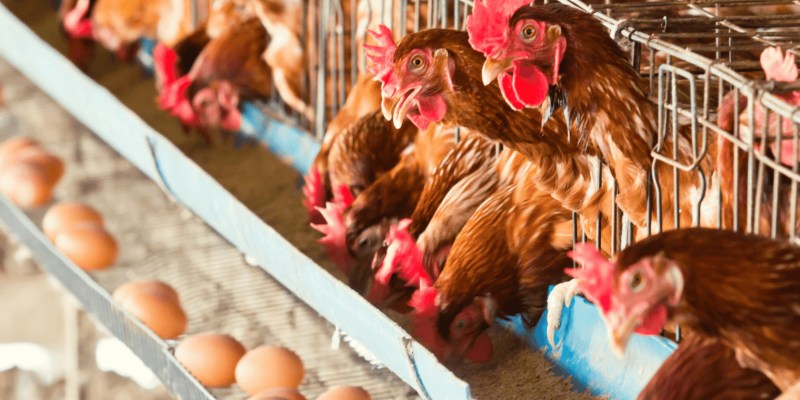
The H1200 product record lists a travelling feeder, Automatic Drinking, flat-belt and transverse or inclined manure removal, and an egg collection machine. The order must identify the actual configuration and its interfaces rather than relying on a general product description.

| Handover item | Agreement to obtain |
|---|---|
| Capacity and layout | Approved cage count, tiers, stocking calculation and drawing revision |
| Automation | Included feeding, drinking, manure removal and egg collection equipment; optional ventilation or alarms |
| Structure | Quoted materials, surface treatment, dimensions and inspection criteria |
| Utilities | Electrical loads, connection points, water requirements and Ventilation System interfaces |
Add production milestones and document approvals to the schedule. Define who may authorize revisions and how changes affect cost and timing. Do not release the order until the buyer and supplier agree on the scope and the remaining site work.
Who Controls Inspection and Delivery to the Libya Site?
Request material, coating, weld and dimensional checks, plus a pre-shipment test plan and inspection records. Agree on hold points, who witnesses inspections, and how defects are corrected before dispatch. LIVI can provide packing lists, installation materials and equipment instructions; match these to the signed equipment list and package labels.
Discuss Packing Documents for Your Libya Delivery
Provide your delivery location, equipment scope, proposed trade term and inspection requirements to discuss packing lists and the delivery arrangements for your order.
Specify the trade term and named port, route, insurance coverage and risk-transfer point. FOB and CIF allocate transport responsibilities differently; neither should be assumed to include delivery to the farm. Confirm who arranges clearance documents, duties, inland haulage, unloading and protected storage.
At each handover, identify the responsible carrier or receiving party. On arrival, count packages against the packing list, photograph damage and record shortages. Set a notification procedure and agree who arranges replacement and associated freight if a discrepancy occurs.
Who Installs, Tests and Accepts the Equipment?
Agree whether installation uses remote guidance or an on-site engineer, and specify the supervision scope. LIVI offers both forms of installation support. Assign mechanical assembly, electrical work, utility connections, tools and lifting equipment; name the party providing and paying each crew. If an engineer attends, document travel, accommodation and fees.
Discuss Installation Guidance for Your Layer Project
Send your house dimensions, utility conditions, available installation labor and preferred guidance method to discuss commissioning and training responsibilities for 30000 layers.
Before commissioning, confirm the prepared floor and available utilities against the approved documents. Test each included Feeding System, Drinking System, Manure Removal System and Egg Collection System, along with included ventilation or alarms. Written acceptance criteria should identify the test method, operating conditions and responsible signatories.
Record results and outstanding defects, correct them and retest where necessary. Train operators on safe operation and maintenance, transfer manuals, and obtain the agreed acceptance sign-off. Avoid accepting the shipment as proof that installation and system interfaces have passed their tests.
FAQ
1. How long does it take to install automatic layer cage system?
The schedule depends on the approved layout, equipment scope, site readiness, delivery sequence, crew and supervision. Agree on a project-specific program that includes utility connections, commissioning, operator training, correction of defects, retesting and acceptance—not assembly alone.
2. How many workers are needed to install poultry cage system?
Crew size depends on the layout, tools, work plan and level of supervision. Establish separate mechanical and electrical responsibilities, identify the available local workers and agree who supplies and pays them before confirming the installation schedule.
3. How is automatic poultry cage system commissioned after installation?
Commissioning tests each included system and its interfaces against written criteria using the available site utilities. Record the results, correct defects and retest where needed. Complete operator training and obtain the agreed sign-off before transferring the system to routine operation.
4. What should the warranty and spare-parts agreement cover?
It should identify covered components, the warranty start date, exclusions and the claim procedure. Assign replacement, freight and labor costs, and agree on an initial spare-parts list, ordering process and support expectations so responsibilities are clear when a fault occurs.
5. Which costs should a 30000-layer project in Libya include beyond the cage quotation?
Include freight, insurance, clearance, inland delivery, unloading, site works, utilities, installation, training and spare parts according to the agreed scope. Assess ongoing affordability using the farm’s assumptions for feed, labor, water, electricity, backup operation and maintenance.
TAGs: automatic chicken cage system, 30000 layers in Libya, H1200 Layer Cage, Layer Cage delivery, chicken cage installation workers, poultry equipment commissioning