Layer Farm Expansion: What Equipment Should You Buy First?
Quick answer: Plan a layer farm expansion against both your first-phase layout and your final target. Buy equipment for the initial operating phase, and confirm what you can retain, add, modify or replace later. In particular, check feeding, drinking, egg collection, manure removal and control interfaces before ordering.
Phased development appears in current poultry investment plans. For example, Ekstreme Poultry describes its Poultry City project in Kenya as a phased development with a final design target of 300,000 layers. The company distinguishes this target from current production. This is an external planning example, not a LIVI installation. Read the project owner’s description.
How should you plan equipment for a layer farm expansion?
Prepare separate layouts for the initial phase and final development before selecting equipment. Then match each purchase to the house dimensions, bird stage and operating tasks. Consequently, the quotation can distinguish current requirements from future additions.
First, record usable house length, width and height, including columns, doors and maintenance access. Next, mark feed delivery, egg handling and manure discharge routes. Also state whether you will purchase pullets or rear chicks on site, because the rearing and transfer schedule affects the overall plan.
For example, a 50,000-layer planning target could involve an initial 20,000-bird phase and a later 30,000-bird addition. These are illustrative figures, not a LIVI project or confirmed equipment capacity. An engineer must check the actual models, stocking requirements, buildings and utilities.
Which poultry equipment can you retain when capacity increases?
Retain equipment only where its condition, capacity and connections remain suitable for the new duty. Therefore, request model-specific confirmation for every system. Similar appearance or nominal bird capacity does not establish compatibility.
| System | What to confirm |
|---|---|
| Layer cages | Models, layouts and whether you retain, add, modify or replace each item. |
| Feeding and drinking | Independent or shared supplies, connection points and additional equipment. |
| Egg collection | Conveyor arrangement, transfer points and the proposed operating duty. |
| Manure removal | Discharge routes and responsibility for downstream handling. |
| Power and controls | Updated loads, control functions and compatibility conditions. |
In addition, request an installation sequence for work near operating houses. Identify required interruptions and who will coordinate them. As a result, you can assess expansion work as an operating decision as well as an equipment purchase.
How can LIVI equipment and services support phased planning?
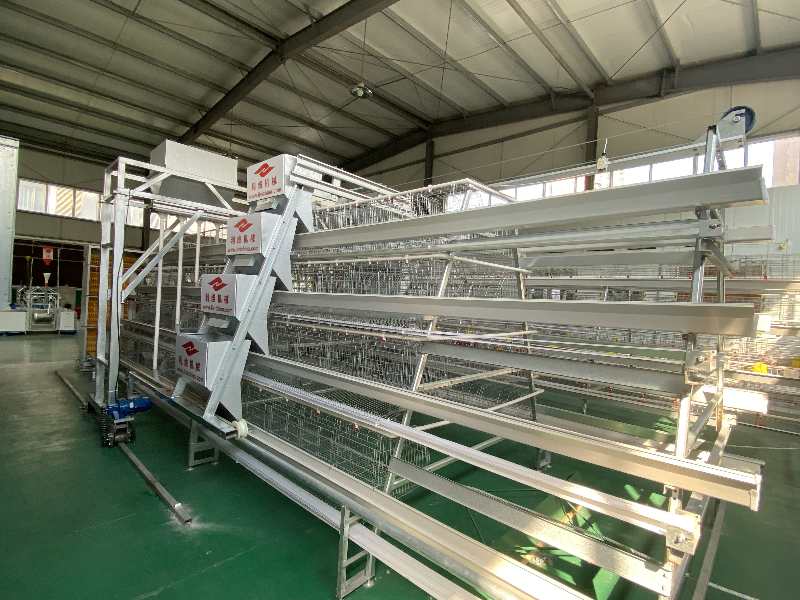
LIVI offers layer cages and associated feeding, drinking, egg collection, manure removal and control equipment. Its published service scope includes poultry-house design, manufacturing, shipping, installation guidance and after-sales technical support. Together, these categories provide a starting point for discussing each phase’s equipment and delivery requirements.
For example, the LIVI A-type layer cage product page separates basic cage components from optional automation. This helps buyers clarify quotation inclusions. However, the project proposal must identify the selected model and actual automation scope.
For automatic feeding, define how feed reaches each row. Similarly, for egg collection, define the transfer route to the collection point. For manure removal, identify the discharge destination. These details connect each product to a practical operating task.
Send your country, existing equipment models, house dimensions and target flock size.
Request a Phased LIVI Equipment ProposalWhat should a phased poultry equipment quotation include?
Separate the current order, future additions and modification work. In addition, identify transport, installation and commissioning responsibilities. This structure allows like-for-like scope comparisons and helps avoid counting expenses twice.
First, request a bill of materials, meaning an itemised equipment list, linked to a dated drawing. Next, separate current prices from future budget allowances. Finally, record exclusions and assumptions that would change the proposal.
- Current supply: models, quantities, automation and accessories.
- Future supply: additions and compatibility conditions.
- Modification: items to alter or replace, with reasons.
- Delivery: packing, shipping, unloading and local transport.
- Installation: local labour, supplier guidance, utilities and commissioning.
- After-sales: written warranty, spare parts and support arrangements.
For example, installation guidance may leave local installation labour to the buyer. Clarify that distinction before comparing totals. Likewise, ask whether the price covers connecting new equipment to existing systems or only supplying new components.
What else should buyers confirm before expanding?
Confirm the consequences of changing suppliers, revising the flock target and adding automation before the next purchase. These decisions can change equipment requirements even when the original cages remain in use.
Can you change suppliers for the next phase?
Possibly, but obtain a compatibility review first. Provide models, drawings and connection details. In particular, confirm responsibility for interfaces between existing and new systems.
Can you add automatic egg collection later?
Only if the existing cage arrangement and proposed system support conversion. Therefore, request a model-specific assessment of transfer points, space, drives and controls. An optional feature does not apply to every installed cage.
What if the final flock target changes?
Revise the layout and shared-system requirements before ordering. Then confirm which earlier assumptions remain valid. A changed target can affect infrastructure even if phase one continues operating.
List your current and target bird numbers, dimensions, existing models and preferred schedule. Ask the proposal to identify what you retain, add and modify.
Discuss Your Layer Farm Expansion with LIVISources: Ekstreme project description; LIVI product and service information. Reviewed 26 November 2026. Planning examples require project-specific engineering review.